US, Saudis attack Iran-backed groups in Iraq, threatening to intensify conflict
The US and Saudi Arabia launched strikes on Iran-backed groups in Iraq, saying they were responsible for drone attacks on Saudi oil facilities, prompting Iran to warn that blaming it for such attacks was a 'major miscalculation'.
Intelligence analysis by Llama
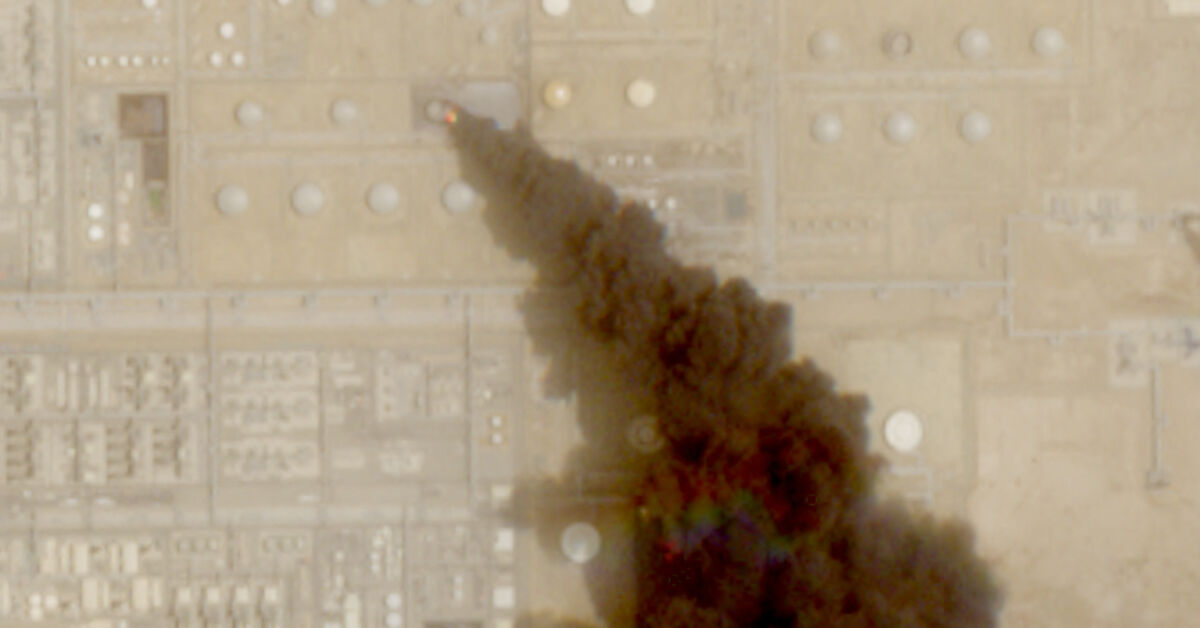
The US and Saudi Arabia launched strikes on Iran-backed groups in Iraq, saying they were responsible for drone attacks on Saudi oil facilities, prompting Iran to warn that blaming it for such attacks was a 'major miscalculation'.
Imagine a big game of chess between the US, Saudi Arabia, and Iran. The US and Saudi Arabia just made a big move by attacking Iran-backed groups in Iraq, which has made Iran very angry. Iran is warning the US and Saudi Arabia that blaming it for attacks on their oil facilities is a big mistake. This game of chess is very important because it can affect the price of oil and the stability of the region.
Analysis
A New Escalation in the Middle East Conflict
The recent strikes by the US and Saudi Arabia on Iran-backed groups in Iraq have marked a new escalation in the ongoing conflict in the Middle East. The strikes, which were carried out in response to drone attacks on Saudi oil facilities, have been met with a warning from Iran that blaming it for such attacks was a 'major miscalculation'.
This development has significant implications for the region, particularly in terms of the potential for further escalation and the impact on global oil prices. The conflict in the Middle East has been ongoing for several years, with various parties involved, including the US, Saudi Arabia, Iran, and other regional actors. The recent strikes and Iran's warning have raised concerns about the potential for further conflict and the impact on regional stability.
The Role of the Strait of Hormuz
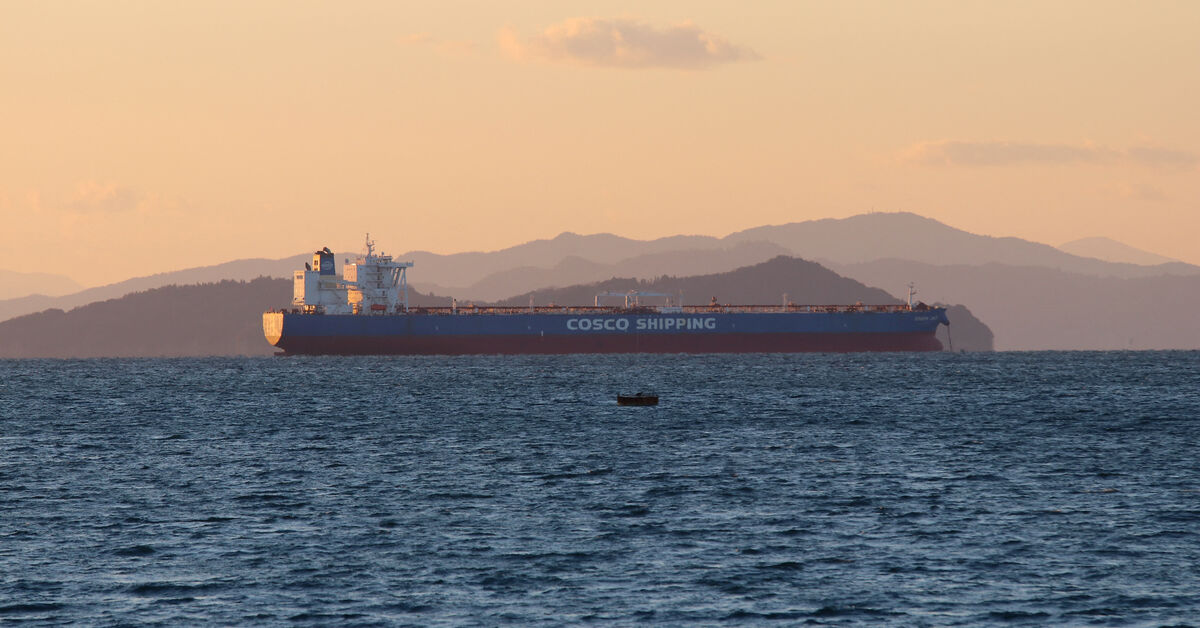
The conflict in the Middle East is also closely tied to the strategic waterway of the Strait of Hormuz, which is a critical chokepoint for global oil supplies. The strait is located between Iran and Oman and is a key route for oil tankers traveling from the Persian Gulf to global markets. The conflict in the region has raised concerns about the potential for disruptions to oil supplies and the impact on global oil prices.
The Omani Proposal
In an effort to resolve the conflict over the Strait of Hormuz, Oman has presented Iran with a plan backed by Gulf states to manage the waterway. The proposal, which includes collecting voluntary fees from ships, has been met with skepticism by the US, which has rejected the idea of tolls or fees for ships transiting the strait. The US has maintained that the Strait of Hormuz is an international waterway that should be free of Iranian control or restrictions.
The Implications of the Conflict
The conflict in the Middle East has significant implications for global oil prices and regional stability. The recent strikes and Iran's warning have raised concerns about the potential for further escalation and the impact on regional stability. The conflict is also closely tied to the strategic waterway of the Strait of Hormuz, which is a critical chokepoint for global oil supplies. The Omani proposal to manage the waterway has been met with skepticism by the US, which has rejected the idea of tolls or fees for ships transiting the strait.
Key points
- The US and Saudi Arabia launched strikes on Iran-backed groups in Iraq, saying they were responsible for drone attacks on Saudi oil facilities.
- Iran warned that blaming it for such attacks was a 'major miscalculation'.
- The conflict in the Middle East has significant implications for global oil prices and regional stability.
- The Omani proposal to manage the Strait of Hormuz has been met with skepticism by the US.
- The conflict is closely tied to the strategic waterway of the Strait of Hormuz, which is a critical chokepoint for global oil supplies.
The recent strikes by the US and Saudi Arabia on Iran-backed groups in Iraq may lead to a de-escalation of the conflict in the Middle East, as both sides may be looking for a way to resolve the issue without further escalation. Additionally, the Omani proposal to manage the Strait of Hormuz may provide a framework for resolving the conflict and ensuring the free flow of oil through the waterway.
The conflict in the Middle East may escalate further, leading to a significant increase in global oil prices and a destabilization of the region. The recent strikes by the US and Saudi Arabia on Iran-backed groups in Iraq may have been met with a warning from Iran, but it may not be enough to prevent further escalation. The conflict is closely tied to the strategic waterway of the Strait of Hormuz, which is a critical chokepoint for global oil supplies.