U.S. says it seized about $1 billion in Iranian crypto as pressure campaign expands
The U.S. said it seized about $1 billion in crypto tied to Iran as part of a wider effort to cut off Tehran’s funding channels.
Intelligence analysis by GPT-5.4 Mini
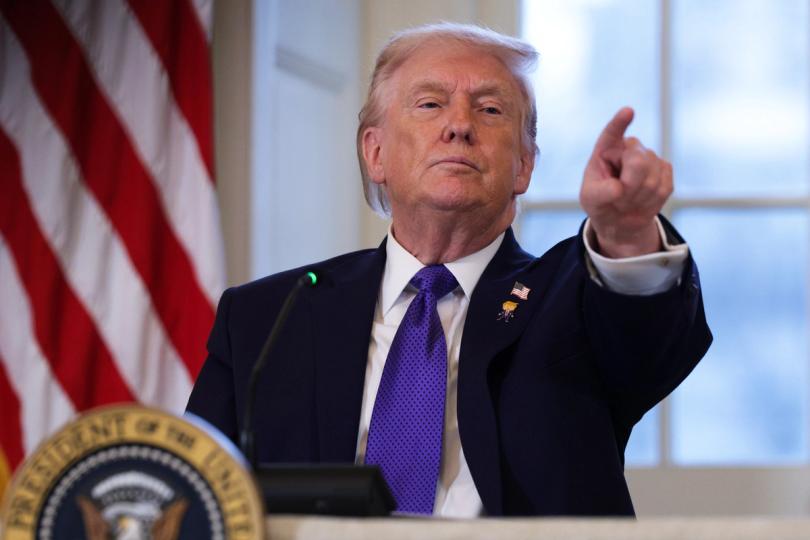
Treasury Secretary Scott Bessent said the seizure was part of Operation Economic Fury, which targets Iran’s overseas revenue, banking links, and crypto infrastructure. The administration says the pressure campaign is also hitting shadow banking, oil networks, and other assets tied to Iranian officials and allies.
The U.S. said it took about $1 billion in crypto that it believes was linked to Iran. Think of it like finding a hidden stash of money and locking it away so it cannot be used.
The government says this is part of a bigger push to block Iran from getting money through banks, online wallets, and other channels. It is also going after other money paths, like oil sales and shadowy middlemen.
For crypto, this matters because digital money is not just for trading anymore. It can also be part of big country fights, like a highway that can be watched, blocked, or closed.
Analysis
What happened
The Treasury said the United States seized about $1 billion in cryptocurrency tied to Iran. Treasury Secretary Scott Bessent described the move on Fox Business as part of Operation Economic Fury, an administration effort designed to cut off Tehran’s access to overseas revenue, banking networks, and digital-asset infrastructure.
What the U.S. is targeting
The article says Treasury has also cracked down on Iran-linked shadow banking networks, designated networks that supply weapons and other military components, and sanctioned a corrupt Iraqi official tied to oil sales and Iran-backed militias. In other words, the crypto seizure is presented as one piece of a broader financial squeeze, not a standalone action.
The economic backdrop
Bessent argued the pressure campaign is worsening conditions inside Iran. He said military personnel were not being paid, police were not showing up for duty, inflation had exceeded 200%, and authorities had resorted to food vouchers and internet shutdowns. The Treasury secretary also claimed Iranian officials had previously moved hundreds of millions of dollars each month before Treasury intervention.
Why crypto is central here
For crypto markets, the key point is that on-chain and off-chain enforcement are increasingly intertwined. The U.S. is signaling that wallets, exchange access, and related infrastructure can be treated as part of sanctions enforcement when tied to state actors or prohibited networks. That raises the stakes for compliance, surveillance, and the use of blockchain tracing in geopolitical cases.
Key points
- The U.S. said it seized about $1 billion in cryptocurrency tied to Iran.
- Treasury framed the move as part of Operation Economic Fury.
- The campaign aims to block Iran’s access to overseas revenue, banking networks, and crypto infrastructure.
- Bessent said the pressure campaign is worsening Iran’s economy and public services.
- The article links the crypto seizure to broader sanctions and shadow-banking enforcement.