US says it will impose 'toughest sanctions in history' on Iran
The US plans to impose 'the toughest sanctions in history' on Iran, according to Treasury chief Scott Bessent. The move aims to force an end to a nearly six-month-old war that has stranded millions of barrels of Middle Eastern oil. Oil prices rose to more than a three-wee…
Intelligence analysis by Llama
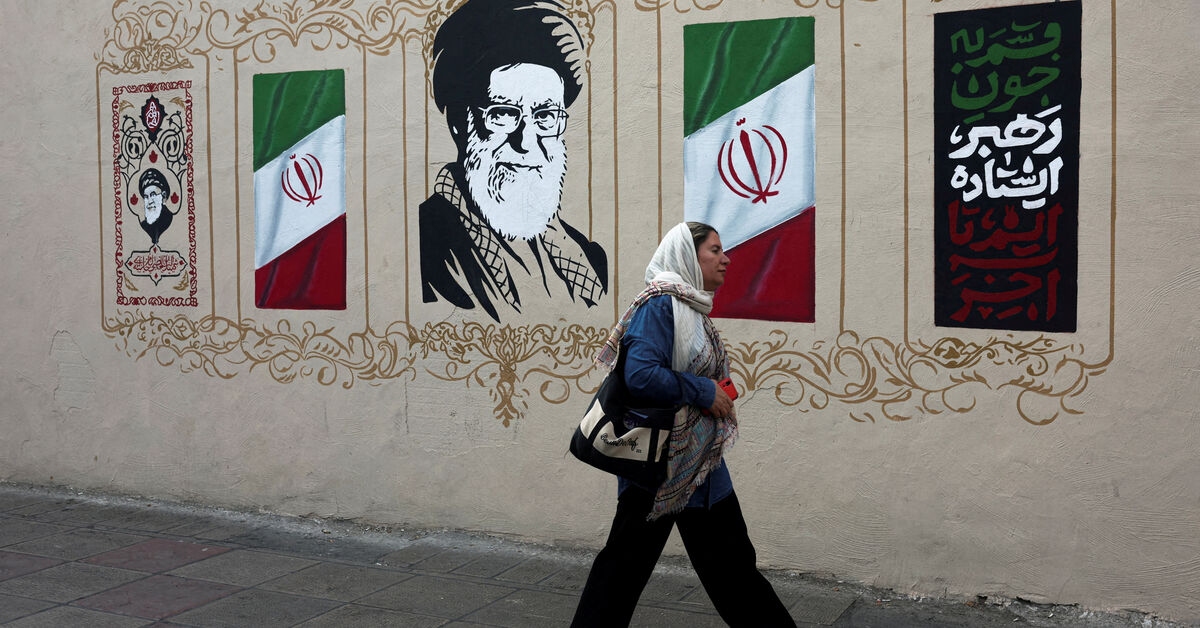
The US plans to impose 'the toughest sanctions in history' on Iran, aiming to force an end to a nearly six-month-old war that has stranded millions of barrels of Middle Eastern oil. Oil prices rose to more than a three-week high on Thursday following the US threats of financial penalties.
Imagine the US is trying to stop Iran from getting oil from other countries. The US is like a referee, and it's saying, 'Hey, you can't play with Iran if you want to play with us.' This is because Iran has been in a war for a long time, and the US wants to stop it. The US is also trying to stop other countries from helping Iran, like China. It's like a big game of 'don't help Iran'!
Analysis
Background
The US has imposed near-continuous economic sanctions on Iran for nearly 50 years, since the Islamic Revolution of 1979. These sanctions have been a key tool in the US's efforts to pressure Iran to change its behavior, particularly with regards to its nuclear program.
What Changed
The US Treasury chief, Scott Bessent, announced on Thursday that the US will impose 'the toughest sanctions in history' on Iran. This move is aimed at forcing an end to a nearly six-month-old war that has stranded millions of barrels of Middle Eastern oil. The sanctions are expected to have a significant impact on Iran's economy, particularly in the energy sector.
What's Next
The US has already imposed a naval blockade on Iran, which has been paused for a month in mid-June. The new sanctions are expected to be even more severe, with Bessent promising details next week. The move has significant implications for the global economy, particularly for countries that trade with Iran, such as China. The US is also urging China to cooperate with the sanctions, warning that any country that provides a 'lifeline' to Iran will face 'tremendous economic consequences'.
Key points
- The US plans to impose 'the toughest sanctions in history' on Iran.
- The sanctions are aimed at forcing an end to a nearly six-month-old war that has stranded millions of barrels of Middle Eastern oil.
- The US has already imposed a naval blockade on Iran, which has been paused for a month in mid-June.
- The US is urging China to cooperate with the sanctions, warning that any country that provides a 'lifeline' to Iran will face 'tremendous economic consequences'.
- The sanctions could lead to a reduction in tensions in the region and a decrease in the number of people killed in the conflict.
If the US sanctions on Iran are successful, it could lead to a reduction in tensions in the region and a decrease in the number of people killed in the conflict. Additionally, the sanctions could also lead to a decrease in the price of oil, which would be beneficial for the global economy.
The US sanctions on Iran could lead to a worsening of the humanitarian crisis in the region, with more people being displaced and killed. Additionally, the sanctions could also lead to a decrease in the global supply of oil, which would drive up prices and have a negative impact on the global economy.