US Shakes Up Currency Markets with Talk of Unusual Yen-Buying via Selling Euros
The US Treasury Department has intervened in currency markets by buying yen for euros, a highly unusual move that aims to help Japan strengthen its currency without weakening the dollar. This action has caused a stir in global currency markets, with the yen recovering fro…
Intelligence analysis by Llama
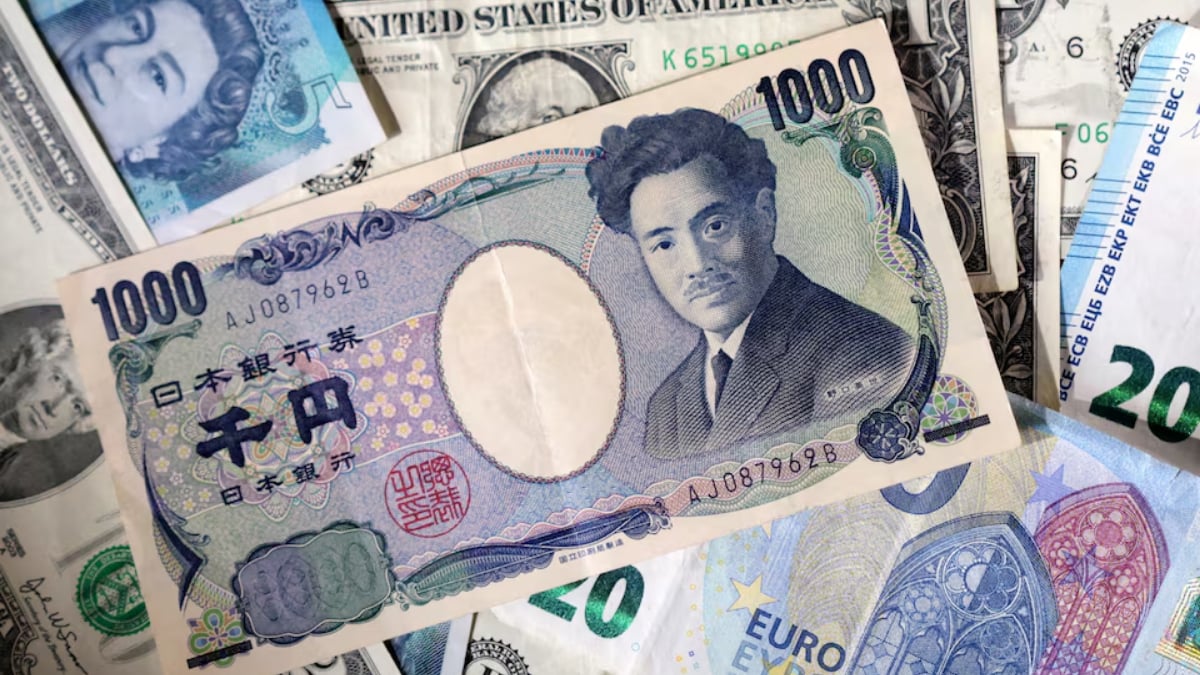
The US Treasury's decision to buy yen for euros is a rare co-ordinated action with Japan to prop up the weak yen. This move aims to help Japan strengthen its currency without weakening the dollar, which could have implications for inflation and interest rates in the US.
Imagine you're playing a game where you can trade dollars for yen or euros. The US Treasury is like a player who is buying yen for euros, which is a very unusual move. This move is trying to help Japan strengthen its currency without weakening the dollar, which could have implications for inflation and interest rates in the US.
Analysis
A Rare Co-ordinated Action
The US Treasury Department's decision to buy yen for euros is a highly unusual move that aims to help Japan strengthen its currency. This action is a rare co-ordinated effort between the US and Japan to prop up the weak yen. The move is seen as a way to help Japan without weakening the dollar, which could have implications for inflation and interest rates in the US.
Why the US is Selling Euros
The US Treasury's decision to sell euros for yen is a significant move that has caused a stir in global currency markets. The euro has fallen from as high as 187.4 yen on Thursday to dip briefly below 180 on Monday, an over 4% move. This move is likely to have implications for the euro and the dollar, with some analysts suggesting that it could lead to a stronger yen and a weaker euro.
What it Means for the Yen
The yen has recovered from 40-year lows near 164 and strengthened almost 4% last week, its biggest weekly jump in two years. The choice of intervention currency by the US Treasury avoids signaling a desire for broad-based dollar weakness, in our view, keeping the operation a yen-only affair. The next question is what it means for the yen, and whether central banks are coordinating more broadly.
Key points
- The US Treasury Department has intervened in currency markets by buying yen for euros.
- This move aims to help Japan strengthen its currency without weakening the dollar.
- The yen has recovered from 40-year lows near 164 and strengthened almost 4% last week.
- The euro has fallen from as high as 187.4 yen on Thursday to dip briefly below 180 on Monday.
- The US Treasury's decision to sell euros for yen is a significant move that has caused a stir in global currency markets.
If this development plays out positively, it could lead to a stronger yen and a weaker euro, which could have implications for inflation and interest rates in the US. This move could also lead to a more stable global currency market, with the US and Japan working together to prop up the weak yen.
However, if this development fails to deliver, it could lead to a weaker yen and a stronger euro, which could have implications for inflation and interest rates in the US. This move could also lead to a more volatile global currency market, with the US and Japan struggling to coordinate their efforts.
Market signals
- XAU Escalation drives safe-haven demand for gold, per the article's framing of investor reaction.
- OIL Supply-route risk from the reported conflict pushes oil prices higher.
AI-generated analysis of potential market relevance. Not financial advice.