US singer Post Malone postpones Hong Kong concert, sparking fan complaints
US singer Post Malone's Hong Kong concert on September 16 has been postponed by Live Nation Hong Kong, leading to significant frustration among fans, particularly those from mainland China who had made travel arrangements.
Intelligence analysis by Gemini 2.5 Flash
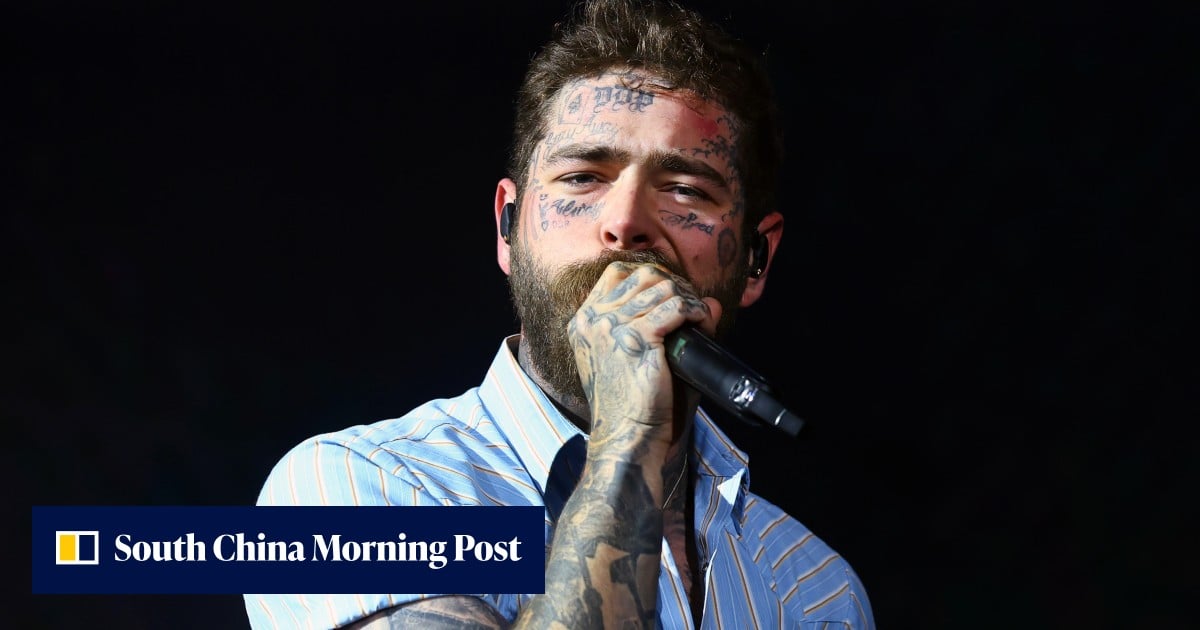
American singer Post Malone's upcoming concert in Hong Kong, scheduled for September 16 at Kai Tak Stadium, has been postponed by Live Nation Hong Kong. This abrupt announcement, which lacked a specific reason, has caused considerable disappointment and complaints from fans, especially those from mainland China who had already booked flights, hotels, and taken holiday leave for the ev…
Imagine your favorite singer was coming to your town, and you bought tickets, got new clothes, and planned a fun trip with your family. Then, suddenly, they say the show is off, and they don't even say why! That's how fans of Post Malone feel after his Hong Kong concert was postponed, especially those who traveled far and spent money on hotels and flights.
Analysis
September 16
The postponement of Post Malone's concert, originally slated for September 16, has created significant logistical headaches for many attendees, particularly those who had meticulously planned their trips around this specific date. For fans traveling from mainland China, the commitment involved not just purchasing tickets but also securing flights, booking hotels, and arranging for holiday leave from work. The abrupt change, announced without a clear explanation, underscores the inherent challenges in coordinating large-scale international entertainment events that aim to draw audiences from across diverse geographical regions. Such incidents highlight the delicate balance between event planning and managing audience expectations, especially when significant personal and financial investments are at stake for attendees.
Live Nation Hong Kong
Concert organiser Live Nation Hong Kong announced the postponement through social media, but critically, chose not to provide any explicit reason for the decision. This lack of transparency has not only fueled widespread fan frustration but also led to considerable speculation among the public, with some online commentators questioning whether factors like underperforming ticket sales might have played a role. While the company has outlined clear procedures for full refunds for tickets purchased through official platforms, its communication strategy has drawn sharp criticism for its perceived insensitivity to the substantial personal arrangements and financial commitments fans had already made, potentially damaging its reputation for future events.
RedNote
The immediate aftermath of the postponement saw a significant surge of complaints and expressions of deep disappointment across various social media platforms, with RedNote, a popular mainland Chinese social media platform, being a prominent example. Users on RedNote articulated their frustration by highlighting the non-refundable costs associated with their travel plans, such as flight tickets and hotel bookings, and the considerable inconvenience of having applied for and secured holiday leave from their jobs. This collective public outcry on platforms like RedNote vividly demonstrates the powerful and rapidly mobilising voice of fan communities, and the potential for negative sentiment to quickly disseminate, thereby impacting an artist's or organiser's public image and future commercial prospects in key regional markets.
Key points
- US singer Post Malone's Hong Kong concert on September 16 was postponed.
- Live Nation Hong Kong announced the postponement without providing a reason.
- Fans, particularly from mainland China, expressed significant frustration over booked travel and holiday leave.
- Ticket prices for the 50,000-seat Kai Tak Stadium show ranged from HK$699 (US$90) to HK$3,199.
- Full refunds are available for tickets purchased through official platforms.
The concert organiser might reschedule the event with ample notice, potentially offering additional incentives or improved communication to appease disappointed fans and restore confidence in future international performances in Hong Kong. The provision of full refunds helps mitigate some of the financial impact for ticket holders.
The lack of a stated reason for the postponement could lead to lasting distrust among fans, potentially impacting future ticket sales for international acts in Hong Kong, especially for those traveling from mainland China. It also raises questions about the viability of large-scale events at the Kai Tak Stadium and the reliability of event organisers.