Why climate extremes will not stop expansion of China’s nuclear power industry
China's nuclear power expansion is unlikely to be derailed by extreme weather, unlike Europe, due to its coastal plant locations and use of seawater for cooling, according to an industry expert.
Intelligence analysis by Gemini 2.5 Flash
While extreme weather events like heatwaves and droughts have disrupted nuclear power generation in Europe, forcing reactor shutdowns, China's rapidly expanding nuclear sector is positioned to withstand such challenges. This resilience is primarily attributed to its strategy of building plants along the coast, utilizing open seawater for cooling, which makes them less vulnerable to ri…
Imagine big power factories that use water to cool down. In some places like Europe, these factories are next to rivers, and when it gets super hot and dry, the rivers get too low or warm, so the factories have to stop. But China builds its factories right by the ocean, using the huge amount of cool seawater, so they don't have the same problem with hot weather.
Analysis
China's ambitious nuclear power expansion is proceeding with a strategic design that aims to circumvent the climate-related vulnerabilities currently plaguing European reactors. Unlike many European facilities, which are predominantly situated along rivers and thus susceptible to fluctuations in water levels and temperatures, China has opted for coastal locations for its nuclear power plants. This fundamental difference in siting strategy is a critical factor in the industry's confidence regarding its resilience against increasingly severe weather events.
Europe's Reactors
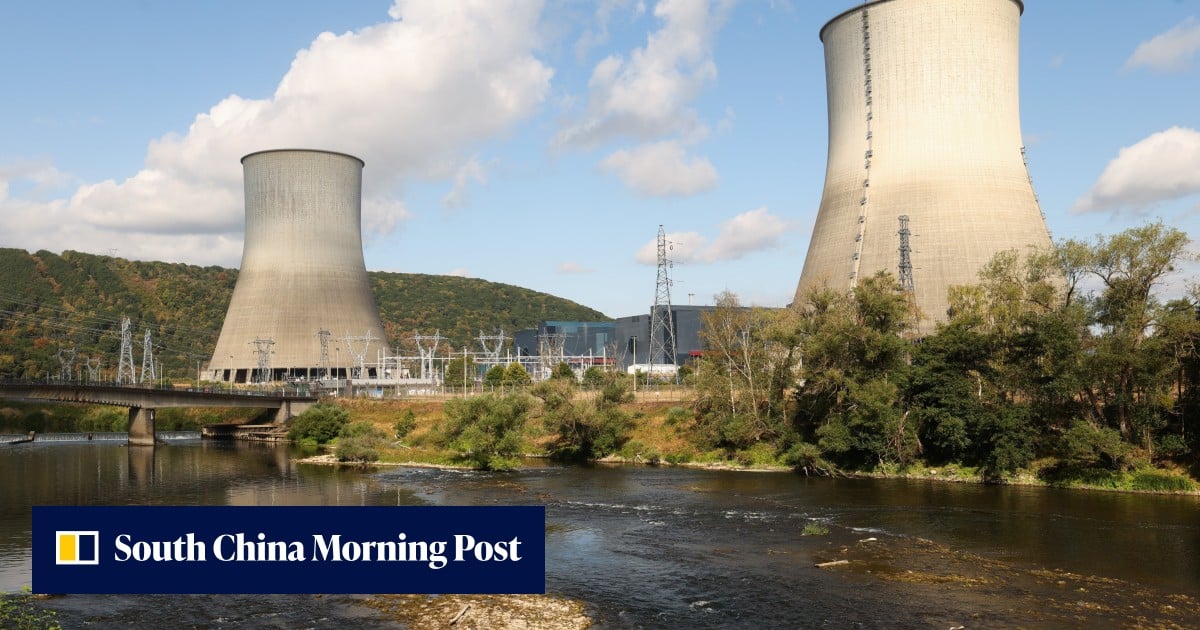
The summer's unusually hot and dry conditions have significantly disrupted nuclear power generation across Europe, forcing numerous units to shut down. Countries like France and Romania have experienced reactor outages due to critically low river levels and elevated water temperatures, which are essential for cooling the nuclear facilities. France, in particular, faced a record shortfall of over 20 per cent in its nuclear-based capacity, with additional challenges posed by an invasion of jellyfish, as reported by Le Monde. These incidents underscore the inherent fragility of river-dependent cooling systems in the face of escalating climate extremes.
Francois Morin
According to Francois Morin, China director of the World Nuclear Association, China's coastal strategy provides a distinct advantage. By utilizing open seawater for cooling, Chinese reactors are inherently less vulnerable to the droughts and heatwaves that have impacted their European counterparts. Morin also noted that while coastal areas face threats from storms and rising sea levels, China possesses a robust understanding of typhoons, suggesting these do not pose a serious threat to its nuclear infrastructure. This expert perspective reinforces the idea that China's planning incorporates specific regional climate challenges.
70 per cent
The challenges faced by France, where nuclear power accounts for approximately 70 per cent of its electricity generation, serve as a stark illustration of the potential impact of climate extremes on energy security. A record shortfall of over 20 per cent in France's nuclear capacity due to climate-related issues highlights the critical need for resilient energy infrastructure. China's proactive approach, by contrast, aims to safeguard its rapidly expanding nuclear sector from similar disruptions, ensuring a more stable and predictable energy supply as it continues to grow its nuclear fleet and reduce reliance on fossil fuels. This strategic foresight is crucial for maintaining economic stability and achieving long-term environmental goals.
Key points
- Extreme weather has disrupted nuclear power in Europe, forcing reactor shutdowns.
- China's nuclear power plants are primarily built along the coast, using open seawater for cooling.
- This coastal strategy makes Chinese reactors less vulnerable to droughts and heatwaves compared to river-based European plants.
- An industry expert, Francois Morin, believes typhoons do not pose a serious threat to China's nuclear reactors due to good understanding.
- France experienced a record shortfall in nuclear capacity due to drought, heat, and jellyfish.
China's strategic coastal placement of nuclear power plants, leveraging abundant seawater for cooling, suggests a robust and resilient energy future less susceptible to climate-induced disruptions seen elsewhere. This approach could ensure stable power supply and continued progress towards its energy goals despite increasing climate extremes.
While coastal locations mitigate some risks, they introduce others, such as vulnerability to severe storms, tsunamis, and rising sea levels, which could still pose significant threats to infrastructure and operations in the long term. Over-reliance on a single cooling strategy might overlook other potential climate impacts.