US strikes Iranian radar sites after drone shootdown in Strait of Hormuz
The US says it struck Iranian radar sites after shooting down four drones near the Strait of Hormuz, escalating tensions in the war.
Intelligence analysis by GPT-5.4 Mini
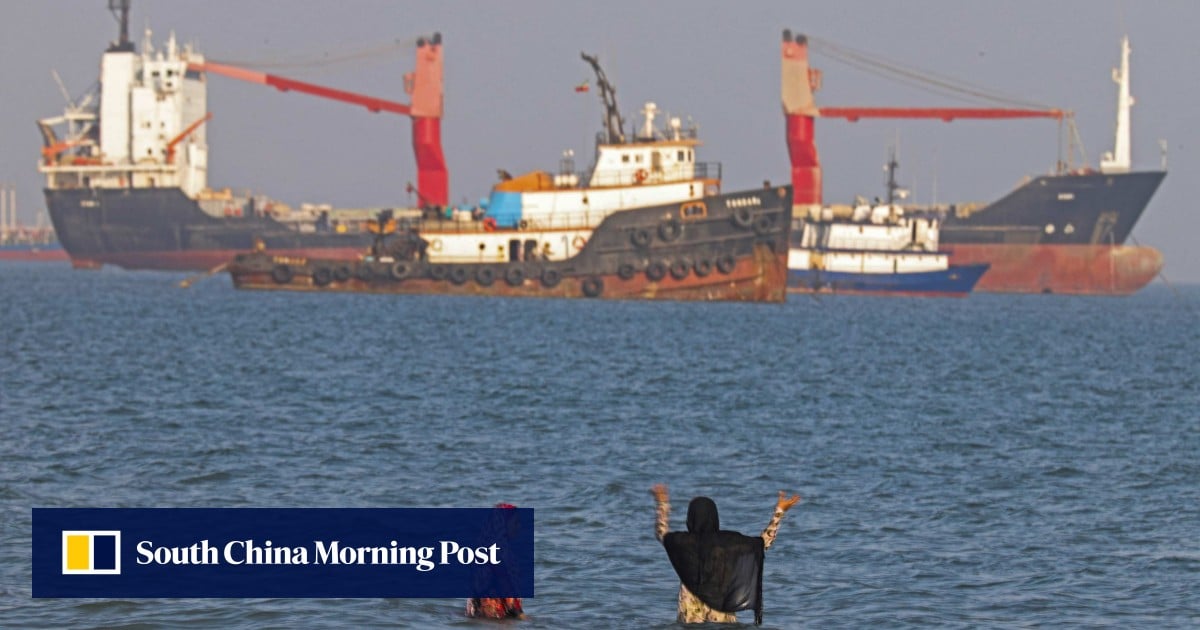
US forces hit Iranian surveillance sites on Goruk and Qeshm Island after intercepting drones the military said posed an immediate threat to maritime traffic. The move adds pressure to shaky indirect talks over the war and raises the risk of further disruption around a critical oil route.
The US and Iran are throwing punches near a very important sea road where lots of oil ships travel. The US says it hit radar stations after stopping drones, like closing a door after hearing someone trying to break in.
Analysis
What happened
The US military said it shot down four Iranian drones that were launched toward the Strait of Hormuz and believed to be aimed at regional maritime traffic. It then struck Iranian surveillance sites in Goruk and on Qeshm Island, both located on the strait, to prevent further attacks.
Why it matters
The Strait of Hormuz is one of the world’s most important shipping lanes. The article says Iran has effectively blocked the strait, and before the war about a fifth of the world’s oil passed through it. That makes even limited military exchanges a potential threat to energy flows, shipping insurance costs, and wider market stability.
Diplomatic backdrop
The strikes come while the US and Iran are still engaged in largely indirect talks on an interim deal to pause the three-month-old war. According to the article, Tehran wants access to oil revenue, sanctions relief, a lifting of the US blockade on its ports, and leverage over the strait. That suggests the military clash and the diplomacy are moving in opposite directions.
What the article supports
The reporting does not say whether the drones hit anything or whether the strikes changed Iran’s posture. It does show a clear cycle of action and response: drone launches, US interception, and then US strikes on radar sites. That pattern points to a conflict that is still fluid and capable of widening quickly if maritime traffic is targeted again.
Key points
- The US said it shot down four Iranian drones headed toward the Strait of Hormuz.
- US forces then struck radar and surveillance sites in Goruk and on Qeshm Island.
- The military said the drones posed an immediate threat to regional maritime traffic.
- The strikes come as the US and Iran continue indirect talks on an interim war deal.
- The Strait of Hormuz remains a major oil chokepoint, so disruptions there matter globally.
The strikes could deepen the conflict and invite more drone launches or attacks near the Strait of Hormuz. If shipping is threatened again, the risk to oil flows and maritime traffic could grow quickly, making the wider war harder to contain.