US supreme court backs FCC in clash with wireless carriers over fines
The Supreme Court upheld the FCC’s power to fine wireless carriers in-house, rejecting AT&T and Verizon’s jury-trial challenge.
Intelligence analysis by GPT-5.4 Mini
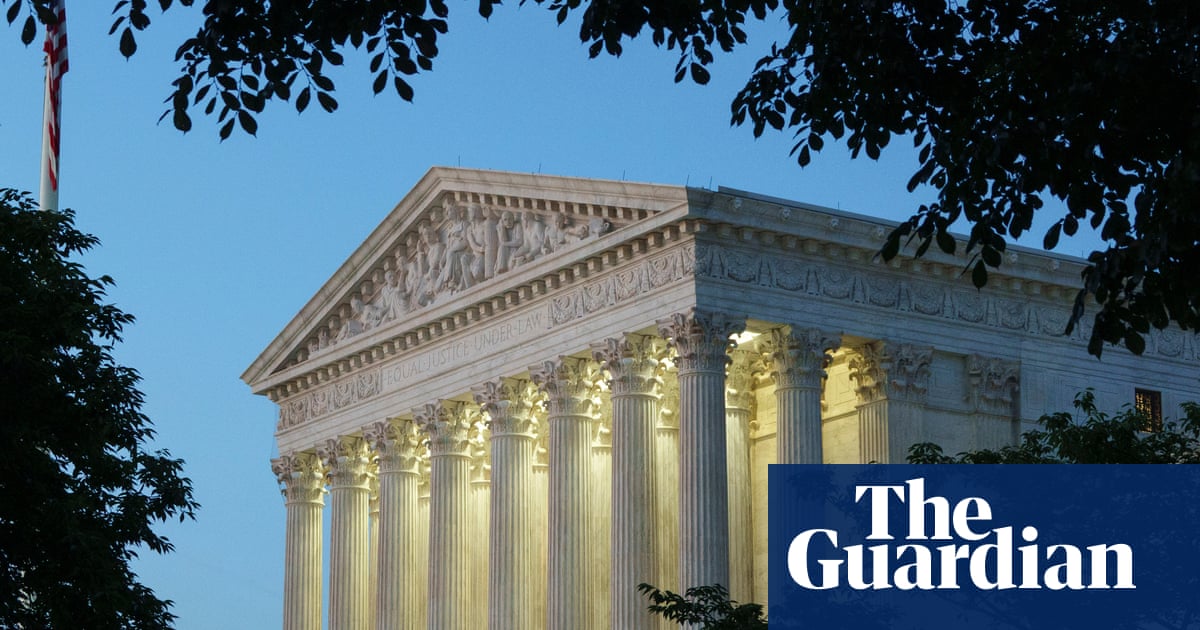
In an 8-1 ruling, the court said the FCC can keep using its internal penalty process, even after the carriers argued it should go before a jury. The case stemmed from fines over the sale of customer location data.
The Supreme Court said the FCC can still use its own office process to fine phone companies, instead of sending every case straight to a jury. It is like a school being allowed to give a detention first, while the student can still later ask a judge to review it.
Analysis
What the court decided
The Supreme Court ruled 8-1 for the Federal Communications Commission in its dispute with AT&T and Verizon. Chief Justice John Roberts wrote the opinion, and Justice Clarence Thomas was the lone dissenter.
The central question was whether the FCC’s in-house process for imposing penalties violates the Constitution’s right to a jury trial. The carriers argued that the agency should not be able to use internal proceedings for a punishment process that belongs in court. They also said the FCC’s initial findings damage reputation before a company can fully defend itself.
The court accepted the Trump administration’s argument that the FCC system does not block later legal challenges. In other words, the agency can make an initial assessment internally, while the companies still have a path to contest it in court.
What triggered the case
The FCC fined AT&T $57 million and Verizon nearly $47 million after concluding that the companies unlawfully sold access to customer location data to third parties without user consent. The agency said it imposed nearly $200 million in total fines on carriers that failed to protect customer data, including T-Mobile and Sprint.
AT&T and Verizon paid the penalties but challenged the process, which led to conflicting decisions in regional appeals courts.
Broader context
The case fits a wider fight over how much power federal agencies can exercise through internal enforcement systems. The article notes that the Supreme Court had already curtailed SEC in-house proceedings in 2024, making this ruling an important clarification for regulators beyond the securities area.
Key points
- The Supreme Court ruled 8-1 that the FCC may use its in-house process to impose fines.
- AT&T and Verizon had argued that the process denied them the right to a jury trial.
- The case arose from FCC fines tied to the sale of customer location data without consent.
- Chief Justice John Roberts wrote the opinion, and Justice Clarence Thomas dissented.
- The ruling comes after a 2024 decision that limited SEC in-house proceedings.
If the ruling holds, the FCC will have a clearer path to enforce privacy and consumer-protection rules quickly. That could make it easier for regulators to act when companies mishandle sensitive customer data.
The decision may encourage more agencies to rely on internal penalty systems, which companies could see as less neutral than a court trial. It could also keep the broader constitutional fight over agency power alive in future cases.