U.S. Treasury Sanctions Iran’s Largest Crypto Exchange in Sweeping Economic Warfare Push
Treasury sanctioned Nobitex and three other Iranian crypto platforms, saying they helped Iran evade sanctions and move money.
Intelligence analysis by GPT-5.4 Mini
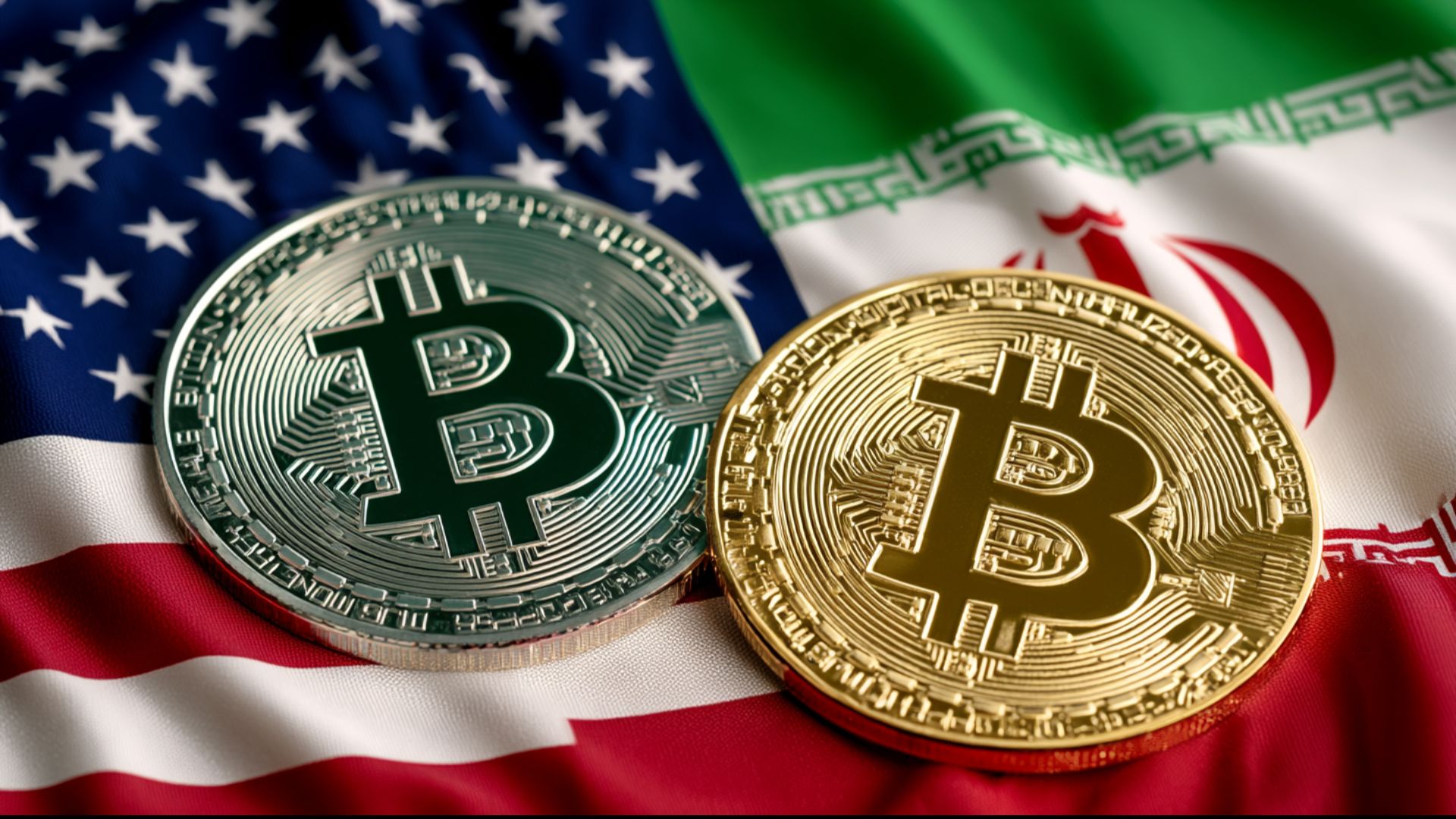
The U.S. Treasury escalated pressure on Iran’s crypto economy by designating Nobitex, Iran’s largest exchange, plus three other platforms and several executives. The move targets both companies and individuals tied to alleged sanctions evasion, ransomware, and regime-linked finance.
The U.S. government is trying to shut down big money pipes that Iran uses online. It says one exchange was like the main mailbox for that money, and now it is freezing the mailbox and naming the people in charge.
Analysis
What Treasury did
The U.S. Treasury’s OFAC designated Nobitex, Iran’s largest digital asset exchange, along with three other Iranian crypto platforms under counterterrorism and financial-sector authorities. Treasury also named key executives, signaling a broader effort to disrupt the people behind the infrastructure, not only the entities themselves.
Why Nobitex matters
According to OFAC, Nobitex handled more than 50% of Iranian digital asset inflows in 2025. Treasury said the exchange served as a conduit for payments tied to the Islamic Revolutionary Guard Corps, ransomware activity, and efforts to move wealth during internet blackouts. The article frames Nobitex as central to Iran’s digital financial network.
The wider network
The action also covered Wallex, Bitpin, and Ramzinex. Treasury said Wallex received 12% of Iranian digital asset inflows in 2025 and facilitated IRGC-linked transactions. Bitpin handled 10% of inflows, while Ramzinex reportedly processed more than $2.45 billion in total transactions, including payments for a government-backed financial institution.
Executive targeting and sanctions mechanics
A notable shift in this round is the naming of individuals. Treasury designated Amir Hossein Rad, described as Nobitex’s chairman, co-founder, and former CEO, for helping rebuild operations after a $90 million hack in June 2025. It also designated two co-founders tied to the Kharrazi family and the exchange’s current CEO, Seyed Ali Khoee. The article says that under E.O. 13224 and E.O. 13902, blocked property and secondary sanctions exposure can reach foreign firms and financial institutions that keep doing business with the designated parties.
What the market will watch
The article says compliance teams are watching whether the designations will force stablecoin issuers and foreign exchanges to cut off Iranian users more aggressively. OFAC had already said Iranian exchanges are blocked financial institutions, but explicit SDN listings can make enforcement and bulk freezes easier.
Key points
- Treasury designated Nobitex, Iran’s largest crypto exchange, and three other Iranian platforms.
- OFAC said Nobitex handled more than 50% of Iranian digital asset inflows in 2025.
- Treasury linked the platforms to IRGC activity, ransomware, and sanctions evasion.
- The action also named executives, including Nobitex’s chairman, former CEO, and current CEO.
- Officials used counterterrorism and Iran-financial-sector authorities, with secondary sanctions risk for foreign counterparties.
If the designations work as intended, they could make it harder for Iran-linked actors to move funds through major crypto channels. The article also suggests the move may push stablecoin issuers and foreign exchanges to improve screening and cut risky counterparties faster.
The crackdown may not fully stop Iran’s crypto activity if users and operators shift to other platforms, wallets, or informal routes. The article also implies broader compliance pressure could reach legitimate cross-border users if exchanges overcorrect to avoid sanctions risk.