US Treasury yields rise as TIPS challenge the inflation narrative
US Treasury yields have been rising since the Iran war, attributed to inflation expectations due to energy prices. However, Treasury Inflation-Protected Securities (TIPS) suggest that the driver is rising real yields, not inflation, which has bearish implications for yiel…
Intelligence analysis by Llama

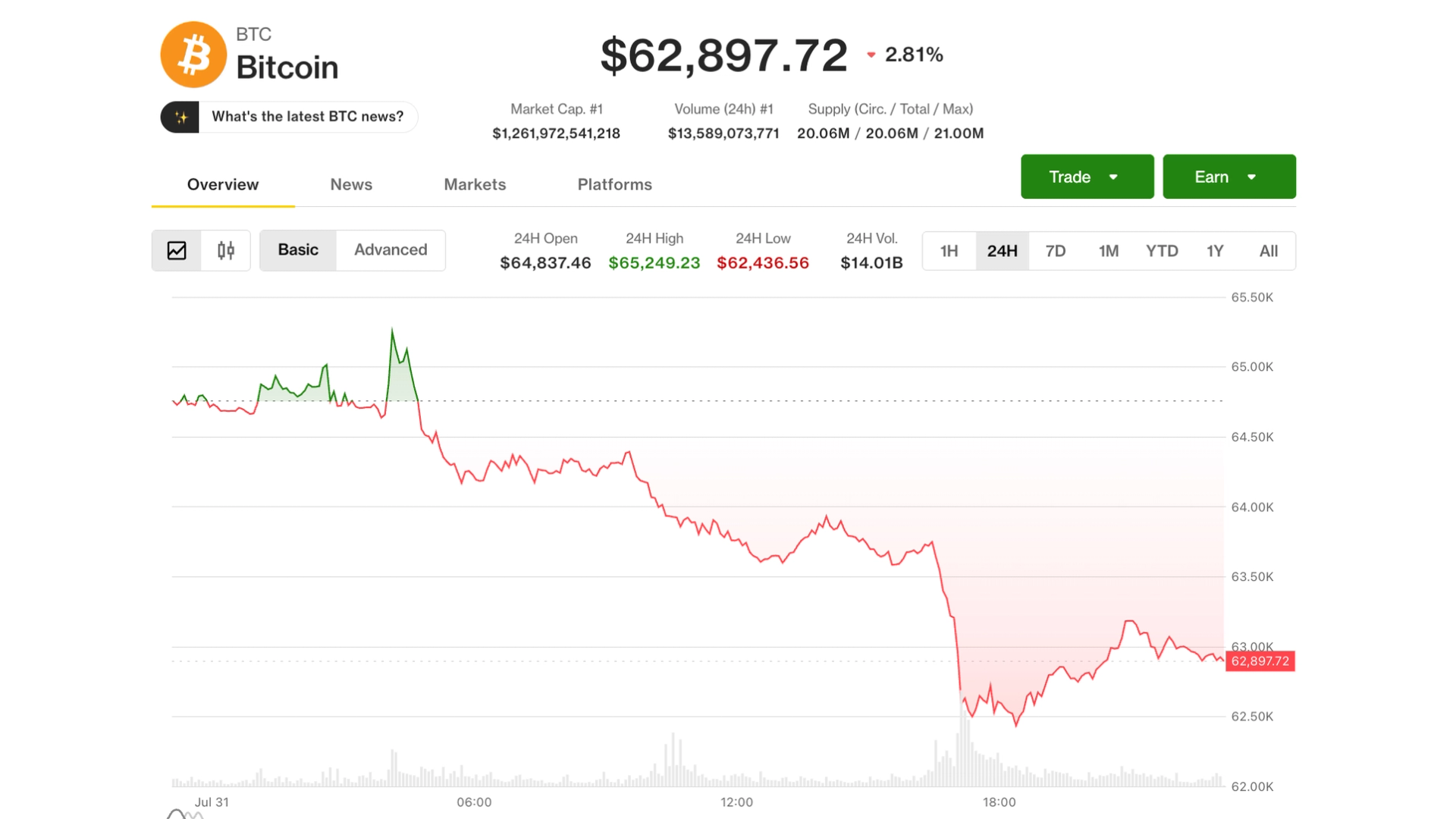
The rise in US Treasury yields is often attributed to inflation expectations due to energy prices. However, TIPS data suggests that the driver is rising real yields, not inflation, which has bearish implications for yield-free assets like Bitcoin.
Imagine you have a savings account that earns interest, but the interest rate goes up. This makes other investments, like Bitcoin, less attractive because they don't earn interest. This is what's happening with US Treasury yields and Bitcoin.
Analysis
A $60B Vote of Confidence
The recent rise in US Treasury yields has been attributed to inflation expectations due to energy prices. However, a closer look at Treasury Inflation-Protected Securities (TIPS) suggests that the driver is rising real yields, not inflation. This has significant implications for non-yielding assets like Bitcoin.
The five-year breakeven rate, which estimates the expectation of future CPI inflation, has gone down sharply since May. At roughly 2.2%, the five-year breakeven expects the Fed to achieve its 2% target in the medium term. However, more telling is that the breakeven rate has been moving in the opposite direction to the nominal treasury yields. While the five-year nominal yield rose 33 bps, TIPS data suggests this was the result of an 84 bps rise in the real yield, partially offset by a 51 bps decline in expected inflation.
The real story ought to be a rise in real yields. This has bearish implications for yield-free assets like Bitcoin. Generally, rising "real" investment returns on bonds and stocks in terms of CPI make non-yielding assets such as Bitcoin relatively less attractive to certain investors.
Why Cursor?
Beyond this, the impact on the crypto market depends on the explanation for higher real rates, of which several are available. Reserve liquidation, higher oil prices widening trade deficits for Asian energy importers, and demand destruction are some of the possible explanations. However, the impact of these factors on the crypto market is still unclear.
The Road Ahead
The implications of rising real yields on non-yielding assets like Bitcoin are significant. Understanding the driver of this trend is crucial for investors and market participants. As the market continues to evolve, it is essential to stay informed about the latest developments and their potential impact on the crypto market.
Key points
- US Treasury yields have been rising since the Iran war, attributed to inflation expectations due to energy prices.
- TIPS data suggests that the driver is rising real yields, not inflation, which has bearish implications for yield-free assets like Bitcoin.
- The five-year breakeven rate has gone down sharply since May, indicating a decline in expected inflation.
- The rise in real yields has bearish implications for non-yielding assets like Bitcoin.
If the rise in real yields is driven by reserve liquidation, it may lead to a decrease in the demand for Bitcoin, making it less attractive to investors. However, if the rise in real yields is driven by demand destruction, it may lead to a decrease in the supply of Bitcoin, making it more scarce and potentially increasing its value.
If the rise in real yields is driven by higher oil prices, it may lead to a decrease in the demand for Bitcoin, making it less attractive to investors. Additionally, if the rise in real yields is driven by demand destruction, it may lead to a decrease in the supply of Bitcoin, making it more scarce and potentially increasing its value.