US troops, families adjust to new normal of Iran war
Fourteen weeks after Trump’s strike on Iran, U.S. forces are stuck in a tense ceasefire, with attacks, injuries and extended deployments continuing.
Intelligence analysis by GPT-5.4 Mini
The article describes a war that has not returned to full-scale fighting but also has not ended. U.S. troops in the Middle East are staying on high alert while families at home and wounded service members absorb the strain of a long, unsettled conflict with Iran.
It is like two neighbors agreeing to stop throwing rocks but still standing in their yards, ready to start again. U.S. troops are waiting, families are worried, and the road that carries a lot of the world’s oil is still in danger.
Analysis
A war stuck in limbo
Fourteen weeks after President Donald Trump ordered an attack on Iran, the situation has settled into an unstable middle ground: not full-scale war, but not peace either. U.S. ships and bases in the Middle East are operating under regular fire exchanges with Iran, while the Navy blocks Iran’s ports and Trump threatens renewed bombing if negotiations fail.
Pressure on troops
The military is staying on what one U.S. official called constant "Level 10" alert vigilance. That means replenishing missiles and interceptors, updating target lists, and closely watching intelligence from drones and satellites in case fighting resumes. Former CENTCOM chief Joseph Votel said this is a "very, very dangerous period" because commanders must keep troops ready without letting readiness slip.
Human toll at home and abroad
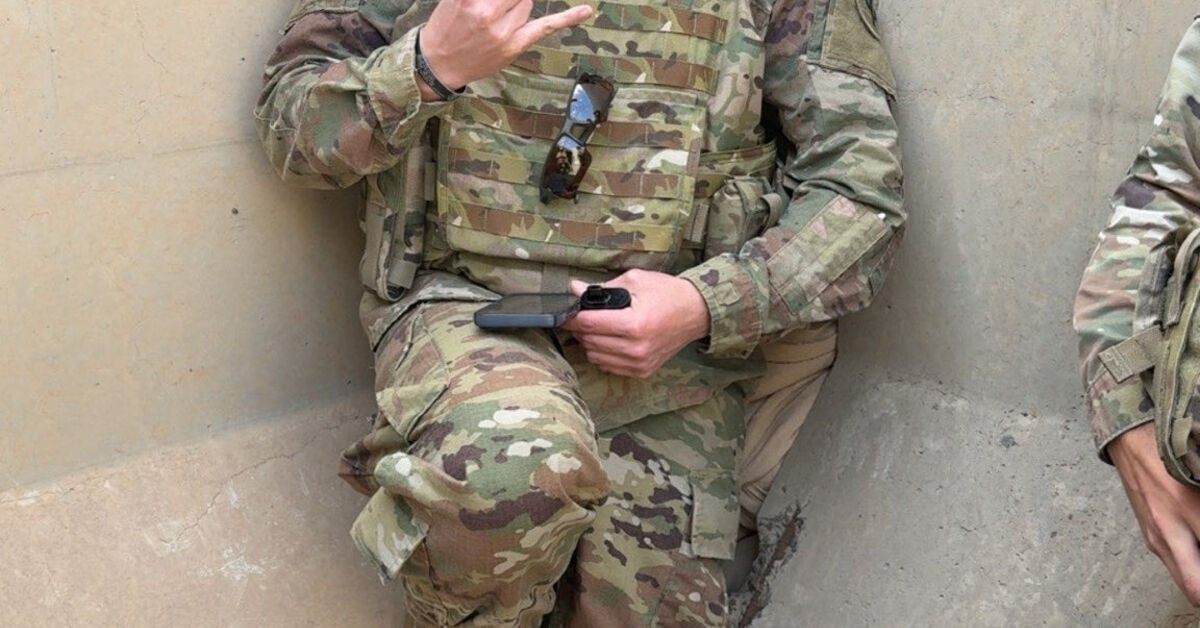
The article centers on Sergeant 1st Class Cory Hicks, who survived an Iranian drone attack in Kuwait that left him with severe injuries, including shrapnel wounds, a fractured jaw, and a traumatic brain injury. Around 400 U.S. troops have been wounded in the conflict, and the Pentagon says more than 90% have returned to duty. Thirteen service members have been killed.
Families are also living with uncertainty. Yadira Dessaint, whose son is deployed, says the lack of clear information makes the situation frightening. Iranian state media regularly claims attacks on U.S. ships and aircraft, adding confusion even when the U.S. military denies those reports.
Strategic stakes
The article says talks may lead to an extension of the ceasefire and possibly help reopen the Strait of Hormuz, through which 20% of the world’s oil moved before the war. But the deepest issues, including Iran’s nuclear program, appear unresolved. That leaves the region facing a prolonged standoff, with military readiness, supply shortages and family stress likely to continue.
Key points
- U.S. forces are operating under a tense ceasefire with Iran, with attacks still occurring every few days.
- About 400 U.S. troops have been wounded in the conflict, and 13 service members have been killed.
- Families of deployed service members say the lack of clear information makes the situation especially stressful.
- The war has strained U.S. munitions stocks, and officials say replenishing them could take years.
- Any deal may focus on extending the ceasefire and reopening the Strait of Hormuz before resolving deeper issues.
If the ceasefire holds, the U.S. and Iran could keep talks going and lower the chance of a wider war. A deal that reopens the Strait of Hormuz, even partly, would ease pressure on shipping and reduce immediate risk to Gulf states and U.S. forces.
If negotiations fail, the article says Trump could return to full-scale bombing and the standoff would harden further. That would keep troops under constant attack risk, prolong deployments, and delay replenishment of missiles and interceptors while the region stays unstable.