Vincent's parents 'never say he's good enough' - so he turned to a middle-aged couple online
Young Chinese viewers are turning to “virtual parents” online for warmth, reassurance, and relief from family pressure.
Intelligence analysis by GPT-5.4 Mini
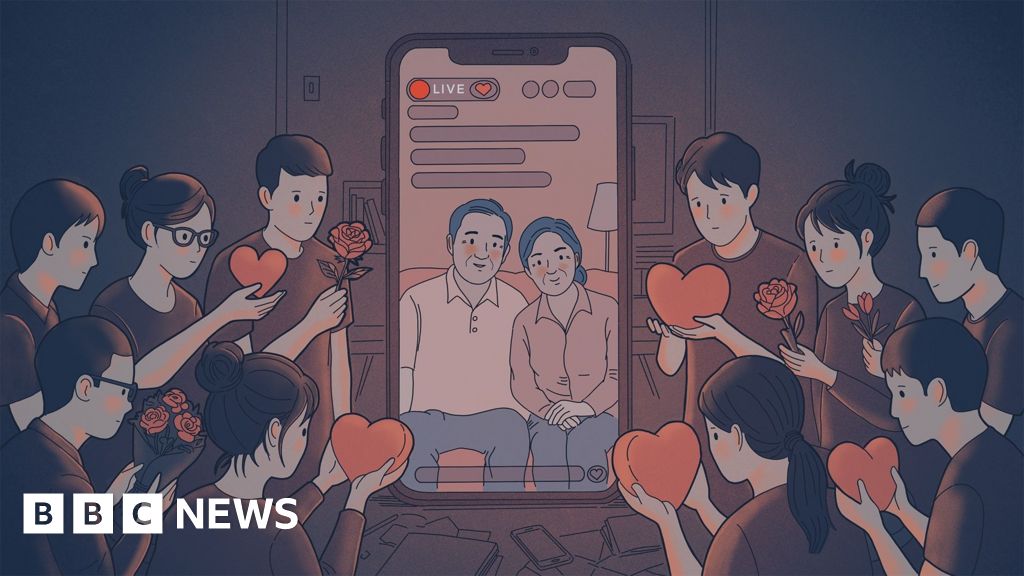
The BBC looks at a small but growing online trend in China: middle-aged creators who speak like affectionate parents to stressed young adults. For followers like Vincent, the videos offer the kind of encouragement he says he does not hear at home.
Some young people in China feel tired and judged at home, so they watch online videos where adults act like kind, encouraging parents. It is like borrowing a warm blanket when the house feels cold.
Analysis
A new kind of comfort
Vincent Zhang, a tech worker in Shanghai, checks in on his “virtual parents” during meals: a middle-aged couple on Douyin who post gentle, supportive videos aimed at young viewers. Their clips speak in the language of care and reassurance, and the comments section has become a place where followers call them mum and dad and ask for blessings.
Why the videos resonate
The article frames this trend as a response to pressure. Vincent says his real parents focus on criticism, especially about his career and relationship status. He feels that calls home often become a list of mistakes to correct. By contrast, the online couple offers the emotional tone he wants: affirmation rather than judgment.
The creators, Pan Huqian and Zhang Xiuping, have nearly two million followers on Douyin. Pan says he understands some of that pain from his own difficult childhood. He also says he deliberately tried to build a different atmosphere for his daughter, who appears in their videos.
A broader generational shift
The piece links this trend to wider changes in China. Younger people grew up with more stability and prosperity than previous generations, but they are now facing a much harsher economic climate. The article says youth unemployment has stayed above 15% for years, and many young adults feel burnt out and trapped in a race that does not reward them enough.
That frustration is spilling into online debate about parenting, filial piety, and the pressure to succeed. The story mentions memes such as “gourd soup literature,” which capture the feeling that parents ignore a child’s wishes while insisting they know best. For some, the humour is a coping tool; for others, it is a sign of a deeper reckoning with family expectations.
Key points
- A Chinese Douyin trend features creators who speak like affectionate parents to young followers.
- Vincent Zhang says the videos feel more supportive than his real parents' weekly calls.
- The article links the trend to economic stress, burnout, and high youth unemployment in China.
- Online debates about filial piety and parenting have intensified, with memes helping some people cope.
- The creators say they understand pain from their own lives and want to offer a different family tone.
If the trend keeps growing, it could give lonely or stressed young people a low-cost source of comfort and reduce some of the emotional strain they feel at home. It may also help open more honest conversations about parenting, pressure, and mental well-being.
The popularity of “virtual parents” may also show how many young people feel unsupported in real life. If family tensions and economic pressure continue, the online comfort may only treat the symptoms while the underlying stress remains.