‘Violence is a red line’: could Nigel Farage’s ‘pure, cold rage’ rhetoric damage his brand?
Farage’s hard-right response to a murder case and the Southampton unrest may energise his base, but it risks alienating moderates.
Intelligence analysis by GPT-5.4 Mini
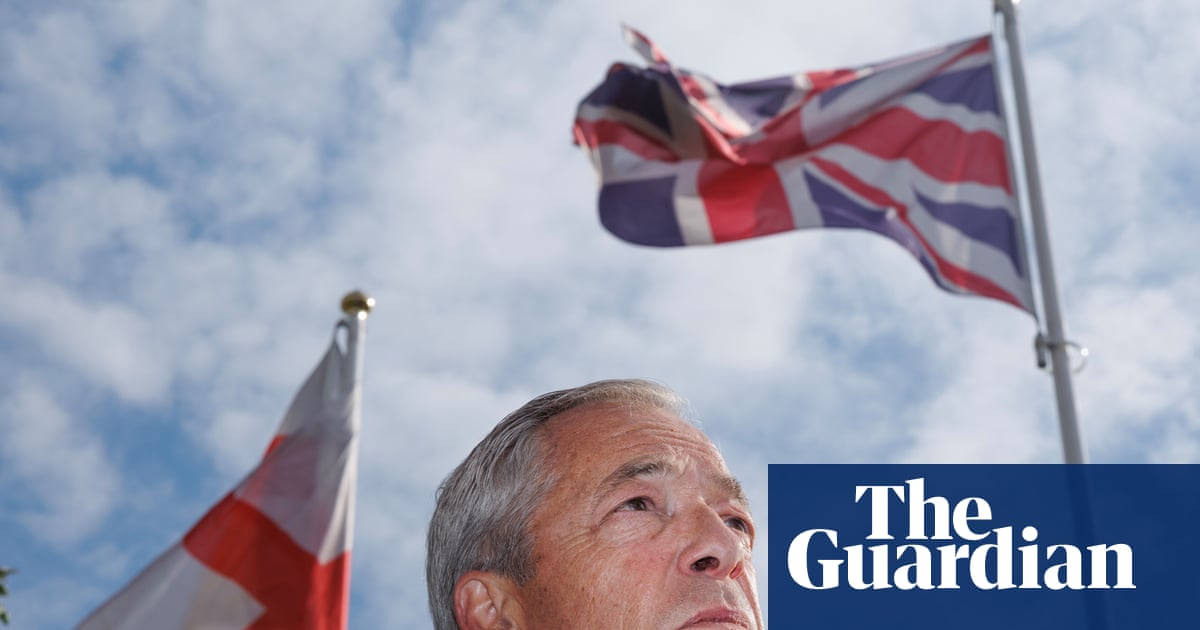
The Guardian says Farage leaned into race-heavy, nativist language after Henry Nowak’s murder, as Southampton saw unrest and Starmer accused him of exploiting division. The piece asks whether chasing the far right could damage Reform’s attempt to look safe for moderate voters.
Farage tried to sound tougher after a murder case, but it may have been like turning a radio up too loud: some people cheer, while others think it sounds ugly. The story asks if his loud words could scare off nicer, more careful voters.
Analysis
What happened
The article says Farage entered the controversy around Henry Nowak’s killing after Vickrum Digwa was convicted. In an “emergency address,” Farage claimed the case showed a “two-tier” system, contrasting treatment of white Britons with ethnic minorities and arguing that police promotion can be influenced by race or religion. He ended by urging “pure, cold rage.”
Why the reaction mattered
The story links that language to the disorder that followed in Southampton, where protesters and white nationalists clashed with police. When Farage faced Keir Starmer in Parliament, he did not clearly condemn the violence, and Starmer accused him of exploiting Nowak’s death to create division. The article says some Reform MPs looked uneasy, even though the party remains strong in opinion polling.
The bigger political risk
The Guardian argues that Farage may be reacting to pressure from Rupert Lowe’s Restore Britain, a splinter party positioned even further to the right. Lowe’s party is described as openly hard-right, with talk of deporting millions and support from some racist nativist voices online. Pollster Luke Tryl says Farage risks losing the carefully sanitised image that helps Reform attract moderate voters. He warns that if Restore took 3-4% nationally, Reform could lose about 80 seats in a general election.
The article also notes a long-standing Farage calculation: he has often tried to keep distance from overt extremists, as when he left Ukip in 2018 over its embrace of Tommy Robinson-linked politics. This time, though, the piece suggests he may be struggling to hold that line while still competing for the right flank.
Key points
- Farage used a murder case and the Southampton unrest to attack what he called a “two-tier” system.
- The article says his language echoed parts of the European far right and the Trump administration.
- Keir Starmer accused Farage of exploiting the victim’s death to stoke division.
- Pollster Luke Tryl warned that chasing the Restore Britain flank could cost Reform moderates and seats.
- The piece suggests Farage is trying to defend his right flank without losing the broader, more sanitised Reform brand.
If Farage and Reform step back from the harshest language, they could keep their tough-on-crime and immigration message without being tied to street violence. That might help them keep both their loyal base and some moderate voters. If the party can clearly separate itself from extremists like those involved in the Southampton unrest, it may preserve the broader appeal that has kept it ahead in polling.
If Reform keeps chasing the far-right flank, it could deepen fears that it is normalising cruelty and racial grievance. That would make it harder to win over voters who dislike the major parties but still want restraint. A splinter like Restore Britain could also take enough support to hurt Reform in close seats, especially if the right vote fragments in the next election.