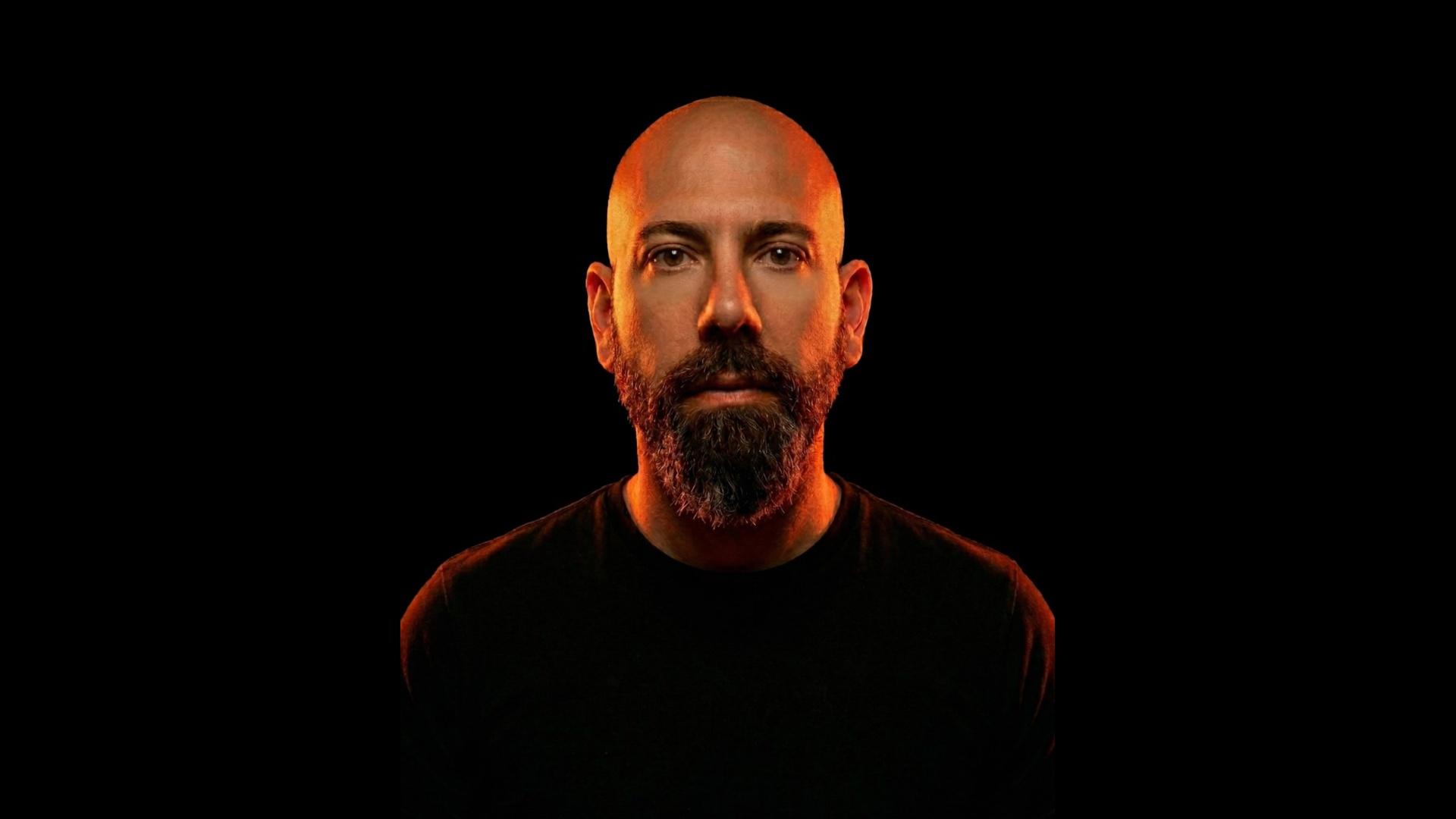
Wall Street is moving past crypto pilots and deeper into Ethereum, says Etherealize founder
Etherealize founder Vivek Raman says Wall Street is moving from Ethereum pilots to real deployments, even as ETH lags the adoption story.
Intelligence analysis by GPT-5.4 Mini

Raman says large institutions are increasingly treating Ethereum as production infrastructure, with interest widening from stablecoins to tokenized stocks, bonds, real estate and funds. He argues the network is built out, but ETH has not yet fully priced in that shift.
Ethereum is like a new highway for money. Banks are not just testing it anymore; they are starting to plan real trips on it for things like stocks and bonds. The road is ready, but the traffic has not fully arrived yet, so the price has not caught up.
Analysis
From pilots to production
Vivek Raman, cofounder of Etherealize, says the tone around Ethereum on Wall Street has changed. In his view, large financial firms have moved beyond small experiments and are now looking at public blockchains as infrastructure they can actually use in production.
He described the earlier phase as cautious testing, with institutions “dip your toe in.” Now, he said, the conversation is more urgent and direct: firms want to use public chains the way they use the internet. The article says this shift is showing up first in stablecoins, which Raman sees as the industry’s initial institutional use case, but the broader discussion is expanding.
What institutions are exploring
According to Raman, the next wave includes tokenized stocks, bonds, real estate and investment funds. He argues Ethereum has built a strong position through its role in liquidity, stablecoins and institutional deployments, which creates a network effect that keeps drawing traditional finance deeper into the ecosystem.
At the same time, he says ETH itself has not yet fully reflected that momentum in price. His explanation is timing: institutional sales cycles are long, the infrastructure is already in place, and the assets have not all moved onchain yet. In his framing, Ethereum is in a transitional phase where the plumbing exists before the full flow of capital arrives.
Raman also defended the Ethereum Foundation against criticism over leadership changes and its role in the ecosystem. He said the foundation stepping back is a feature because the network should not be controlled by one party. In his view, the foundation’s job is to preserve the protocol’s core values, including security, censorship resistance, privacy and open standards, while continuing work on longer-term goals such as zero-knowledge technology and quantum resistance.
The article closes on a simple measure of success: adoption. Raman’s claim is that Ethereum will ultimately be judged less by short-term price moves and more by whether it becomes the base layer for real financial activity.
Key points
- Raman says Wall Street is moving from Ethereum pilots to real deployments.
- He says interest is widening from stablecoins into tokenized stocks, bonds, real estate and funds.
- He argues Ethereum's infrastructure is largely built, but the market has not fully priced in adoption yet.
- Raman says the Ethereum Foundation should preserve core protocol values rather than control the network.
- He sees ultimate success as adoption and utility, not just ETH's price.
If institutions keep moving tokenized assets onto Ethereum, the network could become a core layer for stocks, bonds, funds and real estate. That would give ETH a stronger role as the asset securing the system and make the adoption story easier to see in market terms.
The biggest risk in the article is timing: long institutional sales cycles could keep adoption slower than supporters expect. If assets do not move onchain at scale, ETH may continue to lag the infrastructure story despite growing interest.