Wamkele Mene (Zlecaf): We Cannot Realize Africa's Potential if We Remain Fragmented
Wamkele Mene, the secretary general of the African Continental Free Trade Area (Zlecaf), discusses the progress made in the past seven years since the agreement was signed in Kigali. Despite institutional advancements, the intra-African trade remains at 15%, and Mene emph…
Intelligence analysis by Llama
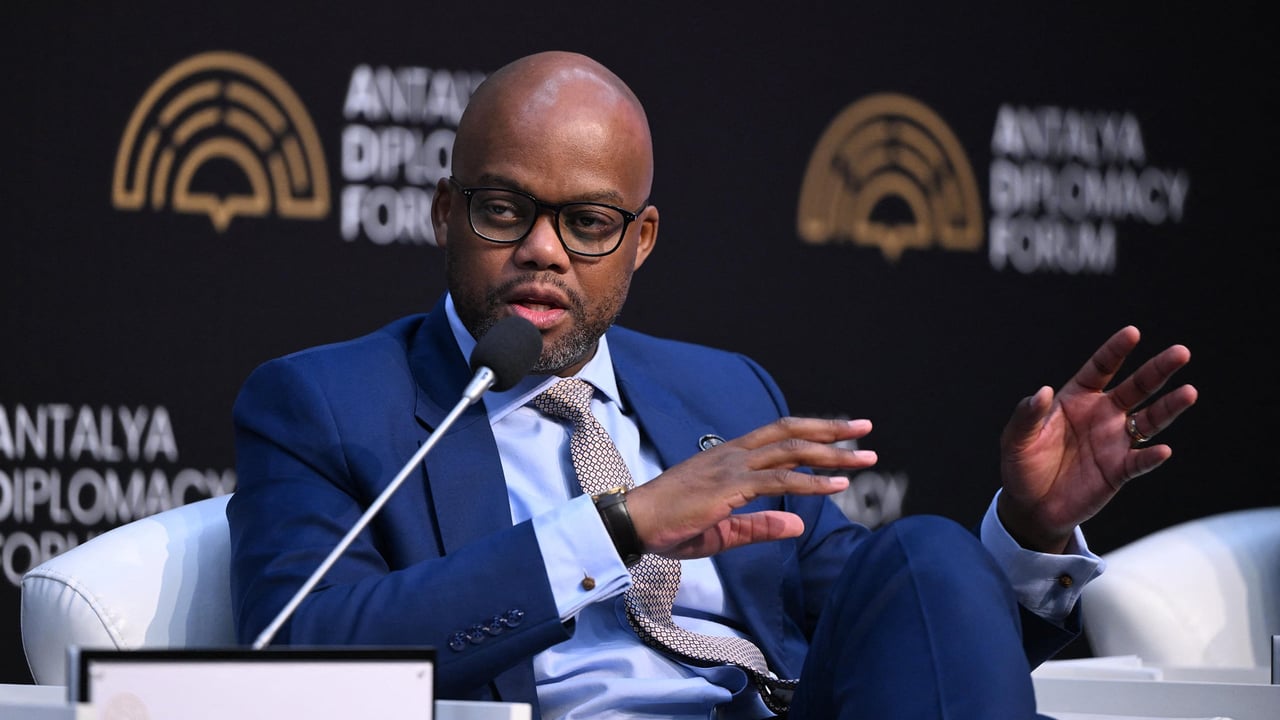
Wamkele Mene, the secretary general of the African Continental Free Trade Area (Zlecaf), highlights the progress made in the past seven years since the agreement was signed in Kigali. However, he notes that the intra-African trade remains at 15%, and the continent needs to remain united to achieve its potential.
Imagine you have a big box of toys, but each toy is only available in one country. You can't play with all the toys because you can't get them from one country to another. That's what's happening with Africa's trade. The countries are like separate boxes, and they can't trade with each other easily. Wamkele Mene wants to change this by creating a single market for the whole continent, so that countries can trade with each other easily.
Analysis
A $60B Vote of Confidence
The African Continental Free Trade Area (Zlecaf) has made significant progress in the past seven years since the agreement was signed in Kigali. Fifty countries have ratified the agreement, and the main protocols that will govern the future African market are now in place. This is a major achievement, but it is not without its challenges. The intra-African trade remains at 15%, which is a significant obstacle to achieving the continent's potential.
Why Cursor?
The Zlecaf agreement aims to create a single market for the continent, but the progress made so far has been slow. The agreement has been in place for seven years, but the intra-African trade remains at 15%. This is a major challenge that needs to be addressed. The continent needs to remain united to achieve its potential, and this requires a concerted effort from all the countries involved.
The Road Ahead
The Zlecaf agreement is a crucial step towards creating a single market for the continent. However, the progress made so far has been slow, and the intra-African trade remains at 15%. This highlights the need for the continent to remain united to achieve its potential. The road ahead is challenging, but it is not impossible. With a concerted effort from all the countries involved, it is possible to achieve the continent's potential and create a single market that benefits all the countries involved.
Key points
- The African Continental Free Trade Area (Zlecaf) agreement has made significant progress in the past seven years since it was signed in Kigali.
- Fifty countries have ratified the agreement, and the main protocols that will govern the future African market are now in place.
- The intra-African trade remains at 15%, which is a significant obstacle to achieving the continent's potential.
- The Zlecaf agreement aims to create a single market for the continent, but the progress made so far has been slow.
- The continent needs to remain united to achieve its potential, and this requires a concerted effort from all the countries involved.
If the African Continental Free Trade Area (Zlecaf) agreement is successful, it could lead to a significant increase in intra-African trade, which could in turn boost economic growth and development across the continent. This could also lead to increased investment and job creation, which could help to reduce poverty and inequality.
If the Zlecaf agreement is not successful, it could lead to a continued decline in intra-African trade, which could exacerbate poverty and inequality across the continent. This could also lead to a decrease in economic growth and development, which could have negative consequences for the continent as a whole.