War may spread beyond region if conflict resumes
A senior Iranian adviser told CNN Iran could expand the war beyond the Persian Gulf if fighting resumes, while also tying any deal to release of frozen assets.
Intelligence analysis by GPT-5.4 Mini
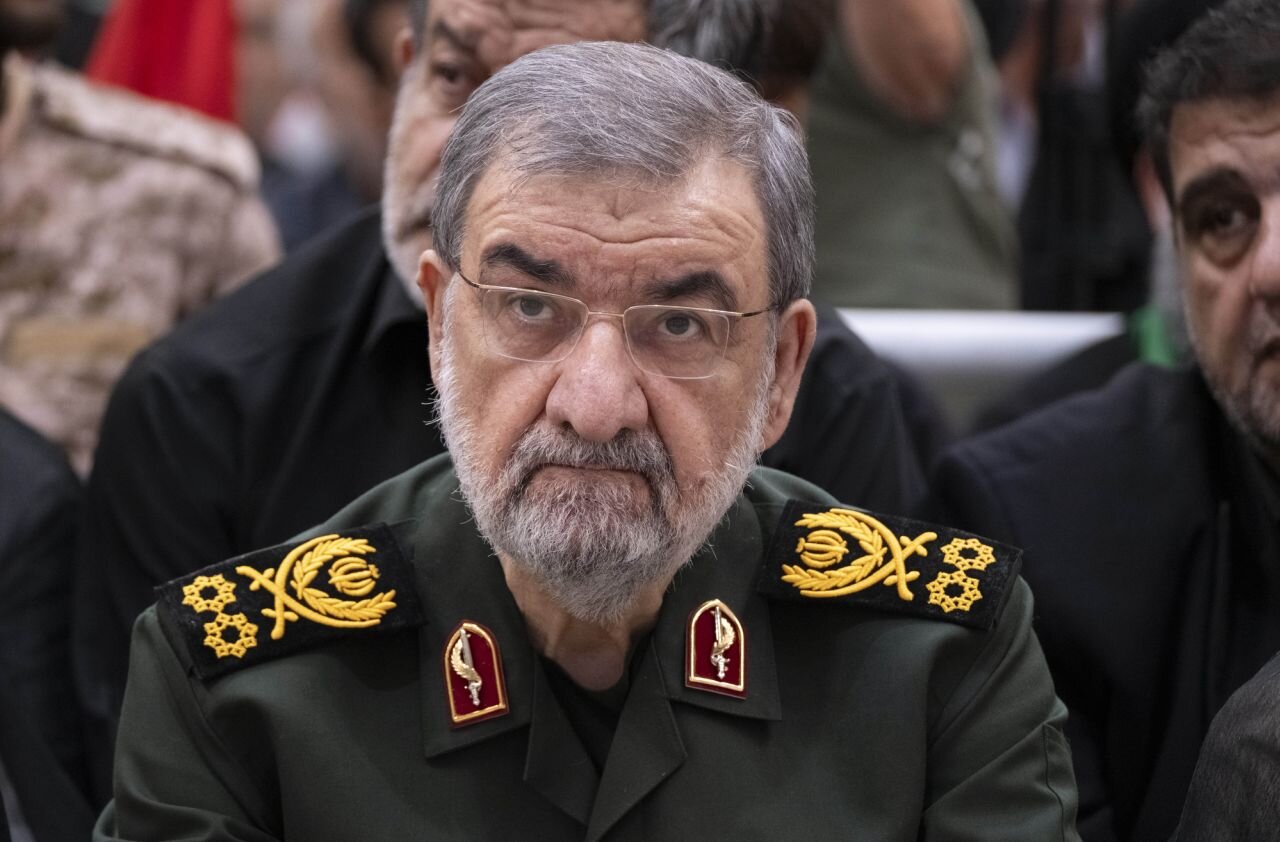
Mohsen Rezaei said the negotiations are stalled and argued the United States must make the next move, including releasing $24 billion in frozen Iranian assets. He warned that any renewed conflict could widen to the Indian Ocean, Bab al-Mandab, the Red Sea and the Mediterranean.
An Iranian official is saying the next fight could spread like spilled paint across a map if talks fail. He also says Iran wants its frozen money back first, like asking for a locked toy before agreeing to play.
Analysis
What Rezaei said
In an interview with CNN, Mohsen Rezaei, a military adviser to the Leader of the Islamic Revolution, said talks with the United States are stalled and that Donald Trump must break the deadlock. He tied any progress to what he described as a trust-building step: the release of $24 billion in frozen Iranian assets.
Rezaei said the money is Iran’s own funds and argued that releasing it would open a path for broader talks. He also rejected the idea of a direct meeting between Trump and Ayatollah Khamenei, saying that would not happen at this stage.
War and the Strait of Hormuz
The strongest warning in the interview was about another round of fighting. Rezaei said that if the US resumes the conflict, Iran would “drag the war” beyond the Persian Gulf. He said that could extend the battlefield from the Strait of Hormuz to the Indian Ocean, Bab al-Mandab, the Red Sea and the Mediterranean Sea.
He also repeated Iran’s claim that it and Oman share sovereignty over the Strait of Hormuz and said any charges for ships passing through would be a maintenance fee, not a toll. The article notes that the strait is a critical route for oil and liquefied natural gas.
What the interview signals
Rezaei cast doubt on the durability of any future nuclear agreement, pointing to Trump’s withdrawal from the 2015 deal and what he described as ambiguity in negotiations. He also said Iran is prepared to counter a possible US invasion and claimed Iran’s ground forces are far stronger than its missile force alone would suggest.
The article’s overall message is that Tehran is combining a negotiating demand with a military warning: if diplomacy moves forward, it wants concessions and asset relief; if it breaks down, it is signaling a broader regional escalation.
Key points
- Mohsen Rezaei told CNN that negotiations are deadlocked and Trump must move first.
- He linked any deal to the release of $24 billion in frozen Iranian assets.
- Rezaei warned Iran could widen the war if the US resumes fighting.
- He said conflict could spread to the Indian Ocean, Red Sea, Bab al-Mandab, and Mediterranean Sea.
- He questioned the durability of any new nuclear deal with Trump.
If the US and Iran make progress on the frozen assets issue, the article suggests that talks could reopen and reduce the chance of renewed fighting. That could also lower pressure around the Strait of Hormuz and other major sea routes.
If negotiations stay frozen and fighting starts again, Rezaei said the conflict could widen beyond the Persian Gulf. The article also suggests that shipping routes and regional bases could become targets, raising the risk of a broader war.