Watch airspace over occupied Palestinian lands tonight: MP
An Iranian lawmaker said Iran will respond after Israel's strike on Beirut's southern suburb.
Intelligence analysis by GPT-5.4 Mini

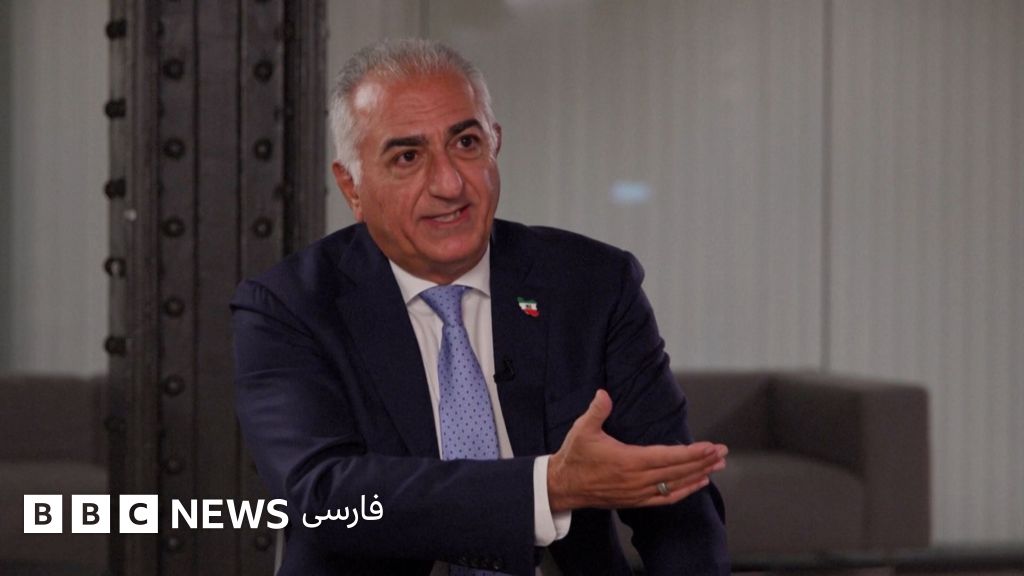
Ebrahim Rezaei, a spokesman for parliament's national security committee, warned of a decisive response to Israel's attack on Beirut's Dahiyeh. He urged people to watch the airspace over occupied Palestinian lands overnight.
An Iranian lawmaker said Iran may answer an Israeli strike on Beirut by making things tense in the skies over land Israel controls. It is like one side warning that if a ball is thrown, one may come back faster.
Analysis
What happened
A senior Iranian lawmaker reacted to Israel's aerial attack on southern Beirut on Sunday by warning that Iran would respond. Ebrahim Rezaei, who speaks for the Iranian Parliament's National Security and Foreign Policy Commission, said the response would be "decisive and painful".
The message
In a post on social media, Rezaei used strongly hostile language toward the Israeli government and ended with a warning that people should watch the airspace over occupied Palestinian lands overnight. The article presents this as a direct reaction to the strike on Beirut's Dahiyeh district.
What the report does and does not say
The piece does not give details about any specific military action, timing, or mechanism for an Iranian response. It also does not quote any official Iranian government order or confirm that a counterattack has begun. It only reports the lawmaker's statement and the context of the Israeli strike.
Broader context
The story fits a familiar pattern in which Iranian officials and lawmakers issue sharp public warnings after Israeli strikes in Lebanon. That makes the article more of a signal piece than a policy announcement: it shows the temperature of the moment and the rhetoric being used around the conflict.
Key points
- Ebrahim Rezaei reacted to Israel's strike on Beirut's southern suburb.
- He said Iran would give a decisive and painful response.
- He ended by warning people to watch the airspace over occupied Palestinian lands overnight.
- The article reports a threat statement, not a confirmed counterattack.
- The piece reflects rising tensions linked to the Beirut strike.
If the warning is taken seriously, it could make the other side more cautious about launching fresh strikes. A visible deterrent could also reduce the chance of an immediate new attack.
The statement could add pressure and push both sides toward sharper escalation. If rhetoric is followed by action, the risk of more strikes and a wider regional crisis rises.