‘We call it the P-word’: Chicago professor suspended after assignment mentions Palestinians
A Chicago art therapy professor was suspended after a student complaint over a case study mentioning Palestinians. The professor says the move shows rising pressure to avoid discussing Palestine in class.
Intelligence analysis by GPT-5.4 Mini
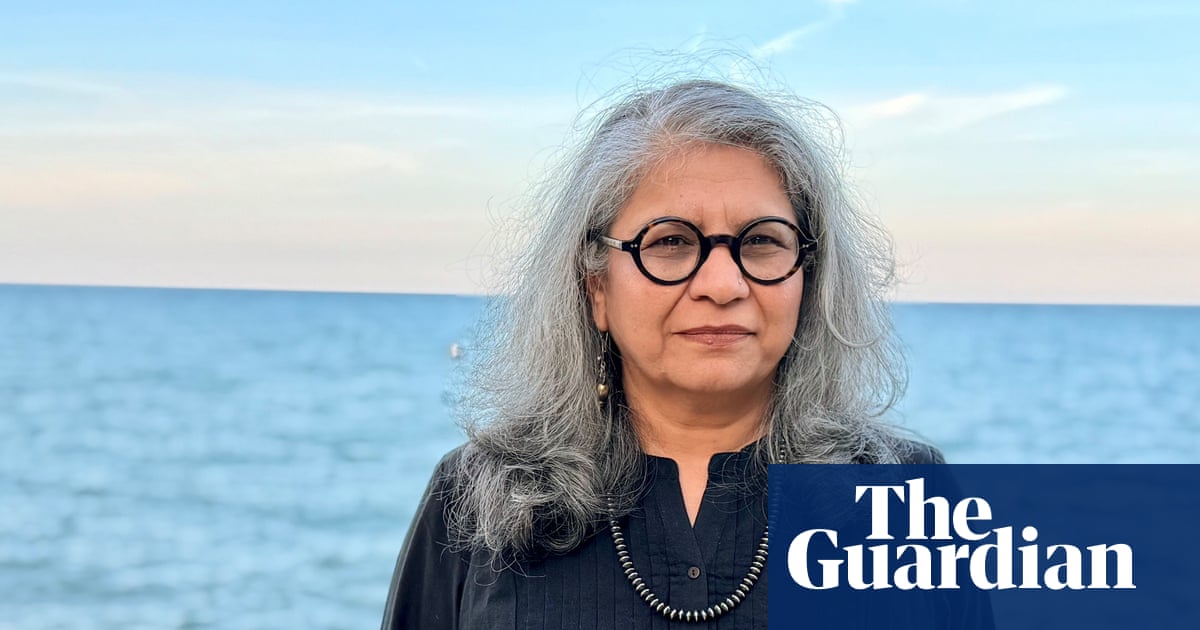
Savneet Talwar, a tenured professor at the School of the Art Institute of Chicago, was put on paid leave after assigning a case study that briefly referenced sympathy for Palestinians. The school says it is handling an ongoing personnel matter; Talwar argues the suspension reflects a climate where even mentioning Palestine can trigger punishment.
A teacher gave students a pretend patient story, and one small part mentioned Palestinians. After a complaint, the school stopped her from teaching. It is like being punished for using one word in a school worksheet.
Analysis
What happened
Savneet Talwar, a tenured professor in the art therapy and counseling program at the School of the Art Institute of Chicago, assigned a case study in April for a class on the cultural dimensions of therapy. The hypothetical client was a queer, Muslim woman in the US, and one portion of the assignment noted that protests supporting Palestine affected her personally and that she felt deeply moved by violence against Palestinian civilians.
The Guardian says the two-page assignment mostly focused on other aspects of the client, including family history, relationships, and immigrant status. Talwar says she was later asked by a dean whether she had assigned anything with Palestine in it, then called into an urgent meeting and told her class was canceled. The next day, on 17 April, she was placed on paid leave and barred from discussing the matter with students and colleagues.
Why the school reacted
According to letters described in the article, school officials warned that the assignment could amount to discrimination, harassment, or retaliation. The school also pointed to other disputes involving the same student, including separate antisemitism-related complaints and prior tensions in the department. The article says the department had already faced complaints, investigations, and anti-bias training.
Talwar rejects the accusation that the case study was antisemitic or discriminatory. Through her attorney, she says the school has no clear theory of discrimination and is stretching the concept in a way that could punish ordinary classroom material. Her lawyer argues the suspension itself may be discriminatory.
Broader significance
The story illustrates how campus conflicts over Israel and Palestine can spill into ordinary teaching decisions. It also shows how quickly a classroom assignment can become a personnel issue when institutions are already handling overlapping complaints, legal threats, and political pressure.
Talwar says the episode reflects a wider chill in higher education. Her line about calling it the “P-word” captures the fear she says faculty now feel around discussing Palestine at all.
Key points
- A tenured SAIC professor was suspended after a student complained about a case study that mentioned Palestine.
- Talwar says the assignment was about a hypothetical Muslim woman and mostly concerned therapy-related issues, not politics.
- The school cited prior complaints and said the assignment might amount to discrimination, harassment, or retaliation.
- Talwar says the move shows how discussion of Palestine is becoming harder in higher education.
- Her attorney says the school does not have a clear theory for why the assignment was discriminatory.
If the grievance process is handled carefully, it could clarify what schools can teach while still responding to student complaints. A fair review could also help separate legitimate classroom content from actual harassment.
If the suspension stands without a clear standard, it could make teachers avoid even neutral references to Palestine in class. That would deepen fear in departments already dealing with accusations, complaints, and mistrust.