‘We count every litre’: how Cuba’s energy crisis sparked a daily struggle for water
Cuba's energy crisis has left millions struggling to access water, with power cuts preventing pumping stations from operating and an ageing distribution network exacerbating fuel shortages. Wealthier families can afford private water trucks, while everyone else waits for …
Intelligence analysis by Llama
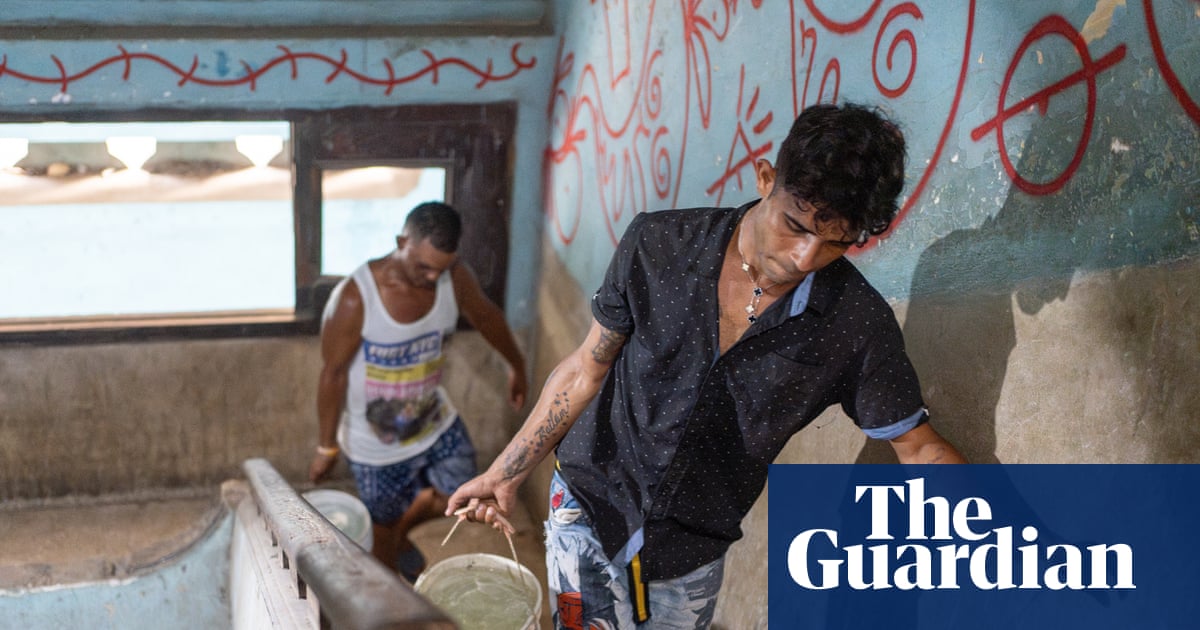
Cuba's energy crisis has led to a daily struggle for water, with millions left without access due to power cuts and fuel shortages. Wealthier families can afford private water trucks, while others rely on informal water carriers or haul water home themselves.
Imagine living in a place where you can't turn on the tap and get clean water. That's what's happening in Cuba right now. The country's energy crisis has caused a big problem with water, and people are having to carry buckets of water from far away just to have enough to drink, cook, and wash. It's a really hard situation, and it's affecting a lot of people, especially the elderly and children.
Analysis
A Daily Struggle for Water
Cuba's energy crisis has left millions of its citizens without access to water, a basic necessity that is now a daily struggle. The country's power cuts, which are becoming more frequent and prolonged, have prevented many pumping stations from operating, exacerbating the already dire situation. An ageing distribution network and chronic fuel shortages have further worsened the crisis, leaving millions without a reliable source of water.
The Informal Water Economy
In the absence of a functioning public water system, an informal water economy has emerged in Havana. Wealthier families can afford private water trucks, which deliver water to their homes. However, for the majority of Cubans, this is not an option. They are forced to wait for deliveries, haul water home themselves, or pay informal water carriers to do it. This has led to a thriving black market for water, with prices skyrocketing as demand grows.
The Human Cost
The water crisis in Cuba has a devastating impact on its citizens, particularly the most vulnerable. Elderly people, who are already struggling to access basic necessities, are forced to spend their days fetching water, often in extreme heat. Children are also affected, as they are forced to miss school to help their families collect water. The situation is dire, and it is only a matter of time before the crisis spirals out of control.
A Call to Action
The water crisis in Cuba is a stark reminder of the need for sustainable and reliable energy solutions. The country's energy crisis is not just an economic issue, but a humanitarian one. It is imperative that the international community comes together to support Cuba in its efforts to address the energy crisis and ensure access to basic necessities like water.
Key points
- Cuba's energy crisis has left millions without access to water.
- Power cuts have prevented many pumping stations from operating.
- An ageing distribution network and chronic fuel shortages have exacerbated the crisis.
- Wealthier families can afford private water trucks, while others rely on informal water carriers or haul water home themselves.
- The water crisis has a devastating impact on Cuba's citizens, particularly the elderly and children.
If the energy crisis in Cuba is addressed, it's possible that the water situation could improve. The government could invest in new energy sources, such as solar or wind power, which could help to reduce the country's reliance on fossil fuels. Additionally, the government could work to improve the distribution network and increase the availability of fuel, which could help to get the public water system up and running again.
If the energy crisis in Cuba continues, it's likely that the water situation will only get worse. The informal water economy will continue to thrive, and prices will continue to rise. This will make it even harder for people to access water, and the situation will become increasingly dire. The government will need to take drastic action to address the energy crisis and ensure access to basic necessities like water.