‘We didn’t feel safe’: Booking.com users face battle to get money back
Customers using Booking.com are struggling to get refunds when accommodation issues arise, as the platform claims it is not a contractual party with users.
Intelligence analysis by Gemini 2.5 Flash Lite
Users of Booking.com are encountering significant difficulties in obtaining refunds for unsatisfactory or unsafe accommodation. The platform's terms and conditions state that the contract is directly between the user and the host, positioning Booking.com as a mere facilitator, which complicates compensation claims when issues like poor conditions or safety concerns arise.
Imagine you order a toy from a website that connects you to the toy maker. If the toy arrives broken, the website says it's the toy maker's fault, not theirs. So, you have to argue with the toy maker to get your money back, and sometimes the website doesn't help much, leaving you with a broken toy and no refund.
Analysis
The Platform's Liability Quandary
The core of the issue lies in the contractual relationship, or lack thereof, between Booking.com and its users. While millions rely on such platforms for booking accommodations, the terms and conditions often stipulate that the company is not a 'contractual party.' This means that when a property fails to meet standards—whether it's a case of deceptive listings, poor maintenance, or safety hazards like melted electrical sockets—the responsibility for resolution and compensation is theoretically pushed onto the individual host or property owner. This legalistic stance allows platforms like Booking.com, Airbnb, and Vrbo to distance themselves from direct liability, acting primarily as intermediaries rather than guarantors of the service provided.
Consumer Frustration and Financial Strain
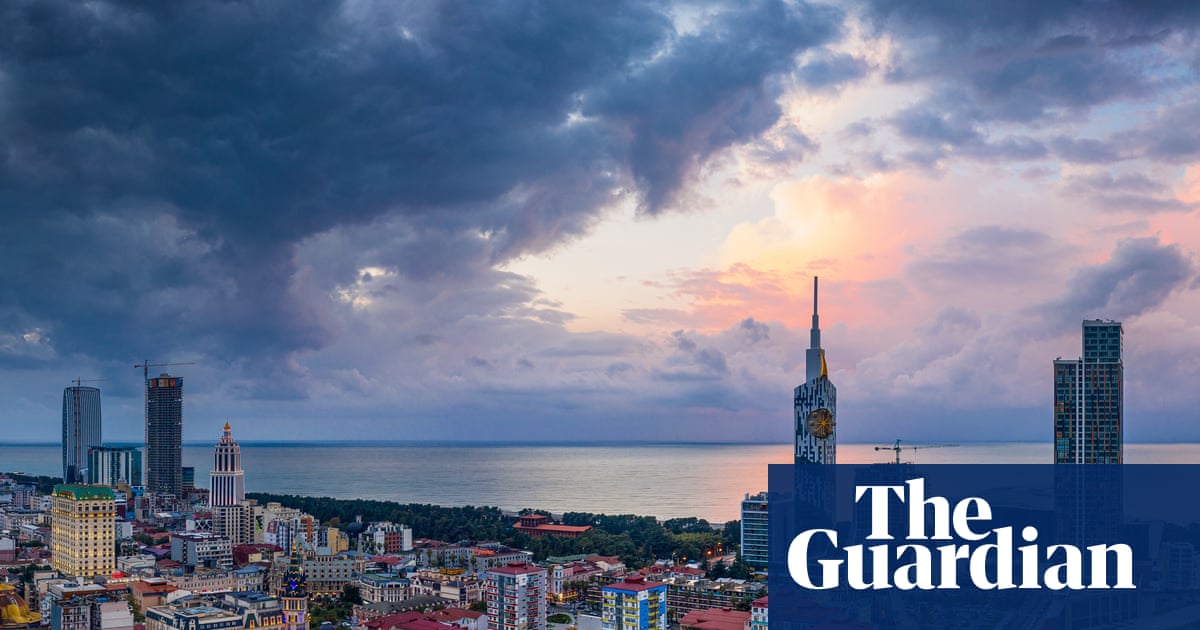
Readers' accounts paint a consistent picture of frustration and financial loss. Jane Ripley's experience in Batumi, Georgia, where she was moved to a shabby alternative and incurred additional costs, exemplifies the problem. Despite paying for the original booking and the replacement, she was offered minimal credit, not a full refund. Similarly, John Taylor faced a battle for a refund after being overcharged and then denied reimbursement for a cancelled booking in Mongolia, only receiving his money back months later. Kate Worthing's Parisian apartment, with exposed electrical wires and a lack of fire safety measures, led to her family feeling unsafe, yet Booking.com cited the property's policies for refusing a full refund, offering only partial credit.
Legal Grey Areas and Consumer Rights
Consumer advocates like Martyn James suggest that while these platforms may argue they are mere conduits, courts might view such practices unfavorably, especially in cases where safety is compromised. The Package Travel Regulations 2018 offer robust protection for package holidays, making the tour operator responsible for issues. However, for individual bookings made through platforms, the legal landscape is less clear. This ambiguity leaves consumers in a vulnerable position, often forced to accept partial compensation or credits for services that were not delivered as promised, or worse, were unsafe, highlighting a significant gap in consumer protection in the digital travel marketplace.
Key points
- Booking.com users are reporting difficulties in obtaining refunds for unsatisfactory accommodation.
- The platform's terms state it is not a contractual party, placing liability on hosts.
- Travelers have faced issues ranging from deceptive listings to safety concerns, incurring additional costs.
- Consumer advocates suggest legal challenges could favor consumers, but the current situation remains a grey area.
- Users are often offered credits instead of full refunds, even when forced to find alternative accommodation.
If Booking.com and similar platforms begin to take more proactive responsibility for the quality and safety of listed accommodations, consumers could see improved dispute resolution processes and fairer compensation when issues arise. This could lead to increased trust and a more reliable booking experience for travelers worldwide.
The current model, where platforms largely deflect liability to individual hosts, risks leaving consumers consistently out of pocket and feeling unsafe. Without stronger regulatory oversight or a shift in platform policy, travelers may continue to face battles for refunds and compensation for substandard or hazardous accommodations.