‘We’re not going to back down’: tiny Dorset B&B stands up to Airbnb’s legal bid to ‘monopolise’ letters ‘bnb’
A small six-room B&B in Dorset, bnb-side, is embroiled in a legal battle with Airbnb over its use of the letters 'bnb' in its name. Airbnb claims trademark infringement, while bnb-side argues it's a universal descriptive term for bed and breakfast.
Intelligence analysis by Gemini 2.5 Flash
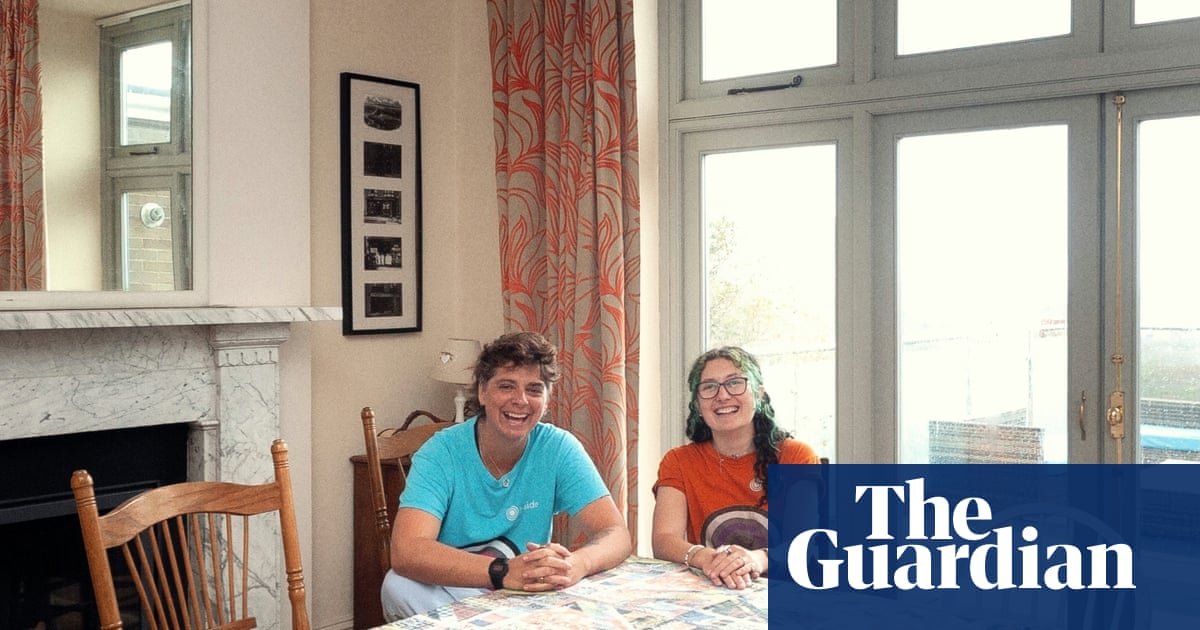
The dispute pits a Silicon Valley giant against a community-focused social enterprise that uses its B&B income to fund a local arts festival. The outcome could have significant implications for trademark law regarding descriptive terms and the financial viability of small businesses.
Imagine a giant company called "AirSleep" trying to stop a tiny guesthouse called "Sleepy Inn" from using the word "sleep" because "AirSleep" thinks it owns that word. The tiny guesthouse needs its name to help fund a fun art festival, and changing it would be a big, expensive problem for them, so they're fighting back.
Analysis
bnb-side
The core of the dispute centers on bnb-side, a small six-room bed and breakfast on the Isle of Portland, which was established in 2024 to generate income for the local b-side arts festival. Its director, Rocca Holly-Nambi, asserts that "bnb" is a universally recognized abbreviation for "bed and breakfast," a descriptive term that has been in common usage for decades. The guesthouse's name is a deliberate play on the festival's name, intended to create a clear association and leverage local recognition.
The financial implications for bnb-side are substantial; the guesthouse currently contributes almost half of the b-side festival's annual £250,000 turnover. A forced name change would necessitate costly rebranding efforts, including new signage, website updates, and social media adjustments, all of which would divert scarce funds and volunteer time from the social enterprise's primary mission. This financial strain could jeopardize the festival's future, which was initially seeking greater financial security beyond public funding.
Intellectual Property Office
The legal battle is currently before the Intellectual Property Office, where b-side is formally requesting that Airbnb's opposition be rejected in full, with costs awarded in their favor. Airbnb's legal arguments rest on three main pillars: the potential for consumer confusion between the two brands, the risk of bnb-side benefiting from or damaging Airbnb's established reputation, and the claim that bnb-side might financially profit by misrepresenting itself as an official Airbnb service.
However, legal experts cited in the article suggest that Airbnb faces a challenging case. Craig Beaumont, a trademark attorney, notes that "BnB has long been widely understood as shorthand for a descriptive phrase, and descriptive phrases are available for the public to use." This perspective is reinforced by Companies House records, which show 14 other accommodation businesses successfully registered with "bnb" in their names over the past decade, indicating a precedent for its descriptive use.
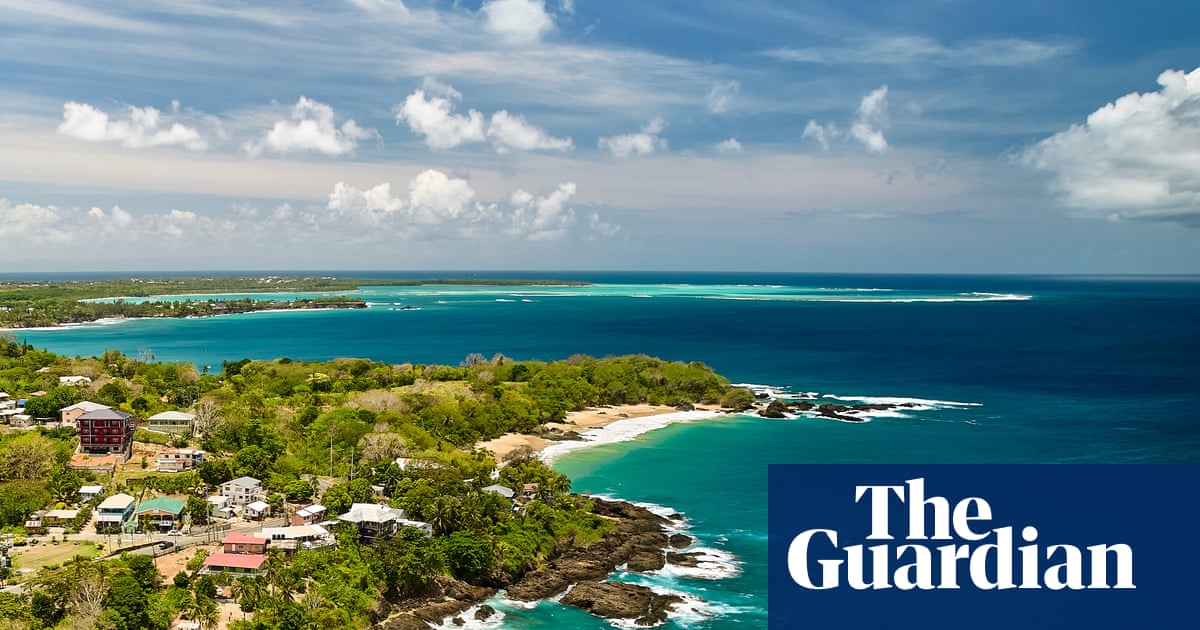
Portland
The legal challenge has resonated deeply within the community of Portland, a small, proud island off the Dorset coast. Cat Wightman, manager of bnb-side, describes the local sentiment as "pretty bitter," highlighting a broader frustration with the impact of large platforms like Airbnb on local economies. She notes that residents have witnessed small local hospitality businesses struggle and local people face difficulties affording homes, partly due to the proliferation of short-term rentals.
The community's resolve is strong, with Rocca Holly-Nambi stating, "It’s terrifying but we’re not going to back down. We do things differently here in Portland." This sentiment underscores a broader resistance to what is perceived as an attempt by a Silicon Valley giant to monopolize a common term, potentially at the expense of local enterprises and cultural initiatives. The case has become a symbol of local resilience against corporate overreach.
Key points
- bnb-side, a six-room B&B in Dorset, is in a legal battle with Airbnb over its use of 'bnb' in its name.
- The B&B was established in 2024 to generate almost half of the £250,000 annual turnover for the b-side arts festival.
- Airbnb claims consumer confusion, reputation damage, and financial profit misrepresentation due to the name.
- bnb-side argues 'bnb' is a universally recognized descriptive term for bed and breakfast, not a trademark infringement.
- Legal experts suggest Airbnb faces an 'uphill battle' as descriptive phrases are generally available for public use.
- Losing the case would force bnb-side to undertake costly rebranding, threatening the festival's financial stability.
If bnb-side wins, it could set a precedent protecting small businesses' right to use descriptive terms, fostering fair competition and supporting community-driven enterprises against larger corporate entities. This outcome would safeguard bnb-side's crucial funding for the b-side arts festival.
If Airbnb prevails, it could empower large corporations to monopolize common descriptive terms, potentially stifling small businesses and forcing bnb-side to incur significant rebranding costs, jeopardizing the b-side festival's primary income stream and future.