West’s xenophobia, cash woes present huge openings for Hong Kong, scholar says
A Kazakhstan university chief says Western hostility and funding strains are opening doors for Hong Kong higher education.
Intelligence analysis by GPT-5.4 Mini
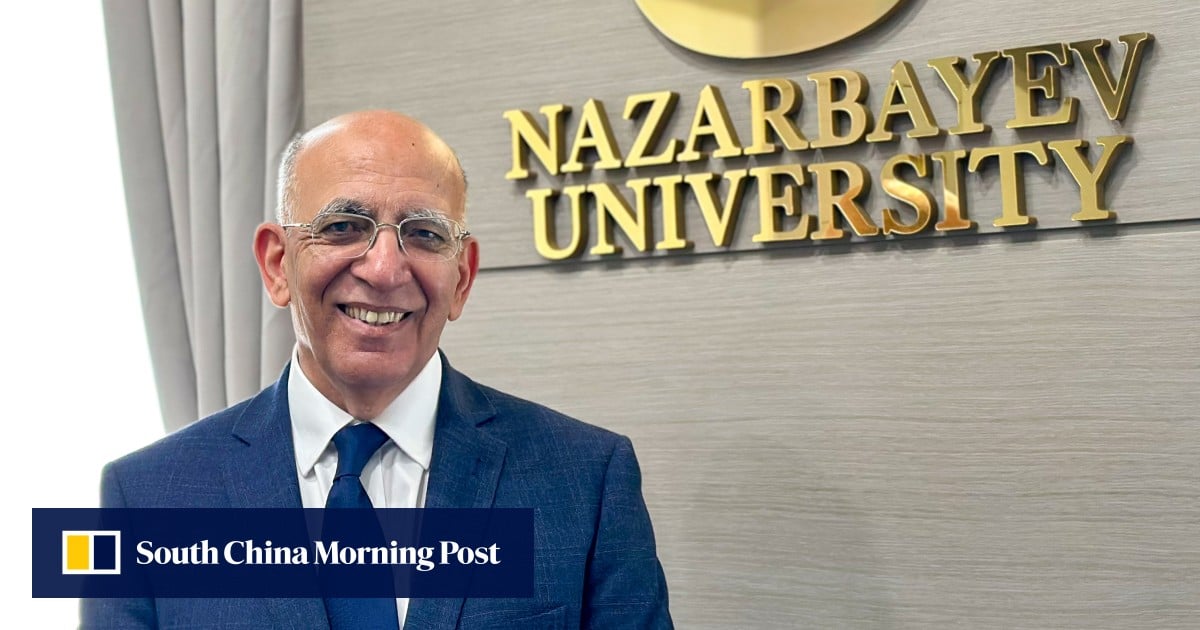
Nazarbayev University president Waqar Ahmad says anti-immigrant sentiment in the US and university funding problems in Britain are weakening the West’s pull on global students. He also says his school will launch another computer science and AI joint degree with PolyU next year.
A university boss says some students may look away from America and Britain because those places seem less welcoming or more expensive. That could help Hong Kong, like a shop getting more customers when a rival store has a long line and higher prices.
Analysis
A shift in student flows
Waqar Ahmad, president of Nazarbayev University in Kazakhstan, says the academic advantage long held by American and British universities is starting to weaken. In his view, xenophobic and anti-immigrant rhetoric in the US is making it harder to attract top international talent, while universities in Britain are being squeezed by serious financial problems.
Hong Kong’s opening
Against that backdrop, Ahmad says institutions in Hong Kong and the wider Eurasian region have a chance to pull in students and build new partnerships. The article frames this as a moment where Hong Kong can benefit from doubts about the West’s openness and affordability.
New PolyU partnership
Ahmad also said Nazarbayev University will soon launch another joint undergraduate programme with the Hong Kong Polytechnic University in computer science and artificial intelligence. Starting next year, students in the programme will spend two years in Astana and two years at PolyU, graduating with two separate degrees. That arrangement suggests a practical, cross-border model for attracting students who want international credentials without relying entirely on traditional Western destinations.
The piece is less about a single policy shift than about a competitive reordering in higher education. Hong Kong is presented as one of the places that could gain if the US and UK become less attractive to students and universities looking for global partners.
Key points
- A Kazakhstan university president says the West is losing appeal because of xenophobia and financial strain.
- He says this creates opportunities for Hong Kong and the broader Eurasian region.
- Nazarbayev University will launch another joint undergraduate programme with PolyU in computer science and AI.
- Students in the programme will study two years in Astana and two years in Hong Kong.
- The article frames the change as part of a wider shift in global higher education competition.
If the trend continues, Hong Kong universities could draw more international students and build more joint degrees with schools across Eurasia. Partnerships like the PolyU-Nazarbayev programme could make Hong Kong a more attractive place for students seeking global credentials.
If Western universities stabilize their finances and soften their rhetoric, the opening may narrow quickly. The partnership model also depends on sustained student interest and strong execution on both sides, which is not guaranteed.