Whale graveyard dating back five million years discovered
Scientists found a vast whale graveyard in the south-eastern Indian Ocean, with fossils as old as 5.3 million years.
Intelligence analysis by GPT-5.4 Mini
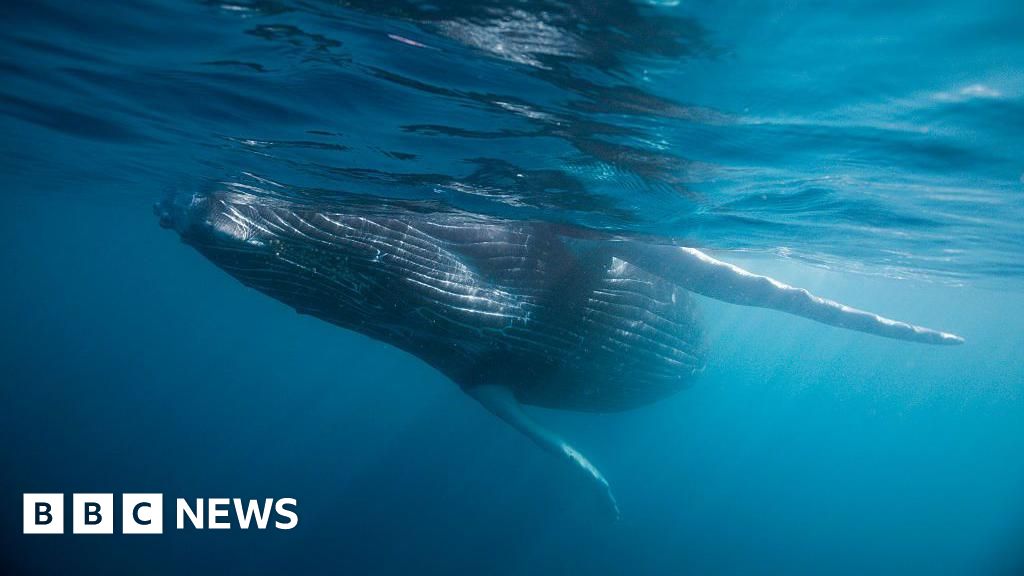
Researchers have uncovered an enormous, deep-sea whale graveyard in the Diamantina fracture zone, with remains stretching back millions of years. The site is also alive with unusual deep-ocean creatures, making it both a fossil record and a living ecosystem.
Scientists found a giant underwater graveyard for whales, like a very old cemetery at the bottom of the sea. It is so deep and so old that it can help them learn how whales lived long ago and what strange animals live around their bones today.
Analysis
What was found
A research team from China, Italy and New Zealand discovered an enormous whale graveyard in the south-eastern Indian Ocean, in the Diamantina fracture zone. BBC reports the site runs about 1,200km long and sits roughly 7km below the surface.
Why scientists are excited
The age of the remains is the main surprise. Some fossils date to about 5.3 million years ago, which makes the site unusually valuable for studying whale evolution and ancient marine life. During 32 dives, the team collected samples from 485 whale-fossil sites and from active whale falls, where carcasses on the seafloor support specialized life.
The discoveries included an extinct whale skull identified as Pterocetus benguelae and a new species named Pterocetus diamantinae after the site. The researchers also found a large Antarctic minke whale carcass and a community of organisms feeding around the remains, including jellyfish, worms and crustaceans.
What makes it notable
The article quotes one of the study authors, Xiaotong Peng of the Chinese Academy of Sciences, saying the scale, depth and age range were “far beyond anything we had imagined.” A Nature commentary by Stephen J Godfrey also calls it a “truly unique discovery” and suggests the site may contain many more finds.
The headline result is not just a pile of old bones. It is a rare window into a deep-sea environment where ancient fossils and modern scavenging communities exist side by side, offering clues about both past whale populations and the hidden ecology of the deep ocean.
Key points
- The graveyard is about 1,200km long and lies around 7km deep in the south-eastern Indian Ocean.
- Some of the whale remains date back 5.3 million years.
- Researchers from China, Italy and New Zealand made 32 dives and sampled 485 fossil and whale-fall sites.
- The team found an extinct whale skull and a new species named Pterocetus diamantinae.
- The site also supports deep-sea life such as jellyfish, worms and crustaceans.
If more dives are possible, the site could keep revealing new fossils and even more species that science has not named yet. It may also help researchers understand how deep-sea ecosystems grow around whale remains over very long periods.
The article notes that the site has limited accessibility, so much of it may stay hard to study. If that remains the case, important fossils and living communities there could be slow to document before they are fully understood.