What Do We Know About the Content of a Possible Iran-US Deal?
BBC Persian reports competing claims about a draft Iran-US deal, but says key details remain unconfirmed and contested.
Intelligence analysis by GPT-5.4 Mini
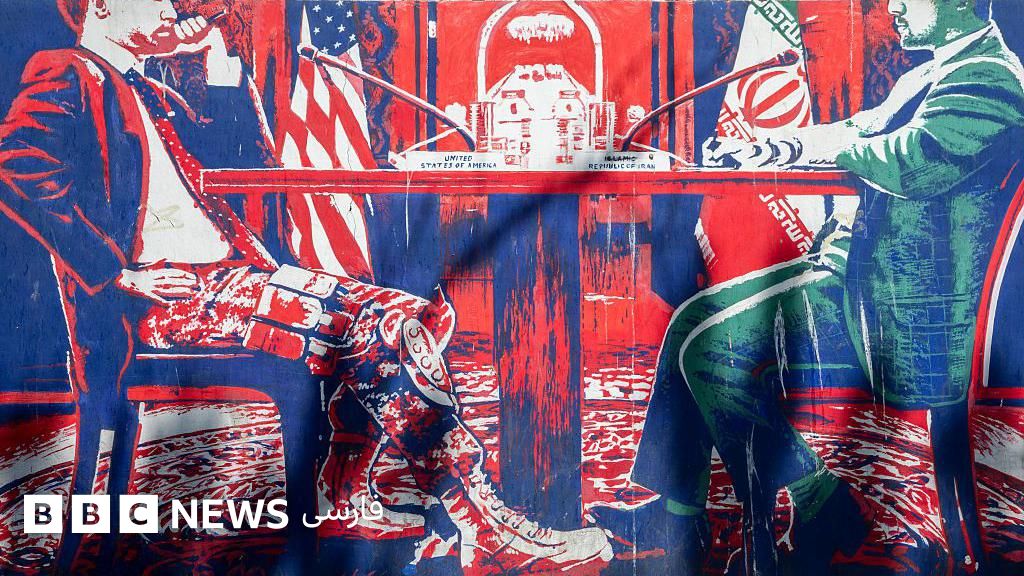
The article compares Iranian, American, and Axios accounts of a possible Iran-US agreement. It says the draft would cover a ceasefire, sanctions relief, assets, and a framework for nuclear talks, but the final text is still disputed.
The story is about two countries trying to agree on a big rule book. Parts of the rule book are said to cover fighting, money, and ships moving through a sea passage, but the final pages are still not settled.
Analysis
What the article says
BBC Persian says Donald Trump has claimed a deal with Iran is close, while Tehran says much of the final text has been settled but that Washington's contradictory positions are blocking agreement. The piece stresses that the public picture comes from media reports rather than an official full text.
Reported outline of the draft
According to Iran's IRNA, the draft would end fighting on all fronts in the region, including Lebanon. IRNA says nuclear issues are only mentioned briefly and without any commitment from Iran, while any nuclear talks would happen during a 60-day period after the memorandum is signed.
IRNA also says movement through the Strait of Hormuz would return to normal after the war ends and that the US would lift its blockade of Iran. It reports no Iranian commitment to hand over management of the strait or restore it to pre-war conditions. The outlet also says the future administration of the waterway would not be negotiated in the 60-day talks, and that Tehran would resolve the matter directly with Oman.
On frozen assets, IRNA says there would be a clear process for releasing Iranian funds, with some assets freed immediately and the rest gradually during the negotiations. It also says sanctions relief, nuclear پرونده issues, and compensation claims would be discussed in the 60-day follow-up talks.
Other reported details
Mehr adds claims not mentioned by IRNA: a US pledge to remove its forces from areas around Iran and not interfere in Iran's internal affairs, suspension of sanctions on oil and petrochemical sales, full Iranian access to its financial resources, and a US-and-allies reconstruction plan for Iran worth at least $300 billion. It also says Iran would repeat its NPT commitment not to produce nuclear weapons.
Axios, citing diplomats and US officials, says the preliminary deal was reached after hours of talks between Qatar's mediator Ali al-Dhuwadi and Iranian foreign minister Abbas Araghchi, with repeated calls to Steve Witkoff and Jared Kushner. Axios says the draft would extend the ceasefire for 60 days, include Lebanon, reopen the Strait of Hormuz without fees, and set a later framework for nuclear questions. It also reports that Iranian leaders have approved the deal, but that Mojtaba Khamenei may not yet have signed off.
The article closes by quoting Iranian foreign ministry spokesman Esmail Baghaei, who says claims about timing and location are only media speculation and that it is not useful to discuss signing before the responsible bodies finalize every part of the text.
Key points
- BBC Persian says the Iran-US deal is still only a reported draft, not a fully confirmed final agreement.
- IRNA says the draft would end regional fighting, including in Lebanon, and create a 60-day follow-up for talks.
- Reported terms include gradual release of frozen Iranian assets and possible sanctions relief.
- Axios says the draft would extend a ceasefire, reopen the Strait of Hormuz, and set a later framework for nuclear questions.
- Iranian officials quoted in the article say final approval has not yet been completed.
If the reported draft becomes a real agreement, it could pause fighting, ease pressure on shipping in the Strait of Hormuz, and open a path to releasing frozen Iranian assets. The article also says it could create a 60-day window for broader talks on nuclear and sanctions issues.
The draft is still unfinalized, and the article says contradictory US positions are already causing trouble. It also shows major unresolved issues, including sanctions, compensation, nuclear limits, and who would control the Strait of Hormuz.