What does Tyson’s shutdown of two US beef plants mean for grocery costs?
Tyson Foods is closing two beef plants and selling another, laying off hundreds of workers, due to a historic cattle shortage. Economists believe these specific closures won't significantly impact consumer beef prices, as the US has excess processing capacity.
Intelligence analysis by Gemini 2.5 Flash
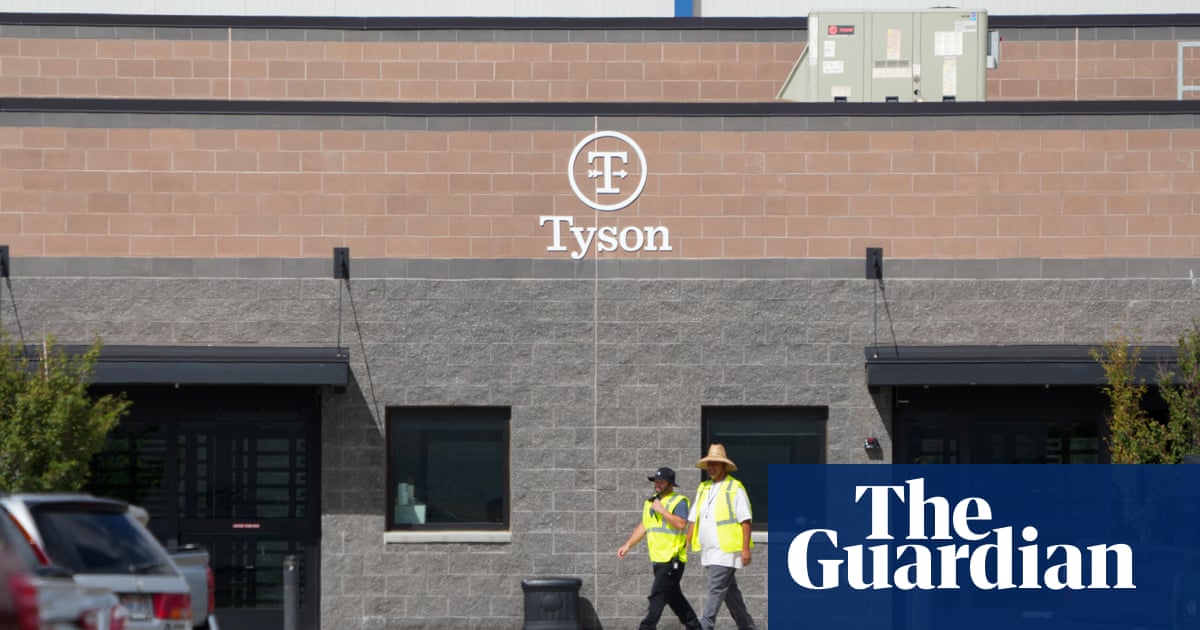
Tyson Foods, the largest US meatpacker, is shutting down facilities in Iowa and Utah and selling one in Washington, citing a 75-year low in cattle supply driven by drought and rising costs. Despite soaring beef prices, experts suggest these closures won't drastically affect grocery costs due to existing excess processing capacity in the industry.
Imagine a toy factory that makes too many toys but doesn't have enough plastic. Even if they close a small part of the factory, they still have plenty of other machines to make all the toys they *can* make with the plastic they have. That's like Tyson Foods closing some meat plants because there aren't enough cows, but other plants can still handle all the cows available, so your burger prices probably won't change much.
Analysis
75-year low
Tyson Foods, the largest meatpacking company in the United States, recently announced significant operational changes, including the closure of two facilities in Iowa and Utah, and the sale of another in Washington state. These actions are a direct response to a historic cattle shortage, which has reached a 75-year low. The scarcity of cattle is attributed to a confluence of factors, including a multi-year drought, escalating operational costs for ranchers, and increasing consolidation within the cattle ranching sector. This severe supply constraint has led to hundreds of layoffs and contributed to Tyson's reported $138 million beef operating loss in its third quarter.
The profound shortage of cattle has been a primary driver behind the soaring beef prices observed over the past year. Consumers have faced a 9% increase in beef costs, a jump that has outpaced general inflation. Despite these rising prices, the immediate impact of Tyson's specific plant closures on overall consumer grocery costs is not expected to be as severe as one might anticipate, according to economic analyses.
Glynn Tonsor
Agricultural economist Glynn Tonsor from Kansas State University explains that the US beef industry has maintained excess processing and packaging capacity for several years. This surplus capacity means that beef that would have been processed at the now-shuttered Tyson plants can simply be rerouted to other operational facilities. Tonsor notes that for the majority of the last four decades, the nation has possessed more capacity to harvest cattle than the available cattle supply.
This situation allows the industry to "right size" its operations in response to current and projected animal inventories without immediately disrupting the total volume of beef processed. While cattle producers located near the closed plants might incur slightly higher transportation costs, this adjustment is not expected to translate into a significant change in the overall price of beef for consumers. The closures reflect an industry adapting to a constrained supply rather than a fundamental breakdown in processing capability.
K-shaped economy
Beyond supply constraints, increased consumer demand for beef has also played a significant role in driving up prices. Josh Maples, an agricultural economist at Mississippi State University, highlights that the quality of beef has improved considerably, leading to favorable consumer responses and a broader "general protein craze" across the country. This heightened demand for beef has notably outpaced that for other meats like pork and chicken, which have seen price drops.
This willingness to pay higher prices for beef occurs amidst a period of rising general household expenses for many Americans, including increased costs for gas and housing. However, Tonsor points to a "K-shaped economy" where high-income earners are thriving, while those with fewer assets face greater financial strain. It is primarily these higher-income individuals, often benefiting from home ownership or stock market equity, who are maintaining the robust demand for beef, seemingly unfazed by elevated ribeye prices. Looking ahead, Maples expresses concern that the trend of plant closures could send "shock waves" through the industry, potentially deterring cow producers from expanding their herds in the future and leading to a long-term reduction in processing capacity.
Key points
- Tyson Foods is closing two beef plants and selling another due to a historic 75-year low in cattle supply.
- Hundreds of workers will be laid off as a result of these facility shutdowns.
- Economists believe these specific closures will not significantly impact consumer beef prices due to existing excess processing capacity in the US.
- Beef prices have already risen 9% over the last year, driven by increased consumer demand and a "K-shaped economy" where higher earners maintain spending.
- Concerns exist that a trend of closures could deter future cow production expansion, potentially affecting long-term industry capacity.
The industry's "right-sizing" could lead to more efficient operations in the long run, potentially stabilizing the market once cattle supplies recover. The existing excess processing capacity means that current closures won't immediately disrupt the overall beef supply to consumers.
The broader trend of facility closures and the "shock waves" they send could deter future expansion by cow producers, potentially leading to less processing capacity and higher prices down the line. The ongoing cattle shortage, exacerbated by drought and economic pressures, suggests continued volatility and potential for future supply constraints.