UK borrows more than expected in July as Healey prepares for first Budget
UK government borrowing in July exceeded expectations, reaching £1.8bn. This figure restricts Chancellor John Healey's fiscal flexibility ahead of his first Budget.
Intelligence analysis by Gemini 2.5 Flash Lite
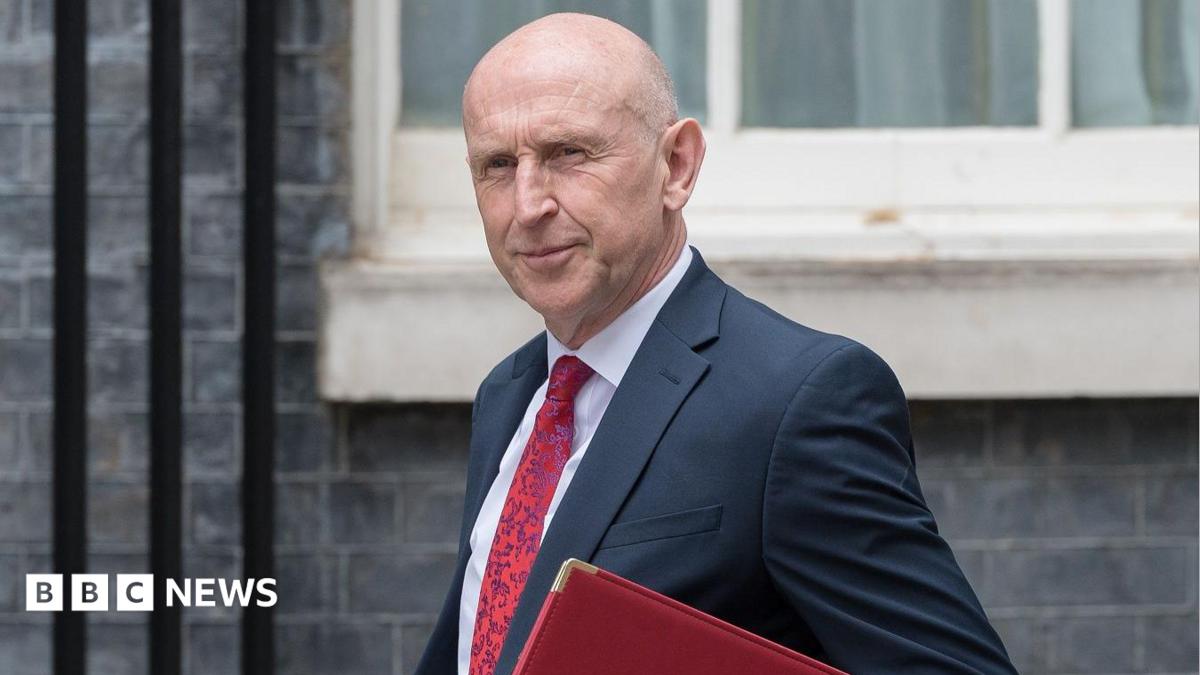
July's government borrowing of £1.8bn was higher than the £500m surplus forecast, signaling tighter fiscal constraints for Chancellor John Healey. Economists warn this limits options for cost-of-living measures in the upcoming Budget.
Imagine the government is like a household managing its money. In July, the government spent more than it earned, borrowing more money than expected. This makes it harder for the Chancellor to help people with rising prices or fund new projects without borrowing even more, which can worry people who lend money.
Analysis
July Borrowing Figures
The Office for National Statistics (ONS) reported that the UK government borrowed £1.8bn in July, a figure that significantly missed the £500m surplus predicted by official forecasters. This means the government borrowed £2.3bn more than anticipated. While this monthly figure is substantially lower than June's £16bn, which was boosted by a surge in self-assessed income tax receipts, economists caution that this is a typical seasonal pattern. The underlying trend suggests that public finances will face renewed pressure once this one-off boost dissipates.
Fiscal Discipline and Constraints
Chancellor John Healey has committed to "strong fiscal discipline" and has adopted his predecessor's fiscal rules, which aim to fund all day-to-day spending through tax receipts by the end of the decade. However, the recent borrowing figures, coupled with increased welfare spending—including benefits and state pensions which were £2bn higher than the previous year—restrict his room for manoeuvre. Economists like Ashley Webb from Capital Economics note a "run of bad news" for the economy, suggesting that the borrowing overshoot will likely widen as economic growth slows and the government implements further cost-of-living support measures.
Market Confidence and Debt
Joe Nellis, head of economic research at MHA, warns that these figures "will not prevent difficult decisions that must be made in the upcoming October Budget." Healey may need to seek additional tax revenue, implement tighter controls on public sector spending, or make other adjustments to meet the government's fiscal rules. Failure to do so could "unsettle the financial markets and potentially push up the cost of government borrowing still further," Nellis cautioned. The ONS also highlighted that the UK's overall debt pile is approaching £3tn, having grown by £127.2bn in the past year, adding another layer of concern for fiscal stability.
Key points
- UK government borrowing in July was £1.8bn, exceeding the forecast surplus of £500m.
- This deficit means the government borrowed £2.3bn more than predicted.
- Increased welfare spending contributed to the higher borrowing figures.
- Economists warn that this limits the Chancellor's options for the upcoming Budget.
- The UK's national debt is approaching £3tn.
Chancellor Healey's commitment to "strong fiscal discipline" and adherence to his predecessor's fiscal rules could lead to a more stable long-term economic outlook. By cutting the deficit faster than other G7 economies, the government aims to provide breathing room for cost-of-living measures and support youth employment, potentially fostering greater confidence in public finances.
The persistent higher-than-expected borrowing and the approaching £3tn debt pile suggest that the government may face significant challenges in meeting its fiscal targets. This could lead to difficult decisions regarding tax increases or spending cuts, potentially limiting support for households and unsettling financial markets, which could further increase the cost of government borrowing.