Why dodgy doors are the latest casualty of the UK heatwaves
UK heatwaves are causing a surge in locksmith callouts as doors, particularly uPVC and composite ones, swell and stick, making them difficult to open or lock.
Intelligence analysis by Gemini 2.5 Flash
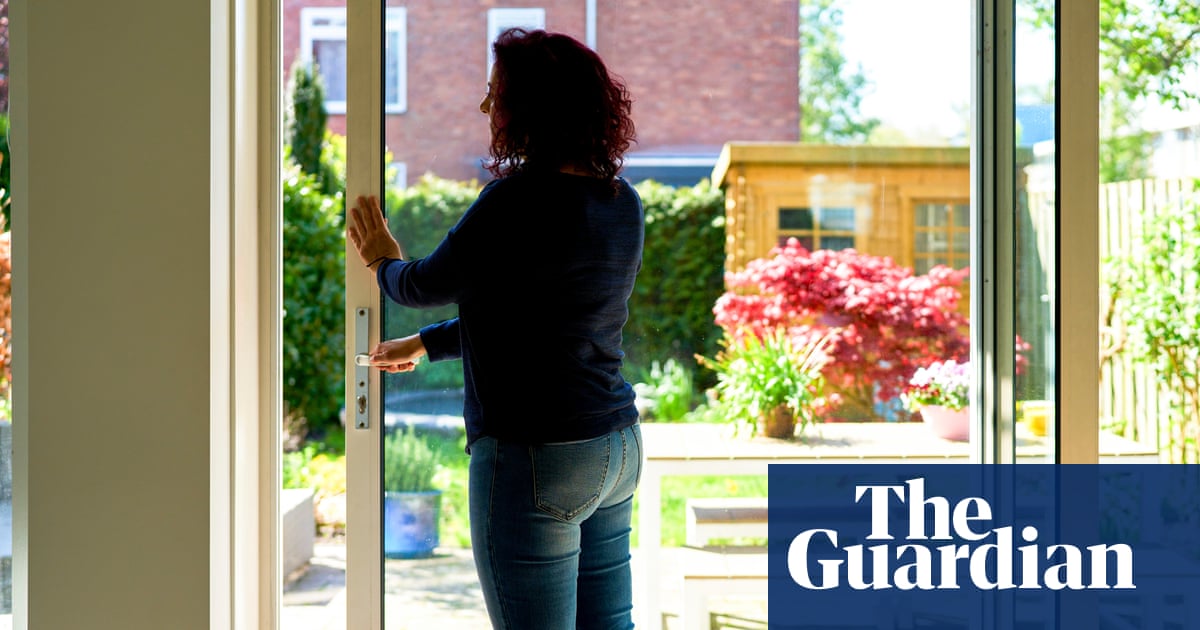
Extreme summer temperatures across the UK are causing widespread issues with doors expanding or contracting, leading to them binding with frames or straining locks. This phenomenon is driving a significant increase in demand for locksmith services, highlighting a common maintenance oversight exacerbated by climate conditions.
Imagine your toy blocks getting bigger when it's super hot outside, so they don't fit together anymore. That's what's happening to doors in the UK! The heat makes plastic doors swell up and wooden doors shrink, making them stick or hard to lock. Locksmiths are like special doctors for doors, helping them fit perfectly again so people can get in and out of their homes.
Analysis
The recent UK heatwaves have unveiled an unexpected, yet widespread, consequence for homeowners: an epidemic of "dodgy doors." This seemingly minor inconvenience carries broader economic implications, impacting household budgets, the construction and maintenance sectors, and highlighting the growing costs associated with climate change adaptation. Locksmiths across the country are reporting a significant surge in callouts, indicating a systemic issue rather than isolated incidents. The problem stems from the fundamental physics of material expansion and contraction under extreme temperatures, affecting both modern uPVC and traditional wooden doors.
Alan Hickman
Alan Hickman, a Bournemouth-based locksmith, exemplifies the immediate impact of these heat-related issues on local trades. His daily schedule has become significantly busier, with calls ranging from patio doors that won't close due to expansion to composite doors that refuse to lock. Hickman, who has worked with LockRite for 14 years, notes a "significant increase" in such heat-related service requests this summer. This surge in demand for locksmith services underscores a direct economic effect, providing increased work for skilled tradespeople but also imposing unexpected costs on homeowners.
The geographical spread of these issues is also notable, with Hickman navigating areas affected by forest fires, another consequence of the extreme heat. This dual impact of climate change – direct damage from fires and indirect stress on household infrastructure – creates a complex challenge for communities. The necessity for urgent repairs often means homeowners face unplanned expenses, diverting funds that might otherwise be spent on other goods or services, thus having a ripple effect on local economies.
Master Locksmith Association
The scale of the problem is corroborated by Steffan George, managing director of the Master Locksmith Association (MLA), a national trade body. George confirms that the pattern of increased door-related issues is replicated nationwide, particularly in regions experiencing the highest temperatures. The public's awareness and concern are evident from the viral success of an MLA Facebook post titled "Why is my uPVC door difficult to lock?", which garnered tens of thousands of views – 50 times its usual traffic. This indicates a widespread consumer problem, driving many to seek solutions and information.
George explains the underlying physics: heat causes materials like uPVC and components of composite doors to expand, leading them to bind with their frames and become difficult to operate. Darker, south-facing doors are particularly susceptible due to increased heat absorption. This highlights a vulnerability in common building materials to extreme weather events, suggesting that future construction and renovation projects may need to consider more resilient materials or designs to mitigate such climate-induced failures.
Shane Hales
Shane Hales, an MLA-affiliated locksmith in Sidcup, Kent, further elaborates on the material-specific challenges and the importance of maintenance. While plastic doors swell, traditional timber doors tend to shrink as moisture is drawn out by the heat, causing them to drop and strain locks. Hales reports a doubling of his heat-related door adjustment callouts, from four or five a week to around ten, illustrating the tangible increase in workload for individual tradespeople.
Hales emphasizes that while most sticking doors can be fixed by realignment or hinge adjustments, delaying professional help can lead to escalating costs. Forcing a misaligned door or lock can cause internal damage, turning a simple adjustment into a more expensive repair. This underscores a broader economic point: preventative maintenance, often neglected, becomes crucial in the face of environmental stressors. The article implicitly suggests that homeowners' long-term savings could be achieved through regular servicing, a practice often overlooked until a crisis hits.
Key points
- UK heatwaves are causing doors, particularly uPVC and composite types, to swell and bind with frames, making them difficult to open or lock.
- Locksmiths across the country are experiencing a significant increase in heat-related callouts, with some reporting double their usual workload.
- The problem is due to the expansion of plastic materials and the shrinkage of wooden doors in high temperatures, especially for south-facing or dark-colored doors.
- Delaying professional realignment or hinge adjustments can lead to more severe damage and higher repair costs.
- The issue highlights the importance of regular door maintenance, which many homeowners neglect for years.
The increased demand for locksmith services provides a boost to local trades, creating employment and revenue opportunities for skilled professionals. Furthermore, the widespread nature of the problem could raise public awareness about the importance of regular home maintenance, potentially leading to better-maintained properties in the long run.
Homeowners face unexpected and potentially escalating repair costs, especially if they delay professional help, which can strain household budgets. The recurring nature of extreme weather events suggests these issues may become more frequent, leading to ongoing maintenance burdens and potential damage to property if not adequately addressed.