What Is Analog TV And How Is It Different From Digital TV?
Analog TV transmits video and audio signals via Very High Frequency and Ultra High Frequency channels, while digital TV uses internet protocols to broadcast signals, offering improvements such as high definition television and more consistent feeds.
Intelligence analysis by Llama
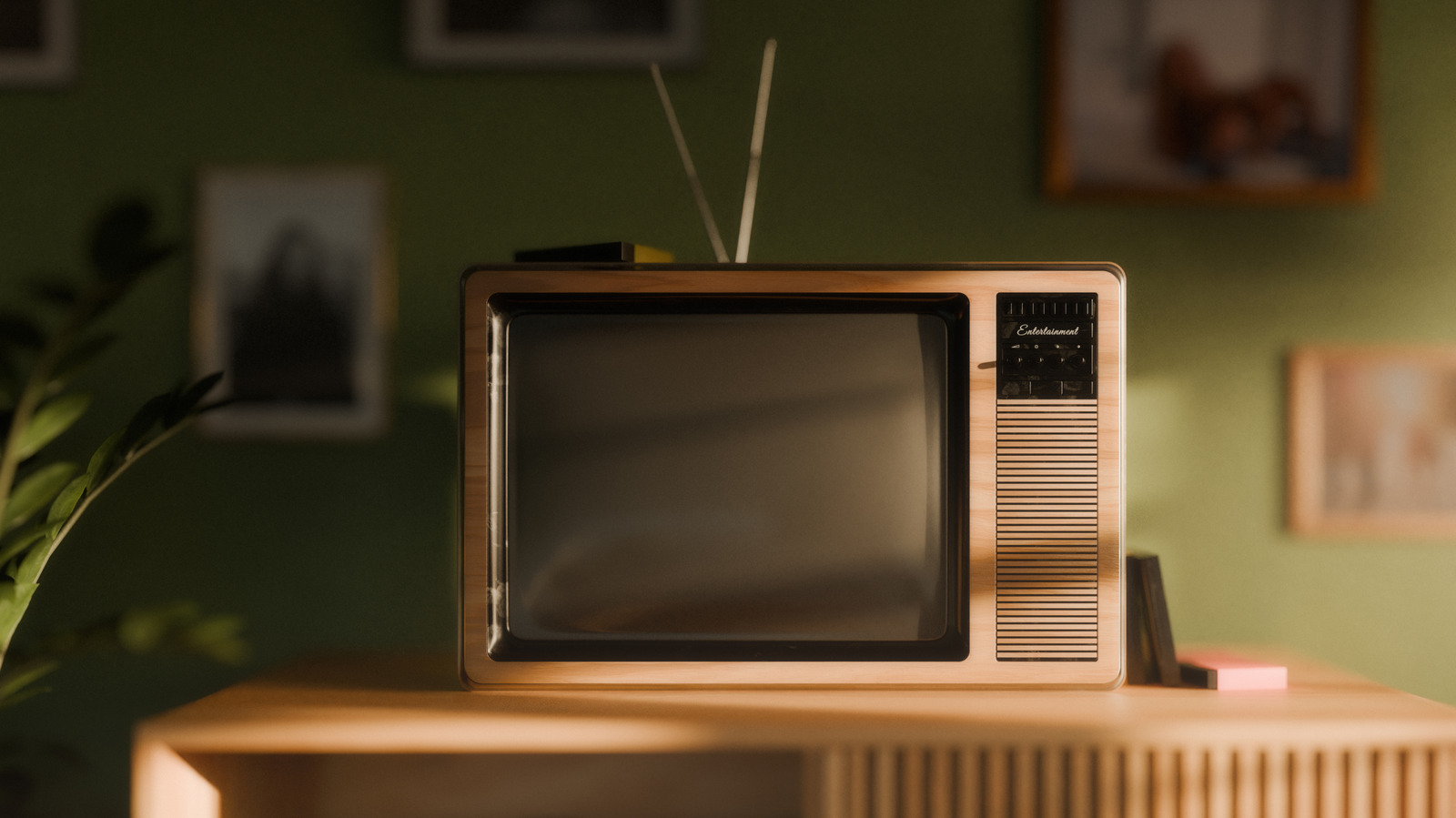
The transition from analog to digital TV has brought significant improvements, including high definition television and more consistent feeds. However, the introduction of NextGen Television, or ATSC 3.0, raises concerns about accessibility and the potential stripping of free television services.
Imagine you're watching a TV show, and the picture is all fuzzy and static-y. That's what analog TV is like. Digital TV is like watching a show on a computer, but on a big screen. It's clearer and better, and it's the future of TV.
Analysis
The Rise and Fall of Analog Television
Analog television has a rich history, dating back to the post-World War II era. It was a time when families would gather around the television to watch their favorite shows, often with static-riddled broadcasts. The technology behind analog TV was simple, relying on Very High Frequency and Ultra High Frequency channels to transmit video and audio signals. These signals were broadcast via local television stations, which viewers would receive via antennas that tapped into analog broadcasts. The transition to cable brought about a new era, with analog cables delivering these signals directly to viewer's television sets. However, as the years went by, analog TV began to fall out of favor. The FCC mandated that all stations fully transition to digital TV by 2009, marking the end of an era for analog television.
The Benefits of Digital TV
Digital TV, on the other hand, has brought about a significant improvement in picture and sound quality. With the introduction of high definition television, viewers can enjoy crystal-clear images and immersive audio experiences. Digital TV also offers more consistent feeds, reducing the likelihood of static-riddled broadcasts. The transition to digital TV has also enabled the introduction of new features, such as internet protocols, which allow for more efficient and reliable broadcasting.
The Concerns Surrounding NextGen Television
However, the introduction of NextGen Television, or ATSC 3.0, has raised concerns about accessibility. With the transition to digital TV, many viewers may lose access to free television services, particularly those who rely on over-the-air broadcasts. The concern is that a hasty transition could strip millions of viewers of their free TV services, leaving them with limited options for entertainment. As the television industry continues to evolve, it is essential to address these concerns and ensure that all viewers have access to quality entertainment options.
The Future of Television
As the television industry continues to evolve, it is clear that digital TV is the future. With its improved picture and sound quality, more consistent feeds, and new features, digital TV offers a superior viewing experience. However, it is also essential to address the concerns surrounding NextGen Television and ensure that all viewers have access to quality entertainment options. By doing so, we can create a more inclusive and accessible television industry that benefits all viewers.
Key points
- Analog TV transmits video and audio signals via Very High Frequency and Ultra High Frequency channels.
- Digital TV uses internet protocols to broadcast signals, offering improvements such as high definition television and more consistent feeds.
- The transition to digital TV has raised concerns about accessibility, particularly for viewers who rely on over-the-air broadcasts.
- The introduction of NextGen Television, or ATSC 3.0, has the potential to strip millions of viewers of their free TV services.
The transition to digital TV offers a superior viewing experience, with improved picture and sound quality, more consistent feeds, and new features. As the industry continues to evolve, it is likely that digital TV will become the norm, providing viewers with a more inclusive and accessible entertainment option.
The introduction of NextGen Television, or ATSC 3.0, raises concerns about accessibility, with the potential for millions of viewers to lose access to free television services. If not addressed, this could lead to a fragmented and unequal television industry, where only those with the means can access quality entertainment options.


