What to know about the Trump administration's claim that 250K non-citizens are registered to vote in 4 states
Trump officials say 250,000 non-citizens are on voter rolls in four states, but they have not shown their math. CBS News says the method could overstate the problem.
Intelligence analysis by GPT-5.4 Mini
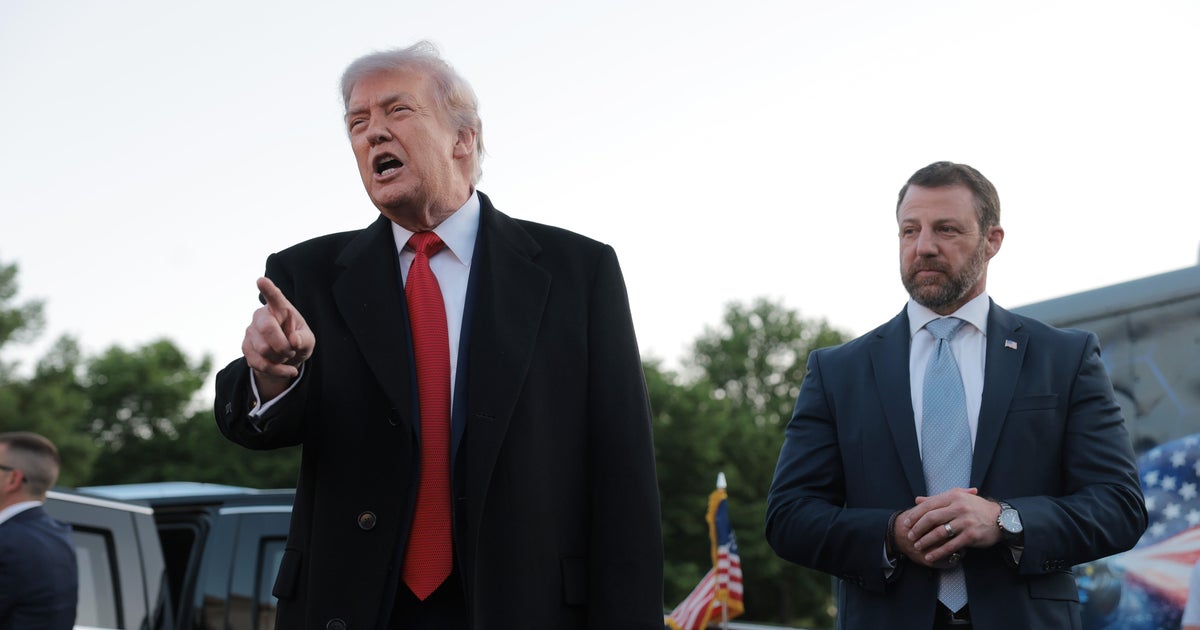
The White House is using election-security claims to push states, courts and Congress toward stricter voting rules. But the article says the administration has not publicly explained its estimate, and experts warn the data may contain many false positives.
This is about a big claim that some people who should not be allowed to vote are on voter lists. The problem is that the government has not shown how it got the number, and bad lists can be like mixing up kids with the same name at school.
Analysis
A Big Number With Thin Public Proof
The administration’s claim is politically potent because it sounds precise: 250,000 alleged non-citizen registered voters across California, Pennsylvania, New Jersey and Nevada. But the article makes clear that the public has not been shown the underlying methodology, only a White House official’s explanation that the estimate came from commercial databases.
That matters because voter-roll matching is messy even in the best circumstances. Names can repeat, records can be outdated, and data from different systems often do not line up cleanly. When the government turns an incomplete list into a sweeping accusation, the risk is not just error. It is that eligible voters get treated like evidence of fraud.
Why Election Experts Are Pushing Back
CBS quotes David Becker of the Center for Election Innovation and Research saying the data likely includes many people who are fully eligible to vote. His point is not that voter rolls should never be checked. It is that broad database matching can overstate the scale of a problem and create “false positives” that look alarming but do not hold up under scrutiny.
The article also notes that confirmed cases of non-citizens voting are exceedingly rare. That does not mean the issue is impossible, but it does suggest the gap between rhetoric and documented evidence is large. In election politics, that gap matters because the loudest claims often drive policy faster than the evidence can catch up.
The Policy Fight Behind the Numbers
The numbers are not happening in a vacuum. Trump has already signed executive orders aimed at tightening mail voting and requiring documentary proof of citizenship to register for federal elections, though courts have blocked them. The Justice Department is also suing states for voter rolls, and the White House is pressing Congress on the SAVE America Act.
So the real story is not only whether the 250,000 figure is accurate. It is how the administration is using that figure to justify a broader effort to reshape election rules. If the claim proves weak, it could undermine the case for tighter federal controls. If states and federal agencies keep escalating without clearer evidence, the result could be more litigation, more confusion and less public trust in the system.
Key points
- Trump officials say more than 250,000 non-citizens are registered in four states, but they have not publicly explained the methodology.
- CBS News says the estimate was based on commercial databases and could include many false positives.
- Experts cited in the article say confirmed cases of non-citizen voting are rare.
- The dispute is part of a broader push by Trump to tighten voting rules and expand federal oversight of elections.
- Several states are resisting federal demands for voter data, while Pennsylvania says its rolls are properly maintained.
If states and federal officials compare records carefully, they could catch real mistakes and make voter rolls cleaner. A transparent review could also calm public doubts by showing exactly what is true and what is not.
If the estimate is built on shaky data, eligible voters could be wrongly flagged or removed from rolls. The fight could also deepen distrust in elections and fuel more court battles over voting rules.