What Turkey’s Upgrade to Asean Dialogue Partner Status Means
Turkey has been upgraded to Asean dialogue partner status, marking its bid to position itself as a middle power. The upgrade breaks a moratorium in place since the UK's admission in 2021.
Intelligence analysis by Llama
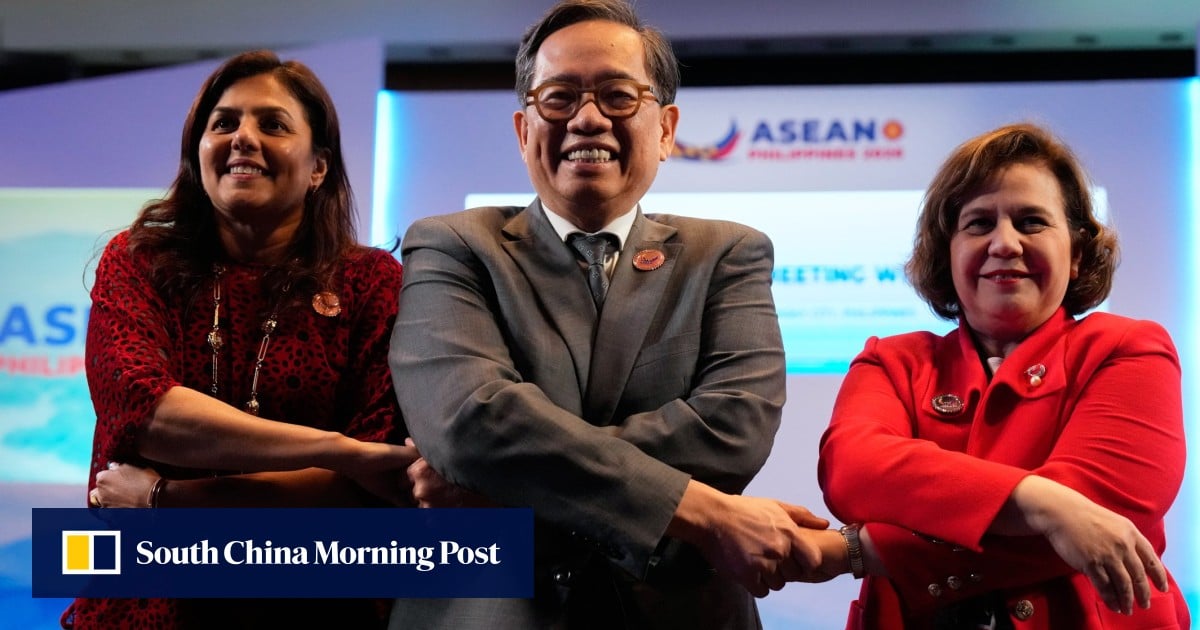
Turkey's upgrade to Asean dialogue partner status is a significant development in its relationship with Asia-Pacific countries. The move is seen as a bid to position itself as a middle power, with analysts noting the country's increased cooperation with Asean members and its growing trade volume.
Turkey has become a special friend to a group of countries in Southeast Asia called Asean. This means Turkey will work more closely with these countries and trade with them more. It's like making new friends and doing business with them.
Analysis
A New Era in Turkey-Asean Relations
Turkey's upgrade to Asean dialogue partner status marks a significant shift in its relationship with the region. The move is seen as a bid to position itself as a middle power, with analysts noting the country's increased cooperation with Asean members and its growing trade volume.
Turkey's relations with the bloc began with the signing of the Treaty of Amity and Cooperation in 2010. It was later conferred sectoral dialogue partner status in 2017. The country enjoys strong trading ties in the region – particularly with Malaysia, Vietnam, Indonesia, Thailand, and Singapore. Malaysia serves as coordinator for Asean-Turkey relations.
The upgrade on July 21 breaks an Association of Southeast Asian Nations moratorium in place since the UK's admission in 2021. Turkey joins the US, China, Russia, Britain, Australia, Japan, and South Korea. Turkish Foreign Minister Hakan Fidan said Ankara had increased its cooperation with Asean members and raised trade volume from US$6.5 billion to US$16 billion since 'laying the foundation of our institutional relations with Asean in 2010'.
The implications of Turkey's upgrade to Asean dialogue partner status are significant. It highlights the growing importance of the Asia-Pacific region in global affairs and underscores Turkey's bid to position itself as a middle power. The move is also seen as a strategic shift in Turkey's foreign policy, with analysts noting the country's increased engagement with the region.
What Does This Mean for Turkey?
Turkey's upgrade to Asean dialogue partner status has significant implications for the country's position in the region. It highlights Turkey's growing importance in the Asia-Pacific region and underscores its bid to position itself as a middle power. The move is also seen as a strategic shift in Turkey's foreign policy, with analysts noting the country's increased engagement with the region.
The Road Ahead
The upgrade to Asean dialogue partner status marks a significant shift in Turkey's relationship with the region. The move is seen as a bid to position itself as a middle power, with analysts noting the country's increased cooperation with Asean members and its growing trade volume. The implications of this move are significant, and it will be interesting to see how Turkey's relationship with the region evolves in the coming years.
Key points
- Turkey has been upgraded to Asean dialogue partner status, marking its bid to position itself as a middle power.
- The upgrade breaks a moratorium in place since the UK's admission in 2021.
- Turkey joins the US, China, Russia, Britain, Australia, Japan, and South Korea as Asean dialogue partners.
- Turkey's relations with the bloc began with the signing of the Treaty of Amity and Cooperation in 2010.
- The country enjoys strong trading ties in the region – particularly with Malaysia, Vietnam, Indonesia, Thailand, and Singapore.
Turkey's upgrade to Asean dialogue partner status could lead to increased trade and investment between Turkey and Asean countries. This could also lead to greater cooperation on regional issues and a stronger presence for Turkey in the Asia-Pacific region.
However, the upgrade to Asean dialogue partner status could also lead to increased competition for Turkey in the region. Other countries, such as China and the US, may view Turkey's move as a challenge to their influence in the region.