What Was Cartaz and Why Did 16th-Century Merchants Need It to Pass Through the Strait of Hormuz?
Cartaz was a permit issued by the Portuguese to merchants who wanted to pass through the Strait of Hormuz. The permit ensured the merchants' safety and allowed them to trade freely. The concept of cartaz has been revived in modern times, with the Iranian government imposi…
Intelligence analysis by Llama
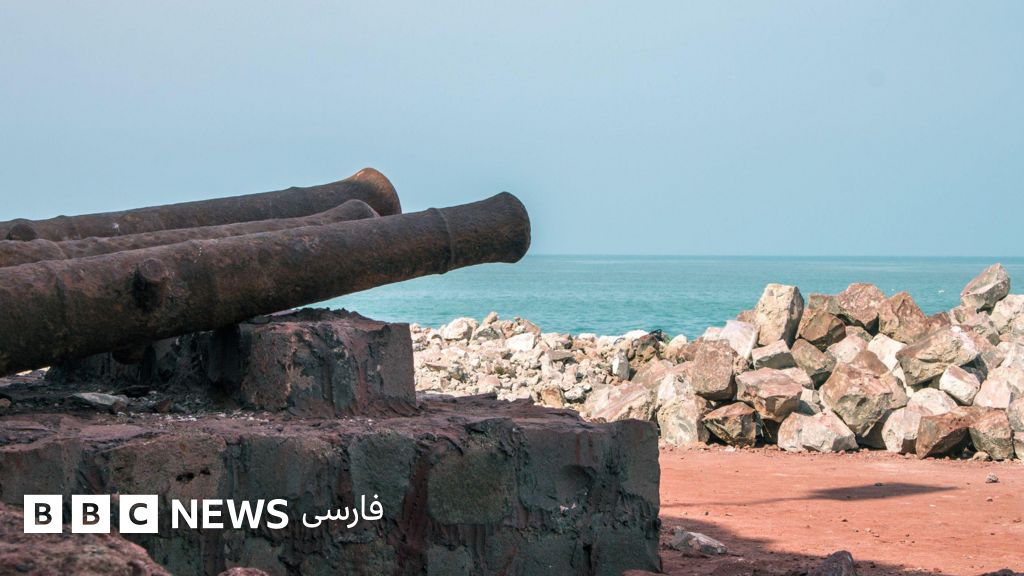
The Portuguese issued cartaz permits to merchants who wanted to pass through the Strait of Hormuz, ensuring their safety and allowing them to trade freely. The concept of cartaz has been revived in modern times, with the Iranian government imposing fees on ships passing through the strait.
Imagine you're a merchant who wants to sail through a narrow waterway called the Strait of Hormuz. To make sure you're safe and can trade freely, you need to get a special permit called a cartaz. This permit was first used by the Portuguese in the 16th century, and it's still used today by the Iranian government. The cartaz ensures that ships can pass through the strait without being attacked or interfered with, and it also helps to regulate trade in the region.
Analysis
Cartaz: A Historical Perspective on Maritime Trade Control
The concept of cartaz, or a permit issued by the Portuguese to merchants who wanted to pass through the Strait of Hormuz, has a rich history dating back to the 16th century. The Portuguese, who had established a presence in the region, issued cartaz permits to merchants who wanted to trade freely in the area. The permits ensured the merchants' safety and allowed them to trade without fear of attack or interference from the Portuguese.
The concept of cartaz has been revived in modern times, with the Iranian government imposing fees on ships passing through the Strait of Hormuz. This has raised concerns about the potential for conflict and the impact on global trade. The Iranian government has argued that the fees are necessary to ensure the safety of ships passing through the strait, while critics have argued that the fees are a form of protectionism that could harm global trade.
The History of Cartaz
The concept of cartaz has its roots in the 16th century, when the Portuguese established a presence in the region. The Portuguese issued cartaz permits to merchants who wanted to trade freely in the area, ensuring their safety and allowing them to trade without fear of attack or interference from the Portuguese. The permits were typically valid for a year and were issued based on the type of cargo being carried and the destination of the ship.
The concept of cartaz was not unique to the Portuguese. Other European powers, such as the Dutch and the English, also issued similar permits to merchants who wanted to trade in the region. However, the Portuguese were the first to establish a system of cartaz permits, and their system became the model for other European powers.
The Modern-Day Implications of Cartaz
The concept of cartaz has implications for modern-day trade and diplomacy in the region. The Iranian government's imposition of fees on ships passing through the Strait of Hormuz has raised concerns about the potential for conflict and the impact on global trade. The fees have been criticized by some as a form of protectionism that could harm global trade, while others have argued that the fees are necessary to ensure the safety of ships passing through the strait.
The implications of cartaz are not limited to the Iranian government's imposition of fees. The concept of cartaz also has implications for the global trade in oil and other commodities. The Strait of Hormuz is a critical waterway for the global trade in oil, and any disruption to the flow of oil through the strait could have significant implications for the global economy.
Conclusion
The concept of cartaz has a rich history dating back to the 16th century. The Portuguese issued cartaz permits to merchants who wanted to trade freely in the region, ensuring their safety and allowing them to trade without fear of attack or interference from the Portuguese. The concept of cartaz has been revived in modern times, with the Iranian government imposing fees on ships passing through the Strait of Hormuz. The implications of cartaz are significant, with potential implications for global trade and diplomacy in the region.
Key points
- Cartaz was a permit issued by the Portuguese to merchants who wanted to pass through the Strait of Hormuz.
- The permit ensured the merchants' safety and allowed them to trade freely.
- The concept of cartaz has been revived in modern times, with the Iranian government imposing fees on ships passing through the Strait of Hormuz.
- The implications of cartaz are significant, with potential implications for global trade and diplomacy in the region.
The Iranian government's imposition of fees on ships passing through the Strait of Hormuz could lead to increased cooperation between Iran and other countries in the region. This could result in increased trade and economic growth for the region, as well as improved relations between Iran and its neighbors.
The Iranian government's imposition of fees on ships passing through the Strait of Hormuz could lead to increased tensions between Iran and other countries in the region. This could result in a decrease in trade and economic growth for the region, as well as improved relations between Iran and its neighbors.