What's Causing Record High US Beef Prices?
US beef prices soar with fewer cattle and rising costs, affecting farmers and meatpackers.
Intelligence analysis by Qwen 2.5 (3B)
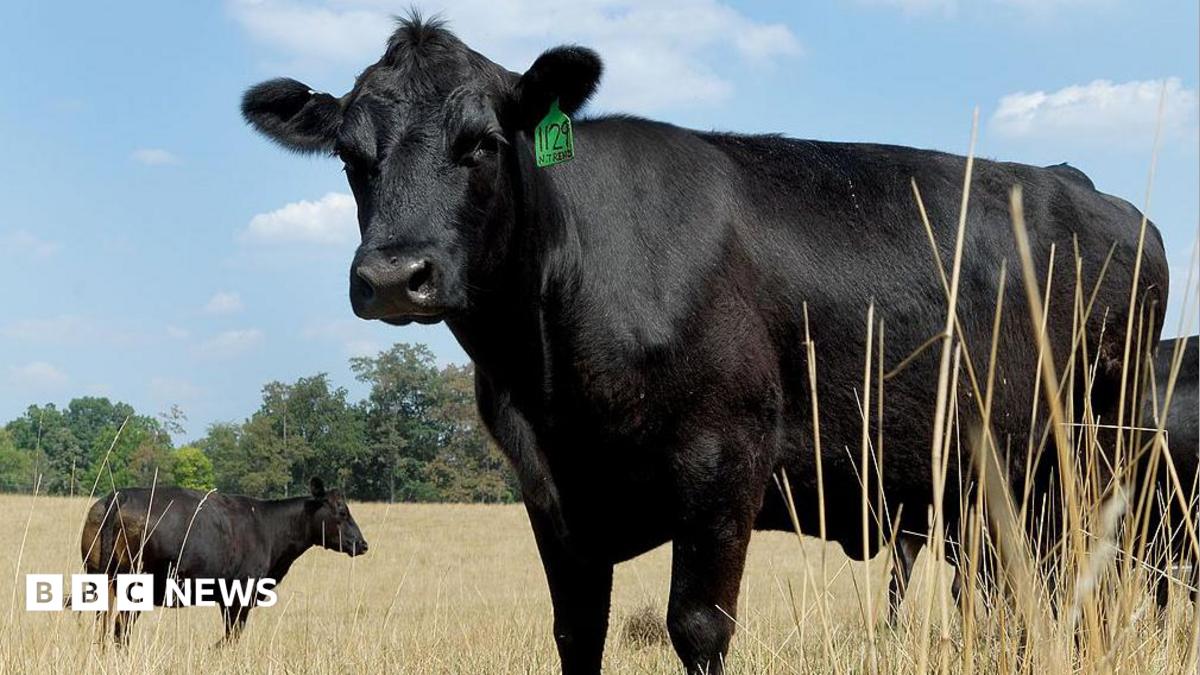
Record high US beef prices are driven by a shortage of cattle due to drought and disease pressure. Farmers like Eric Gropper are selling calves for record highs but facing increased input costs.
US farmers are selling their cattle at very high prices because there aren't enough cows. But they're spending more money on things like water, feed, and equipment. So even though they sell more, they don't make as much profit.
Analysis
{"# A Drought-Driven Shortage of Cattle":"- The US cattle population has dropped to its lowest level since 1951 due to drought conditions in many states. Gropper's ranch is experiencing severe drought, with wells running dry and hay prices soaring.\n","- Farmers like Gropper are selling calves at record highs ($2,500 for a 600lb calf), but their costs have also skyrocketed. Gropper notes that input costs have increased by over $100,000 for his new pickup truck and fence posts.\n\n# Rising Costs in the Feedlot":"- The feedlot sector is experiencing record-high prices for cattle, yet they are buying them at all-time highs. This results in no additional profits for these companies.\n","- Companies like Tyson, JBS, Cargill, and National Beef control 85% of American beef processing. Despite high prices, they face challenges due to market concentration and the ability of consumers to switch to cheaper alternatives such as chicken or imported beef.\n\n# Meatpacking Challenges":"- Meatpackers are struggling with low capacity utilization at their plants, leading to significant losses. For example, Harpley's Meatpacking in North Carolina is running at just 350 cattle per day instead of its full capacity of 425-450.\n","- The Urban family at Block 16, a burger restaurant in Nebraska, notes that beef prices have risen from $8.95 to $11.95 over the years, limiting their profit margins despite higher prices for beef.\n\n# Consumer Impact":"- Consumers are not seeing price increases due to the availability of alternative meats like chicken or imported beef. This limits the potential profits for meatpackers and restaurants."}
Key points
- US beef prices have reached record highs due to a shortage of cattle
- Farmers are selling calves at record prices but facing increased input costs
- Meatpackers are struggling with low capacity utilization despite high prices for live animals
- Consumers can switch to cheaper alternatives like chicken, limiting the impact on meatpacking companies
If the drought conditions improve and new cattle can be brought into the market, beef prices might stabilize or decrease slightly.
If drought continues to affect cattle numbers and input costs remain high, farmers may struggle to cover their expenses and could face further losses.