When Hair Is Not Just Hair: What Does a New Advance in Hair-Loss Treatment Mean for Women?
Japanese researchers say they have rebuilt the full hair-growth cycle in mice, a step that could one day help women facing hair loss from cancer, alopecia, or aging.
Intelligence analysis by GPT-5.4 Mini
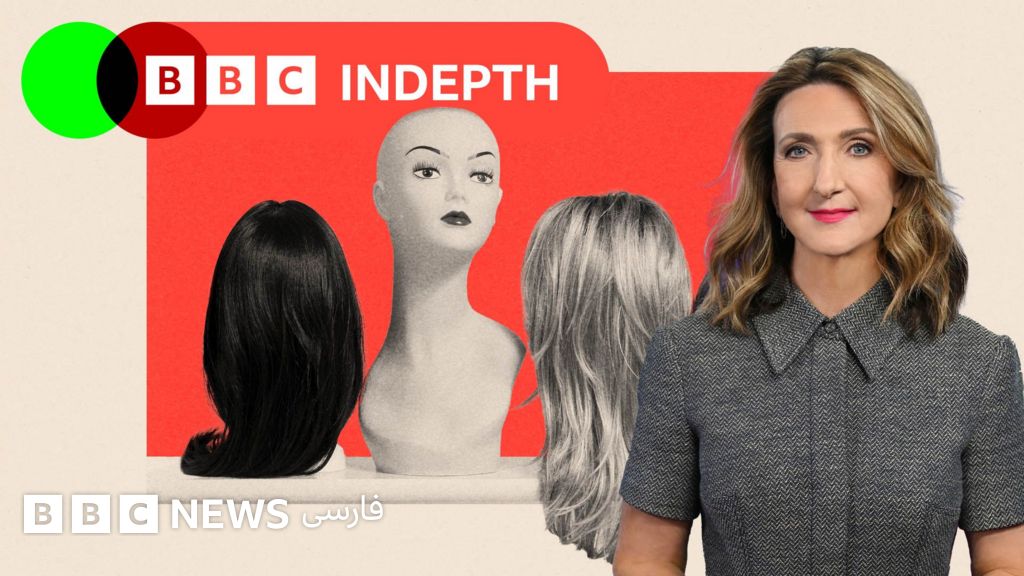
The article pairs a personal account of chemotherapy-related hair loss with a new Japanese research advance that could make hair regrow in a more natural cycle. Its core point is that hair loss is not just cosmetic; for many women, it is tied to identity, control, and dignity.
The article says scientists may have found a better way to help hair grow back after it falls out. It matters because hair can feel like part of a person’s identity, not just something on the head.
Analysis
What the research claims
Scientists in Japan, led by Professor Takashi Tsuji, say they have taken a major step toward treating hair loss by recreating the full hair-growth cycle in mice. In practical terms, that means hair can grow, fall out, and grow back again in a more natural loop.
Why that matters
The article notes that making transplanted hair grow is one thing, but rebuilding follicles that behave like normal body hair is much harder. That distinction matters because a lasting treatment would need hair follicles to keep cycling, not just produce a one-off patch of growth.
Hair as identity, not decoration
The story is built around the idea that hair is rarely “just hair.” Victoria Derbyshire describes losing her own hair during chemotherapy and says it felt worse to her than a mastectomy because hair had been part of how she understood herself. Other women interviewed echo that view, saying hair loss can affect identity, control, and how visible illness becomes to others.
The piece also places that emotional reaction in historical context. Across different eras, hairstyles and forced shaving have been linked to status, gender, power, humiliation, and attempts to strip people of dignity. That helps explain why hair loss can feel deeply personal rather than merely cosmetic.
The broader takeaway
The article’s promise is cautious, not triumphant. The research is presented as an encouraging advance, especially for women dealing with cancer treatment, alopecia, or age-related thinning. But the work is still at the stage of animal research, so the distance between a mouse study and a usable human treatment remains significant.
Key points
- Japanese researchers say they have recreated the full hair-growth cycle in mice.
- The advance could matter for women dealing with chemotherapy-related hair loss, alopecia, or aging.
- The article argues that hair loss is often tied to identity, control, and dignity, not just appearance.
- Historical examples show that shaving hair has often been used to humiliate or strip people of status.
- The research is promising, but it is still far from a proven human treatment.
If the research eventually works in people, it could offer a more natural way to restore hair for women affected by chemotherapy, alopecia, or aging. That would also mean hair could keep growing and renewing instead of being a one-time fix.
The biggest risk is that results in mice may not translate into a safe or effective treatment for humans. Even if the science advances, it may still take years before any therapy is practical, affordable, or widely available.