When the Sea Swallows History: Will Failaka Island in the Persian Gulf Go Underwater?
Low-lying Failaka Island in Kuwait is facing rising seas, and studies warn parts of it could flood in coming decades.
Intelligence analysis by GPT-5.4 Mini
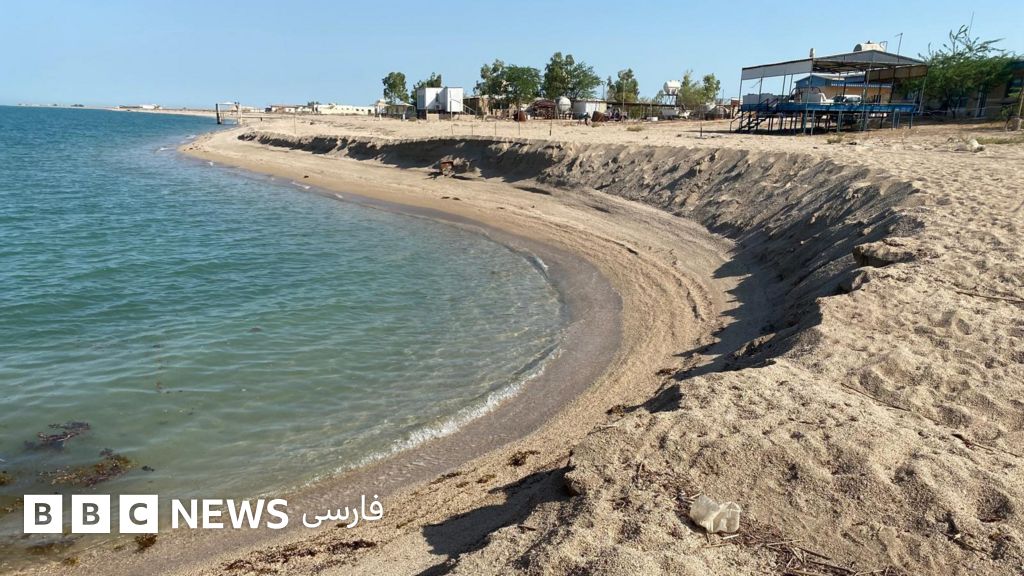
Failaka Island is both an inhabited memory and an archaeological site, but climate-driven sea-level rise is putting its low-lying land at risk. The article combines one resident’s fears with scientific studies that map how much of the island could be submerged.
Failaka Island is like a storybook island sitting very close to the waterline. As the sea gets higher, parts of the island may slowly disappear, including old places where people once lived and built things.
Analysis
A low island under pressure
Failaka Island sits about 20 kilometers off Kuwait City and has long been known for its historical and archaeological importance. The article says the island was continuously inhabited from pre-Islamic times through the Hellenistic period and into the early Islamic era, which makes it more than just a stretch of land: it is also a record of human settlement.
What the studies say
Researchers cited in the piece describe Failaka as especially vulnerable because much of it lies at a low elevation. A 2014 study by the Kuwait Institute for Scientific Research examined sea-level-rise scenarios from one to five meters. It found that a three-meter rise could flood about 75 percent of the island, while a five-meter rise could submerge roughly 90 percent.
A later 2020 study by Kuwaiti researcher Jassim Al-Bannai, working at Oxford University, looked more closely at the island’s terrain. It concluded that a one-meter rise could put 31 percent of Failaka at flood risk, two meters could affect 54 percent, and three meters could threaten 87 percent. The eastern coast was identified as the most vulnerable area.
The human side
The article centers on Hasan Alfailakawi, one of the island’s few residents, who says he tries to spend as much time there as possible because he fears the island’s life may be running out. He connects the science to daily observation, saying winter flood-prone periods now last longer than they used to.
Why this matters beyond one island
Failaka has had no permanent residents since 1990, after Iraq’s invasion of Kuwait forced people to leave. Since then, it has functioned more as an open-air archaeological landscape than a lived-in community. That makes the risk doubly significant: rising seas could damage both environmental space and cultural memory.
Key points
- Failaka Island in Kuwait is low-lying and vulnerable to sea-level rise.
- The island has major archaeological importance and was inhabited across several historical eras.
- A 2014 study warned that a three-meter rise could flood about 75 percent of the island.
- A 2020 study found that even a one-meter rise could put 31 percent of the island at flood risk.
- One resident says winter high-water periods now last longer than they used to.
If sea-level rise is limited and protection plans work, Failaka’s historic sites could be shielded from the worst flooding. The studies cited in the article also give Kuwaiti planners a map for focusing defenses on the most vulnerable areas, especially the east coast.
If sea levels keep rising quickly, large parts of the island could flood and damage archaeological remains. The article’s higher-end scenarios suggest that much of Failaka could become increasingly hard to protect, especially if warming and ice melt continue accelerating.