Where will Andy Burnham find the money to fund his spending pledges?
Andy Burnham has made lowering the cost of living his first major policy announcement in government, with an immediate tax cut to remove VAT on energy bills. However, he is under close scrutiny over how his plans will be funded.
Intelligence analysis by Llama
Andy Burnham has announced a tax cut to remove VAT on energy bills, but is under pressure to explain how he will pay for his spending pledges.
Andy Burnham, the new prime minister, has announced a tax cut to help people with energy bills. However, he needs to find a way to pay for it, and some people are worried that it might not be the best solution.
Analysis
A £60B Vote of Confidence
Andy Burnham's decision to cut VAT on energy bills has sparked concerns over how he will fund his spending pledges. The move is expected to cost around £850m in 2026-27, which is a significant amount considering the UK's already elevated borrowing and debt levels. The government has announced that the cut will be funded through the cancellation of Keir Starmer's digital ID programme, which was going to cost £1.8bn over the next three years. However, some experts have questioned this plan, suggesting that Labour's digital ID scheme itself was 'unfunded'.
Why the VAT Cut is a Problematic Solution
The VAT cut on energy bills is a poorly targeted measure, as it will benefit rich households as well as poor. It will also subsidise consumption that might have been cut back by those who were able to. Helen Miller, the director of the Institute for Fiscal Studies, has said that 'if the goal is to help low-income households, a VAT cut is a poor lever since the biggest cash gains will go towards richer households'.
Defence Spending Boost
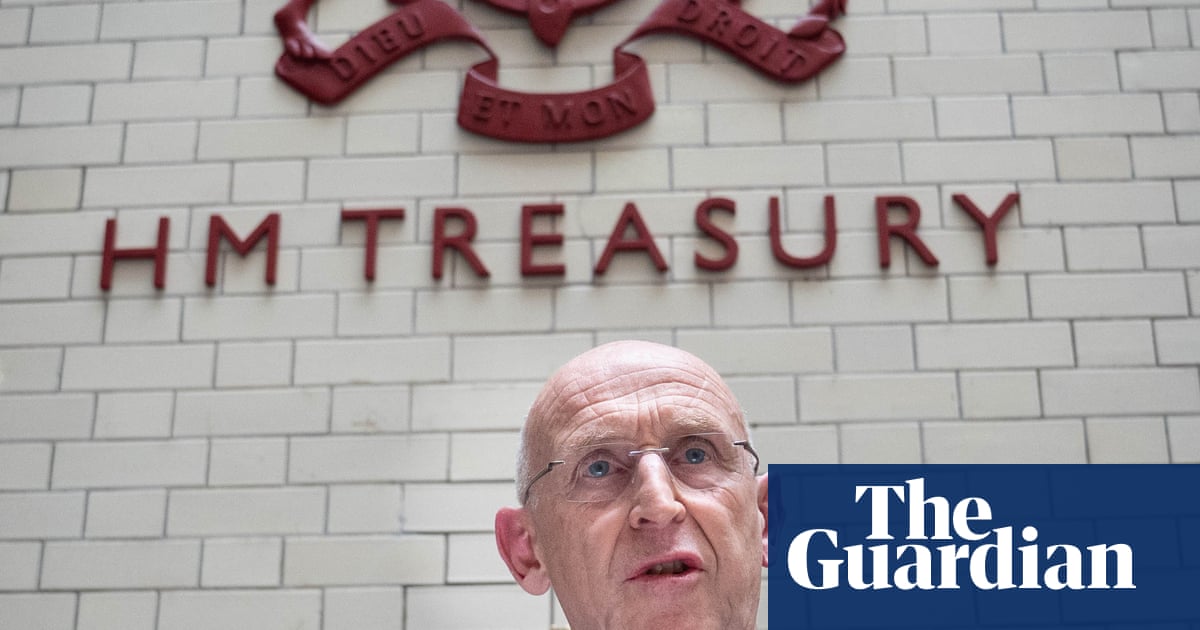
Appointing John Healey as chancellor has been seen as a signal that Burnham will increase defence spending. Shares in UK-listed defence firms rose sharply on Tuesday as financial markets opened after his appointment. Healey has also dropped broad hints over defence spending in his first comments as chancellor, stating that 'fiscal credibility is the bedrock for economic stability and for national security'.
Unfreezing the Tax-Free Personal Allowance
Burnham has hinted that he could make changes to the tax-free personal allowance, which has been frozen at its current level since April 2021. However, he has since backed away from the idea, stating that 'we've got to show fiscal discipline'. The personal allowance has been frozen at £12,570, and will remain there until 2031 at least. As a result, growing numbers of people are being dragged into paying tax at higher rates, steadily raising billions of pounds more for the exchequer.
Key points
- Andy Burnham has announced a tax cut to remove VAT on energy bills.
- The move is expected to cost around £850m in 2026-27.
- The government has announced that the cut will be funded through the cancellation of Keir Starmer's digital ID programme.
- Appointing John Healey as chancellor has been seen as a signal that Burnham will increase defence spending.
- Burnham has hinted that he could make changes to the tax-free personal allowance.
If the VAT cut on energy bills is successful, it could provide a much-needed boost to households struggling with the cost of living. Additionally, the increase in defence spending could lead to a surge in economic growth and job creation.
The VAT cut on energy bills could lead to a significant increase in borrowing and debt levels, which could have long-term consequences for the UK's economy. Additionally, the unfreezing of the tax-free personal allowance could lead to a surge in tax revenues, but also a widening of the tax gap and increased inequality.