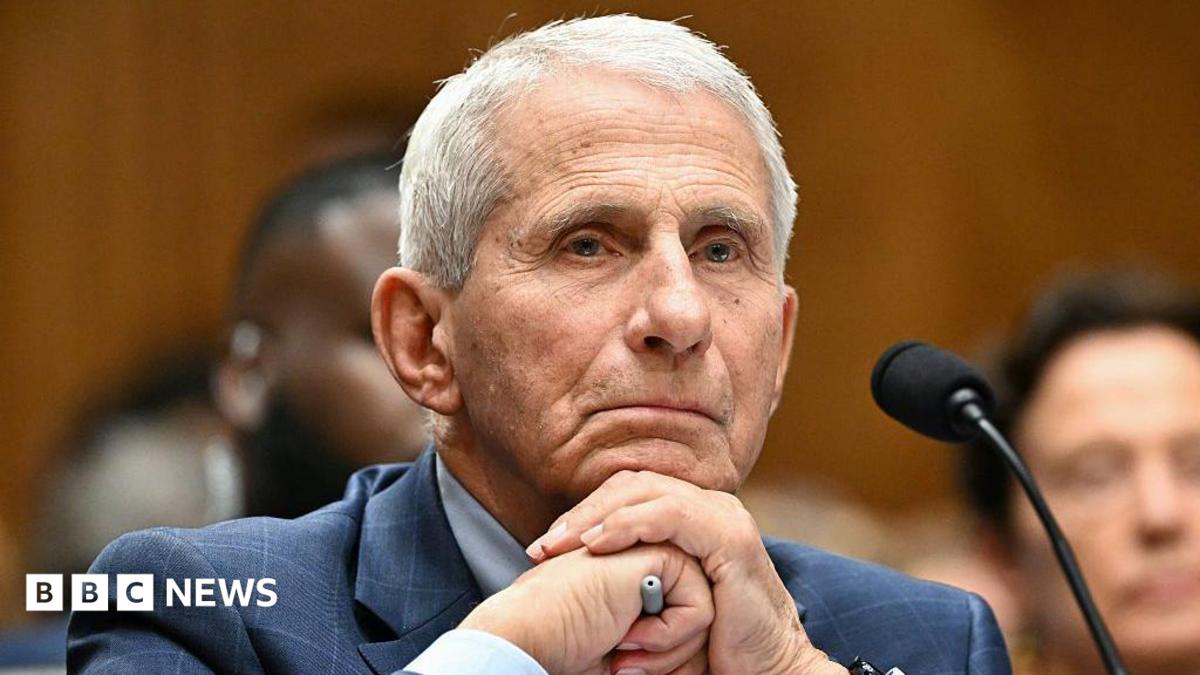
Who is Khalilur Rahman, Bangladesh FM who beat Cyprus to UNGA presidency?
Bangladesh's Khalilur Rahman won election as UN General Assembly president after a contested vote against Cyprus's candidate.
Intelligence analysis by GPT-5.4 Mini

Khalilur Rahman, Bangladesh’s foreign minister and a veteran diplomat, won the presidency of the 81st UN General Assembly in a rare secret-ballot contest. He takes office in September as the UN faces pressure over trust, multilateralism, and the search for Antonio Guterres’s successor.
Khalilur Rahman is a Bangladeshi diplomat who got picked to lead a big UN meeting. It is like being chosen to chair the world’s largest classroom debate, where every country gets one vote.
Analysis
Rahman’s win
Bangladesh’s foreign minister, Khalilur Rahman, has been elected president of the 81st session of the United Nations General Assembly. He defeated Cyprus ambassador Andreas Kakouris in a closely fought secret ballot, taking 99 votes out of 190 cast. The result is notable because UNGA presidents are usually chosen by consensus, not a vote.
His background
Rahman is a career diplomat who joined Bangladesh’s foreign service in 1979. He has held several UN-related roles, including work in New York and Geneva, service as first secretary at Bangladesh’s mission to the UN, and positions tied to the Least Developed Countries group and UNCTAD. He later became Bangladesh’s foreign minister in February after the BNP won the country’s first election since the 2024 uprising that removed Sheikh Hasina. He also served as national security adviser and high representative on the Rohingya issue in the interim government led by Muhammad Yunus.
Why the role matters now
The General Assembly is the UN’s most representative body, where all 193 member states have one vote and where world leaders gather each September in New York. The presidency is not an executive post, but it is prestigious and can matter in periods of institutional strain. Rahman’s term will overlap with the process of choosing Antonio Guterres’s successor, one of the most consequential decisions on the UN calendar.
Outgoing president Annalena Baerbock said trust in multilateralism is under serious pressure and that defending the UN Charter has become a daily necessity. Guterres congratulated Rahman and called his political and diplomatic experience a guarantee of success for the General Assembly and the UN more broadly.
The article also places the vote in the context of friction with the United States. It says the Trump administration has tried to weaken the UN system through unilateral action, withdrawal from some UN bodies, and funding cuts. Rahman begins his term at a moment when the UN is trying to prove it can still deliver on its promises.
Key points
- Khalilur Rahman won the UN General Assembly presidency in a contested secret ballot, beating Cyprus's Andreas Kakouris.
- He is a career Bangladeshi diplomat with long UN experience in New York and Geneva.
- His one-year term starts on September 8 and will overlap with the selection of Antonio Guterres's successor.
- The article says trust in multilateralism is under strain, including from U.S. pressure on the UN system.
- The UNGA presidency is largely ceremonial, but it remains a prestigious post with symbolic weight.
Rahman’s diplomatic background could help him guide the General Assembly through a difficult year with more steadiness and more trust between countries. If he can keep talks moving, the UN may have a smoother run-up to the next secretary-general choice and a stronger platform for global cooperation.
The role begins amid low trust, sharp geopolitical tensions, and growing pressure on multilateral institutions. If member states stay divided, the presidency may struggle to build consensus or meaningfully improve the UN’s credibility.