Why a tiny river on Russia’s border tests China’s ties with Kim Jong-un
A sliver of the Tumen River still blocks China’s access to open waters, and the issue went unmentioned after Xi and Kim met this week.
Intelligence analysis by GPT-5.4 Mini
The article says the Tumen River remains a sensitive border issue for China, North Korea and Russia because a narrow stretch between North Korea and Russia blocks Chinese access to open waters. Despite some recent signs from Moscow, the summit statements from Xi and Kim made no mention of it.
A tiny part of a river works like a locked door blocking China from the sea. China wants that door opened, but after Xi and Kim met, neither side even talked about it.
Analysis
The issue
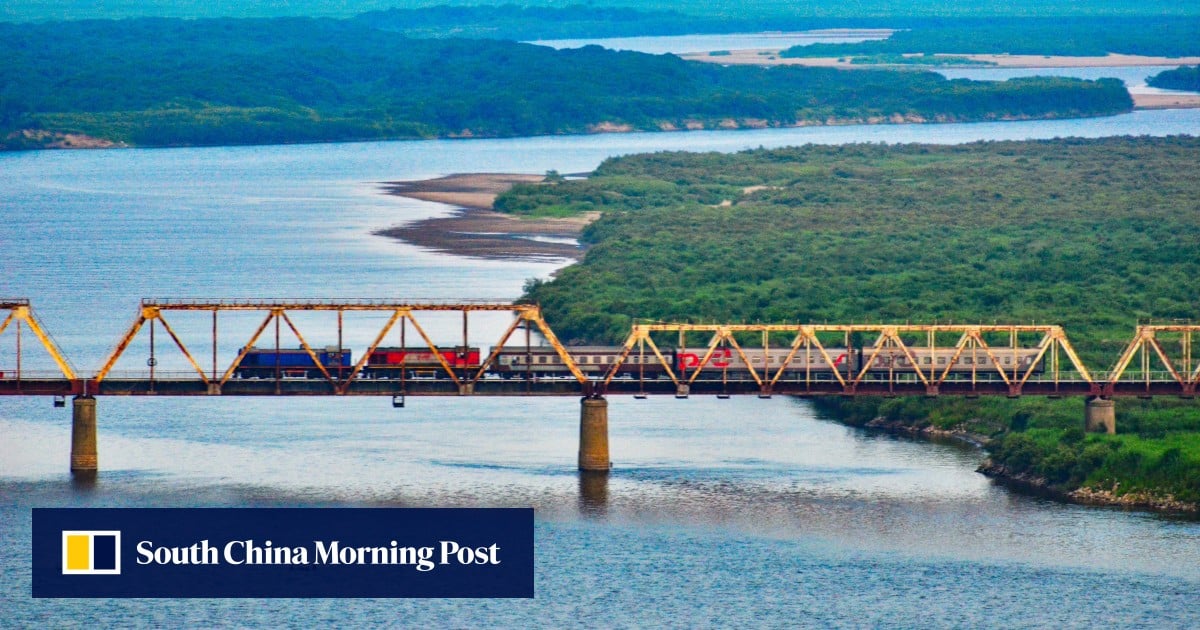
The Tumen River forms part of the border between China, North Korea and Russia. A narrow section of it, running between North Korea and Russia, prevents China from reaching open waters directly.
Why Beijing cares
According to the article, Beijing has long tried to persuade its two neighbours to open the waterway to Chinese traffic. That goal goes back to 1860, when China ceded territory including Primorsky Krai to the Russian empire and later lost the direct route it had wanted toward the Sea of Japan.
What the summit did and did not say
The piece says the river has re-emerged as a notable issue for observers of China-North Korea relations. But after Xi Jinping and Kim Jong-un met this week, official statements from both sides did not mention the river at all.
What that silence suggests
The article says the omission points to continued caution in Pyongyang and Moscow about Beijing’s influence in the region. It also notes that there had been some small positive signals from Moscow as recently as last month, but the summit language shows the problem is still unresolved.
Taken together, the story frames the Tumen River as a small geographic obstacle with outsized diplomatic weight. It is not just about shipping or access; it is also a test of how far China can press its interests with two neighbours that remain wary of its reach.
Key points
- The Tumen River remains a strategic border issue for China, North Korea and Russia.
- A narrow stretch between North Korea and Russia blocks China’s direct access to open waters.
- The China-North Korea summit statements did not mention the river.
- The article says this silence reflects continued wariness in Pyongyang and Moscow about Beijing's influence.
- Beijing has pursued Sea of Japan access through the river for decades.
If talks with North Korea and Russia ever moved forward, China could gain better access for river traffic and a new route toward open water. The article also notes that Moscow showed small positive signs last month, which suggests the issue is not completely frozen.
The silence after the summit suggests both Pyongyang and Moscow still do not want to give China more room to move in the region. If that caution holds, Beijing’s long-running push for access through the Tumen River may stay stalled.