Why are Muslim clerics being arrested in Russia?
Russian security forces have detained several Muslim clerics, prompting claims of an anti-Muslim crackdown and a pushback against Kremlin-linked religious institutions.
Intelligence analysis by GPT-5.4 Mini
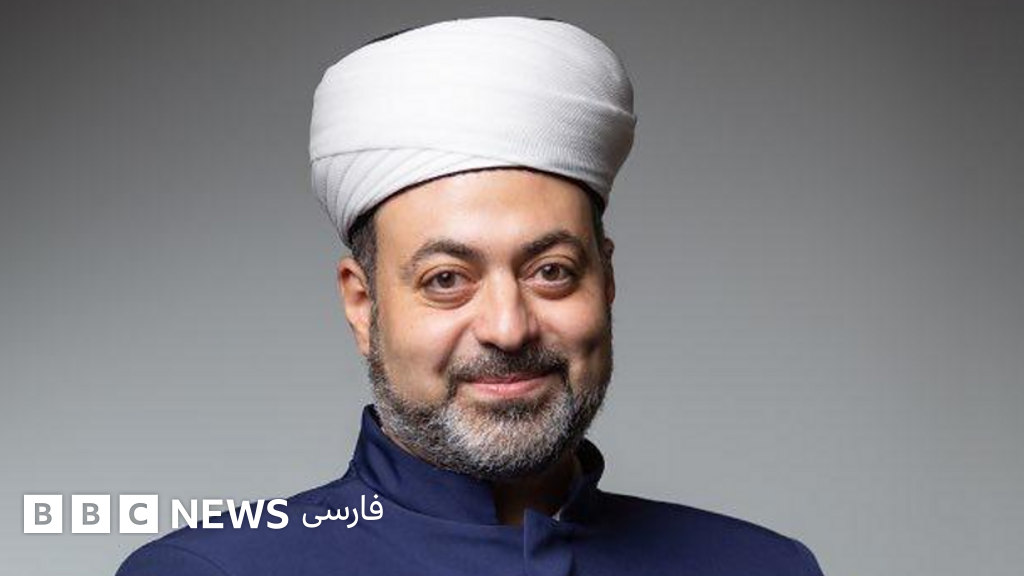
BBC Monitoring says the arrests of Muslim clerics and community figures have triggered competing narratives in Russia: state-linked voices frame them as security cases, while critics see rising Islamophobia and pressure on Muslim institutions.
It is like a school where a few teachers from the same club suddenly get taken out of class, and people start arguing whether it was for breaking rules or because the club itself is being targeted. In Russia, the arrests have become a fight over religion, power, and suspicion.
Analysis
What the article says
BBC Monitoring reports that up to eight Muslim clerics and representatives of Islamic communities were detained by Russian security forces in May 2026, with at least one later released. Among those named were Wessam Bardweel, a former mufti of Karelia; Ahmad Tangiyev, an Ingush theologian and deputy to Bardweel; and Rael Asainov, the mufti of the Mordovia republic, who was reportedly detained on suspicion of bribery.
Other reports expanded the list further, naming Muhammad Khani, a former head of the religious organization "Community of Muslims of the Northwest," and several other local Muslim representatives in places including Saratov, Tatarstan, Murmansk, and Petrozavodsk.
Competing interpretations
The article says the official reasons ranged from "bribery" to "disobedience," but online commentators and pro-government bloggers went much further. Some claimed the detainees were linked to the banned Muslim Brotherhood, while others portrayed them as a kind of fifth column working with foreign intelligence and EU bodies.
Far-right media welcomed the arrests and openly called for a crackdown on the Russian Council of Muftis, a Kremlin-backed body that represents Muslims in Russia. The article also notes a new controversial law that is expected to ban group prayer in "residential buildings," which critics see as another sign of pressure on Muslim practice.
A symbolic fight
One of the most heated cases involved Damir Mukhetdinov, the first deputy to Ravil Gainutdin, head of the Spiritual Administration of Muslims of the Russian Federation. He was fined after a painting of the 1223 Battle of the Kalka River, showing a Mongol-era conflict, appeared in his office during an interview. Nationalist and pro-war bloggers described that image as "Russophobia" and used it to call the council extremist.
Overall, the story shows how arrests that are formally framed as legal or administrative cases are being turned into a wider political fight over Islam, nationalism, and who gets to define loyalty in Russia.
Key points
- Russian security forces detained several Muslim clerics and community representatives in May 2026.
- Official explanations included charges such as bribery and disobedience, while online commentators alleged extremist or foreign ties.
- Far-right and pro-war voices portrayed the arrests as a long-awaited crackdown on Russia's Muslim religious establishment.
- A separate case involving Damir Mukhetdinov became a flashpoint after nationalist critics objected to a Mongol-era painting in his office.
- The article presents the detentions as part of a larger struggle over Islam, nationalism, and state control in Russia.
If the cases stay limited to clear legal charges, Russian authorities could avoid a broader religious crackdown and reduce fear among Muslim communities. A more careful approach could also keep tensions from spreading between Muslim leaders and the state-backed religious system.
If the arrests are part of a wider campaign, the pressure could deepen distrust of the Kremlin-backed Muslim administration and widen fear among ordinary believers. The controversy over prayer restrictions and "Russophobia" rhetoric could also fuel more Islamophobia and nationalist agitation.