Why Benjamin Netanyahu poses an obstacle to US and Iran peace deal
Netanyahu's military pressure on Hezbollah and Iran is complicating US-Iran talks, while both leaders face political and economic incentives to claim progress.
Intelligence analysis by GPT-5.4 Mini
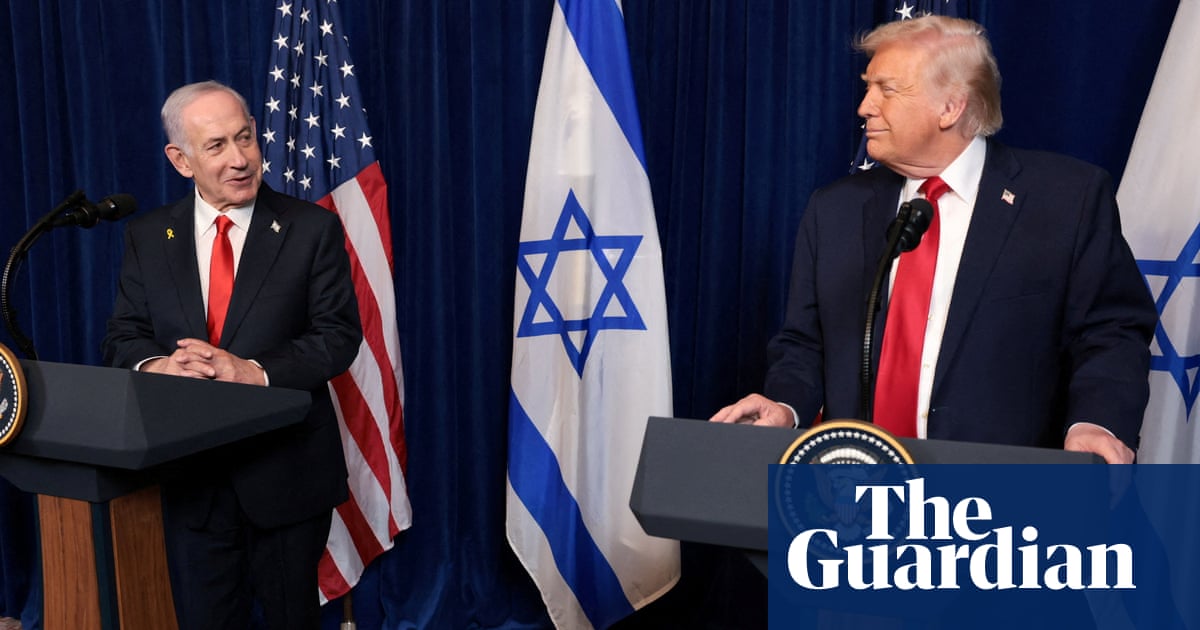
The article argues that Benjamin Netanyahu is now the main obstacle to a possible US-Iran deal because his military moves in Lebanon are affecting negotiations. Donald Trump also wants a deal, but he is juggling domestic politics, oil prices, and tension with Israel.
Two leaders are playing tug-of-war over a very important rope. Netanyahu wants to keep fighting so he can say he won, while Trump wants a deal that looks strong at home. If neither side lets go, the talks could snap.
Analysis
The core conflict
The Guardian says a potential peace deal between the US and Iran now runs through Benjamin Netanyahu, whose actions in Lebanon are being treated as a major bargaining chip. Israel's threats to bomb Beirut's southern suburbs pushed Iran to pause talks until the fighting was frozen.
Trump and Netanyahu under strain
Donald Trump had backed strikes on Iran and was publicly saying a deal was close, but the article says the negotiations hit trouble after a tense phone call with Netanyahu. One account described Trump as furious, though that version is disputed. The reporting suggests the White House later wanted to appear firm toward Israel rather than looking controlled by Netanyahu.
Netanyahu's political pressure
The piece frames Netanyahu as unusually exposed at home. Israel's parliament voted to advance dissolution, early elections are expected in the autumn, and his poll numbers have weakened as wars in Gaza, Lebanon, and Iran drag on. The article also notes that his long-delayed fraud and bribery trial has resumed, giving him another reason to remain in office.
What each side wants
For Netanyahu, continued military pressure helps him argue that he is still pursuing "total victory," rather than ending with no clear win. For Trump, the incentive is different: he wants to show he can secure a deal while keeping an eye on petrol prices and US political optics. Iran, meanwhile, is using its hold over the Strait of Hormuz as leverage, but the US blockade is also damaging its economy. The article leaves the outcome uncertain, with Lebanon and Iran's frozen assets identified as possible bargaining points.
Key points
- The article says Netanyahu has become a central obstacle to a possible US-Iran peace deal.
- Israeli threats against Beirut's southern suburbs pushed Iran to pause negotiations.
- Trump and Netanyahu reportedly had a tense call as the talks became unstable.
- Netanyahu faces pressure from expected elections, falling popularity, and a corruption trial.
- Iran and the US are both using oil and economic pressure as leverage in the dispute.
If the pressure leads both sides back to talks, the article suggests a deal could still be reached through freezing the Lebanon conflict and using incentives such as unfreezing some of Tehran's assets. That could reduce the chance of a wider regional escalation and open the strait of Hormuz again under calmer conditions.
The article also shows several ways the talks could fail: Netanyahu may keep pushing military operations to protect his political position, while Iran may refuse to negotiate if Lebanon stays active. If the standoff continues, the conflict could deepen, oil disruption could persist, and both leaders may choose escalation over compromise.