Why China’s Latin America ties aren’t immune to Trump’s influence
China’s trade and investment footprint in Latin America is still strong, but the article says political influence may be less secure under Trump’s return.
Intelligence analysis by GPT-5.4 Mini
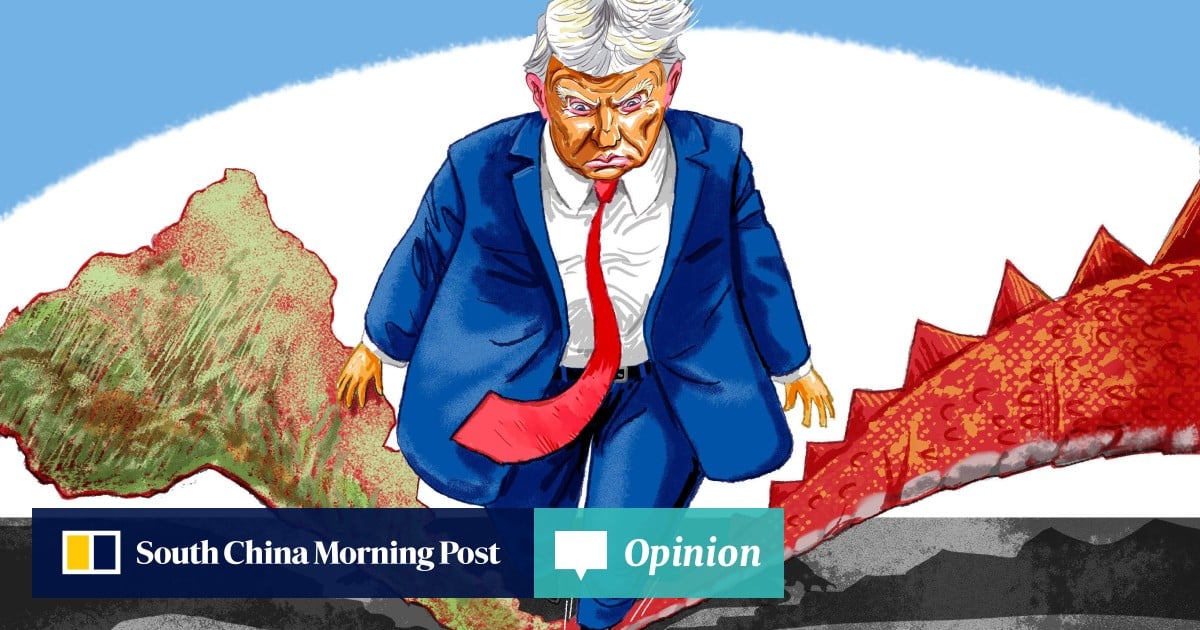
The piece argues that China’s two decades of economic expansion in Latin America have been real, but economic weight has not automatically produced durable political influence. Trump’s return to the White House may reshape the region’s strategic environment and expose the limits of Beijing’s gains.
China has been building friendships in Latin America by trading, lending money, and helping build things, like a kid sharing lots of snacks to make friends. But the story says having money and deals does not always mean getting lasting trust, especially when the U.S. changes the mood in the neighborhood.
Analysis
Main argument
The article says China has spent more than two decades building a serious presence in Latin America through trade, investment, infrastructure projects, and diplomacy. That effort has clearly paid off in economic terms: Beijing became a major trading partner across much of the region, funded large projects, expanded its diplomatic reach, and helped convince several countries to cut ties with Taiwan.
The warning
The author argues that this success should not be confused with durable political influence. In the article’s framing, trade flows and corporate activity can grow even when governments remain cautious, strategic, or vulnerable to outside pressure. That distinction becomes more important with Donald Trump back in the White House, because the regional environment may now be less favorable to China than it was when economic ties were expanding under easier conditions.
Panama as a signal
Panama is presented as a cautionary example. The country recognized China in 2017 and later joined the Belt and Road Initiative, moves that were widely seen as signs of Beijing’s growing reach in a region long shaped by Washington. The article uses that case to show that symbolic gains can still face political limits when U.S. influence reasserts itself.
Bottom line
The article’s central claim is straightforward: China’s economic gains in Latin America are real, but political success is another matter. If the regional climate changes, Beijing may find that market access and investment alone are not enough to secure lasting influence.
Key points
- China has built deep economic ties across Latin America over two decades.
- The article says those gains have not automatically turned into durable political influence.
- Trump’s return is presented as a new factor that may reshape the region’s strategic environment.
- Panama is used as a warning sign that symbolic Chinese gains can face political limits.
- The core claim is that economic power alone is not enough to secure lasting influence.
China’s trade and business ties with Latin America could remain strong even if the political climate shifts. If governments keep prioritizing economic benefits, Beijing may preserve a wide regional footprint and keep its diplomatic channels open.
The article suggests that political influence can weaken even when economic ties stay active. If Trump’s return increases U.S. pressure or changes regional calculations, China may find that its gains do not translate into the lasting sway it expected.