Why Did Iran Attack Israel First This Time?
BBC Persian argues that Tehran's latest strike on Israel reflects a shift toward meeting force with force, even as diplomacy with Washington continues.
Intelligence analysis by GPT-5.4 Mini
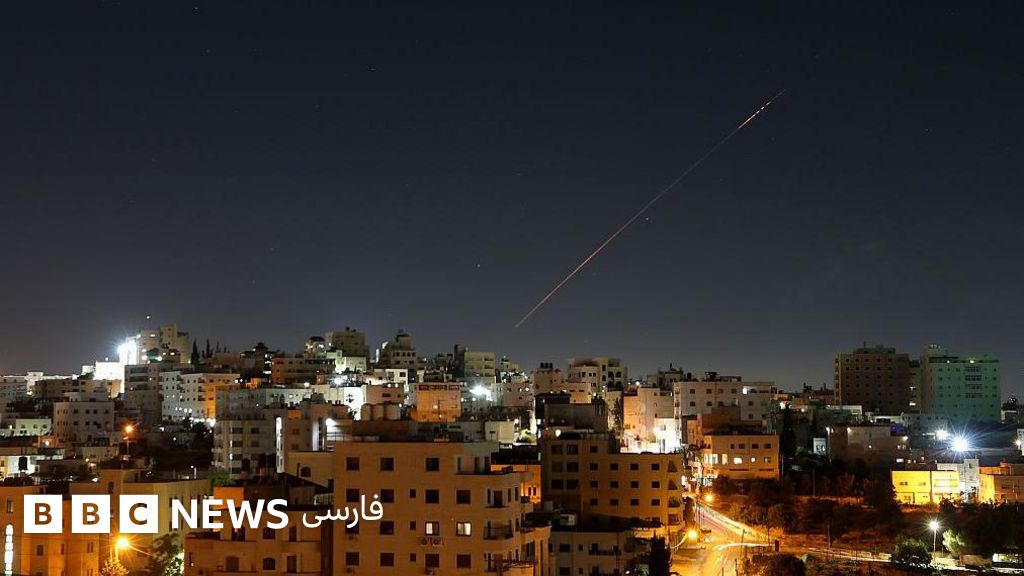
The piece says Iran's ballistic-missile attack on Israel followed Israeli strikes in Beirut's southern suburbs and fits a broader shift inside the Islamic Republic: some decision-makers now see showing readiness for direct confrontation as the way to avoid long, grinding wars.
The article says Iran hit back because some leaders think acting tough is like drawing a big line in the sand. They believe that if both sides show they are ready to fight, the other side may back off, but the risk is that the push-and-pull turns into a bigger fight.
Analysis
Trigger for the strike
The article says Iran fired ballistic missiles at targets in Israel after Israeli attacks in Beirut's southern suburbs. Iranian military statements described the strike as a response to those Israeli operations in Lebanon, especially after Tehran had warned that it would react if Israel carried out a wider attack there.
A shift in doctrine
BBC Persian's argument is that some power centers in Tehran are revising how they think about security. Instead of trying mainly to avoid a broader war, the article says they now believe that showing willingness to confront Israel and the United States can help prevent an endless cycle of harassment and retaliation. In that framing, restraint is no longer seen as the safest path.
The piece points to comments from Mohammad Bagher Ghalibaf, who said the other side does not respect ceasefires and only understands force. It also cites Iranian defense and IRGC figures who have said any new threat would be met quickly and decisively. Those remarks are used to show that the idea of immediate retaliation is becoming more central in official rhetoric.
Limits and risks
The article also says this view is not necessarily shared across all parts of the Iranian system. Diplomatic efforts with the United States are still ongoing, which suggests there is no single settled strategy. Even so, the story concludes that Iran's behavior now suggests a greater willingness to absorb risk, while the danger of miscalculation and a wider war remains real.
Key points
- Iran fired ballistic missiles at Israel after Israeli strikes in Beirut's southern suburbs.
- The article says Tehran had warned it would respond if Israel launched a major attack in Lebanon.
- BBC Persian argues that some Iranian decision-makers are shifting toward a doctrine of meeting force with force.
- Officials quoted in the piece frame retaliation as the way to deter what they see as repeated Israeli and U.S. pressure.
- The story says diplomacy with Washington is still ongoing, so Iran's strategy is not settled.
If the logic in the article holds, a strong response could make rivals more cautious and reduce future attacks on Lebanon or Iran. It could also strengthen Tehran's hand in any parallel diplomacy by making its red lines harder to ignore.
The article also makes clear that this posture could backfire if both sides misread each other. A cycle of strike and counterstrike could widen into a broader regional war even while talks with the United States continue.