Why do heatwaves affect women more severely?
Heatwaves disproportionately affect women due to biological factors like hormonal fluctuations and higher core body temperature, as well as socioeconomic factors and age.
Intelligence analysis by Gemini 2.5 Flash
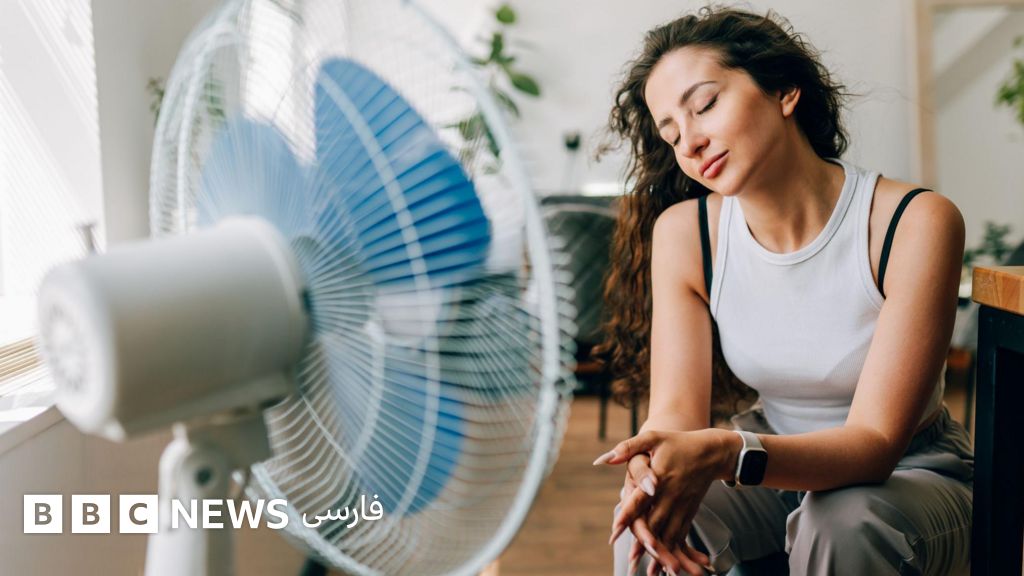
Experts are raising awareness about the heightened risks women face during extreme heat, citing biological differences in temperature regulation, the impact of menstrual cycles and menopause, and socioeconomic disadvantages that hinder self-care. Climate change is expected to exacerbate these vulnerabilities, making it crucial to understand and address these gender-specific challenges.
Imagine your body is like a house with a thermostat. For girls and women, their thermostat can sometimes get a bit confused, especially because of special body chemicals called hormones that change a lot. So, when it gets super hot outside, their bodies might find it harder to cool down, like a house with a broken air conditioner. This can make them feel extra tired, dizzy, or even sick, more than boys or men, because their bodies are working extra hard to stay cool.
Analysis
Biological Vulnerabilities of Women to Heat
Women's increased susceptibility to heatwaves is rooted in distinct biological factors. Dr. Negat Arif points to natural hormonal fluctuations as a primary differentiator, noting that a 2025 study indicated women sweat at higher temperatures than men. This physiological difference impairs their ability to effectively dissipate excess heat, making it harder for them to recognize when their bodies are under severe heat stress. Furthermore, research suggests women generally have a higher core body temperature and a greater percentage of body fat, which acts as an additional insulating layer, further complicating heat regulation.
These biological traits, particularly the hormonal shifts, significantly disrupt the brain's thermoregulatory systems. Estrogen and progesterone levels undergo substantial changes during various life stages, including the menstrual cycle, pre-menopause, menopause, pregnancy, and lactation. These fluctuations make it inherently more challenging for women to maintain a stable body temperature, placing considerable strain on their cardiovascular systems, especially during periods of intense heat.
Socioeconomic and Age-Related Factors
Beyond biology, socioeconomic conditions and age play a crucial role in women's vulnerability to heat-related risks. Dr. Catarina Pinho Gomes emphasizes that factors such as lower wages and women's predominant role in caregiving responsibilities can severely impact their capacity for self-care during hot weather. These societal pressures often mean women prioritize the needs of others over their own, potentially delaying or neglecting necessary cooling measures or hydration.
Age is another significant determinant, with older women being particularly susceptible to heat's adverse effects. Given that women, on average, live longer than men, they are disproportionately represented in the demographic most at risk of heat-related mortality. Older individuals are also more prone to conditions like dementia, which can diminish their ability to recognize thirst. Additionally, many elderly women may be on medications, such as diuretics for high blood pressure, which can further increase their vulnerability to dehydration and heat stress.
Impact Across Reproductive Stages
The article details how different stages of a woman's reproductive life exacerbate heat sensitivity. During the menstrual cycle, hormonal fluctuations, particularly the rise in progesterone in the second half, elevate core body temperature, making extreme heat more challenging. When menstruation begins, estrogen levels drop to their lowest, forcing the heart to work harder to cool the body. Women like Michaela Finn and Charlie Paddock shared experiences of extreme fatigue, dizziness, anxiety, and intensified hot flashes during their periods in heatwaves.
Menopausal and pre-menopausal women also face unique challenges. The decrease in estrogen during these periods commonly leads to hot flashes and night sweats. Dr. Arif notes that severe heatwaves can intensify these symptoms, a concern amplified by global warming, as suggested by research on climate change's impact on menopause. Testimonies from women like Hilary Serif highlight the unbearable nature of these symptoms during heatwaves, underscoring the need for targeted support and awareness for women across all life stages.
Key points
- Women are biologically more vulnerable to heatwaves due to hormonal fluctuations, higher core body temperature, and greater body fat percentage.
- Hormone changes during menstrual cycles, pre-menopause, menopause, pregnancy, and lactation make temperature regulation more difficult for women.
- Socioeconomic factors like lower wages and caregiving roles can limit women's ability to prioritize self-care during extreme heat.
- Older women are particularly susceptible to heat-related mortality, partly due to longer lifespans and increased prevalence of conditions like dementia or medication use.
- Symptoms like hot flashes, night sweats, and menstrual discomfort are intensified during heatwaves, adding to women's distress and health risks.
As climate change intensifies, the frequency and severity of heatwaves are expected to increase, further exacerbating the health risks for women, particularly those with existing vulnerabilities related to their reproductive cycles, age, or socioeconomic status. Without targeted interventions and greater awareness, heat-related illnesses and mortality among women could rise significantly.