Why Does Kim Jong Un Never Talk About His Mother?
BBC Persian examines why North Korea erases Kim Jong Un’s mother from public life and how that silence protects the regime’s bloodline myth.
Intelligence analysis by GPT-5.4 Mini
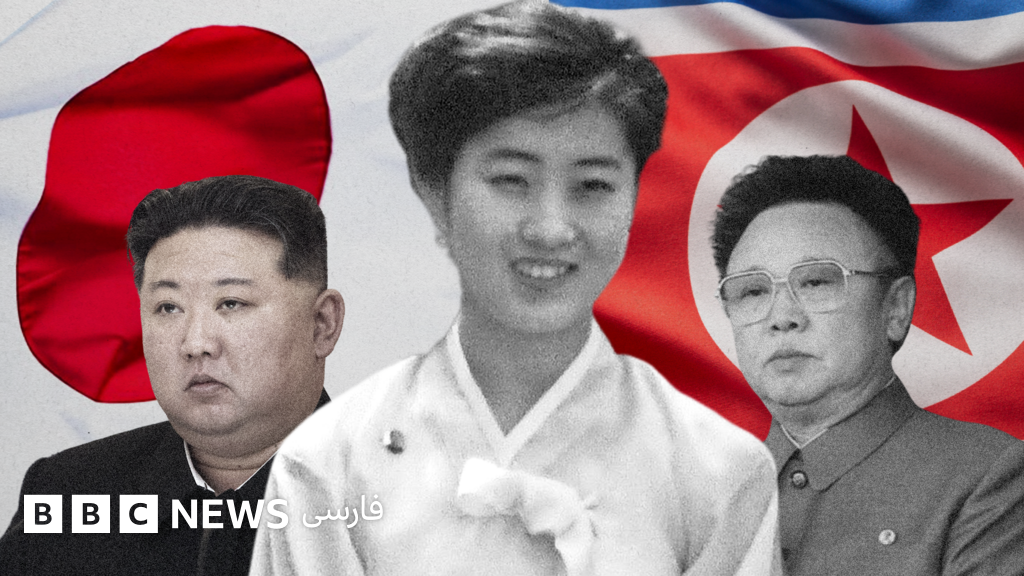
The article argues that Kim Jong Un’s silence about Ko Yong Hui is tied to North Korea’s obsession with bloodline, class status, and political legitimacy. Her background as a Japanese-born Zainichi Korean and an unmarried partner makes her hard to fit into the state’s official mythology.
It is like a family tree that only shows the branches that make the family look strongest. North Korea talks a lot about Kim Jong Un’s father and grandfather, but hides his mother because her background does not fit the story the government wants people to believe.
Analysis
Why the silence matters
The article says Kim Jong Un has never publicly spoken his mother’s name during his 15 years in power. That omission stands out because North Korea’s ruling family relies heavily on the idea of a sacred bloodline, often linked to Mount Paektu and the founding myth of the state.
Ko Yong Hui’s awkward place in the official story
Unlike earlier women in the dynasty, Ko Yong Hui was never elevated into a state-approved symbol. The piece says that may be because her background was politically inconvenient: she was born in Osaka in 1952 to parents from Jeju, and her family belonged to the Zainichi Korean community in Japan. In North Korea’s rigid social hierarchy, that background is viewed as undesirable. The article also notes the stigma attached to her being the leader’s mistress rather than a formally recognized wife.
A succession problem hidden in plain sight
According to the article, Ko moved to North Korea as a child and later entered an elite arts group. She reportedly caught Kim Jong Il’s attention because of her appearance and dancing ability. But because she never became a publicly acknowledged wife, Kim Jong Un’s parentage created a problem for a system that treats lineage as sacred. One analyst quoted in the piece says it would be almost unthinkable for the country to present its leader as the son of someone labeled socially inferior.
Broader context
The article links this to North Korea’s broader social order, where family background can shape access to education, status, and opportunity. It suggests that the regime’s silence is not just personal discretion; it is part of preserving a political myth that supports rule by heredity.
Key points
- Kim Jong Un has reportedly never publicly mentioned his mother, Ko Yong Hui, in 15 years in power.
- The article says North Korea’s legitimacy rests on a sacred Paektu bloodline tied to the ruling family.
- Ko Yong Hui was born in Japan to Jeju-born parents and belonged to the Zainichi Korean community.
- Her status as an unofficial partner made her difficult to fit into the regime’s official mythology.
- Analysts quoted in the piece say Kim Jong Un’s background would be politically awkward for a system that treats lineage as sacred.
If the regime’s family mythology remains stable, the article suggests it can continue presenting Kim Jong Un’s rule as a natural extension of the dynasty. That kind of consistency may help the government keep its internal narrative coherent.
The same silence also exposes a weakness: if a leader’s family history does not fit the official myth, the state has to suppress it. That can deepen the gap between the public story and the real history behind power in North Korea.