Why India's youth protest movement still poses a challenge for Modi
Youth-led protests in India forced the education minister to resign, broadening into a wider movement against unemployment and lack of opportunities, challenging Prime Minister Narendra Modi.
Intelligence analysis by Gemini 2.5 Flash
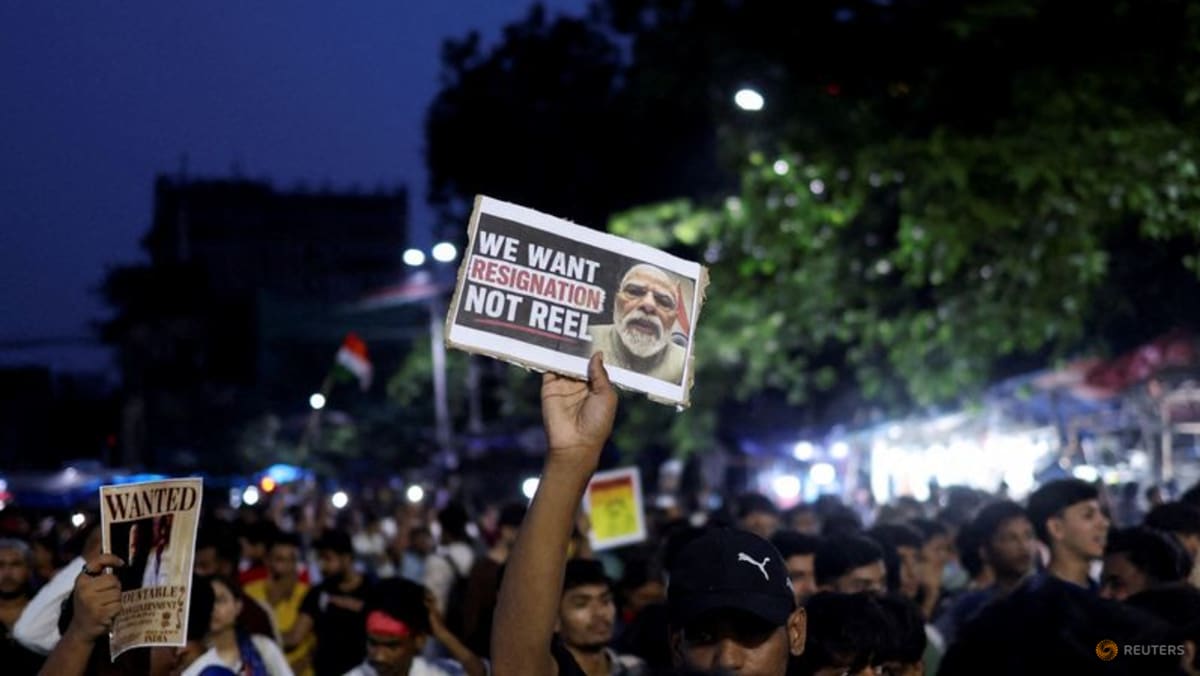
India's government is facing significant political pressure from youth-led protests, initially sparked by exam irregularities but quickly expanding to encompass deeper frustrations over job scarcity, economic opportunities, and a perceived decline in institutional trust under Prime Minister Modi's rule.
Imagine if kids were super upset because a big school test was unfair, and they protested so much that the principal had to quit! But then they realized they were also really worried about not finding good jobs when they grow up. This made the country's leader, Modi, face a big challenge because lots of young people are still unhappy, even if the test problem is partly fixed.
Analysis
Cockroach Janta Party
The online Cockroach Janta Party (CJP) has emerged as a significant force behind India's recent youth protests. Initially galvanizing anger over exam irregularities, the CJP successfully broadened the movement's scope to include deeper frustrations concerning unemployment and a lack of economic opportunities for young people across the country.
The CJP's online presence and ability to mobilize demonstrations from New Delhi to other cities highlight a rapidly changing digital landscape for activism. The party has announced plans for a "nationwide listening tour" to further engage with young Indians, suggesting an intent to maintain and potentially expand its political influence beyond the immediate protest demands.
Jul 25
The resignation of India's education minister on Jul 25 marked a rare and significant climbdown for Prime Minister Narendra Modi's government. This event underscored the potency of the youth-led protests and challenged Modi's carefully cultivated image of unwavering resolve, forcing his administration to respond to public pressure.
Following the resignation, the authorities have made efforts to appease the youth, including hiking penalties for leaking exam papers and withdrawing cases against protesters in several cities. These actions indicate the government's recognition of the widespread discontent and the need to address some of the immediate grievances that fueled the demonstrations.
Access Now
The protests also brought to light the sophisticated methods employed by authorities for surveillance, including the use of AI-powered camera technology to monitor and identify demonstrators. This digital crackdown was further evidenced by internet shutdowns around the main protest site in New Delhi, disrupting communication among young activists.
According to the Access Now monitor, India ranked second worldwide in internet shutdowns last year, a statistic that includes localized blackouts during protests and communal violence. This reliance on digital control measures highlights the government's strategy to manage dissent in an increasingly connected society, while also exposing protesters to online threats and abusive messages.
Key points
- Youth-led protests forced India's education minister to resign on Jul 25, marking a rare government climbdown.
- The demonstrations, spearheaded by the online Cockroach Janta Party (CJP), expanded from exam irregularities to broader anger over unemployment and institutional trust.
- Prime Minister Narendra Modi's government is grappling with significant political fallout from the movement.
- The protests highlighted the use of social media by activists and AI-powered surveillance by authorities, alongside internet shutdowns.
- Deeper frustrations over economic security and job prospects give the youth movement potential for lasting influence beyond the initial dispute.
The government's swift response to the protests, including increasing penalties for exam leaks and withdrawing cases against demonstrators, could signal a genuine commitment to addressing youth grievances. This might lead to improved institutional trust and more effective policies aimed at creating better economic opportunities for young Indians.
The underlying issues of widespread unemployment and a lack of faith in institutions are deeply entrenched and not easily resolved, suggesting the youth movement's "staying power" could persist. This ongoing discontent poses a significant, long-term challenge to Modi's government and could lead to continued social unrest.