Why Japan is propping up the yen with US help
The US and Japan conducted a coordinated yen-buying intervention on Monday, accompanied by a joint warning that the two nations would not hesitate to move again to defend its value if required. The yen's weakness has become a growing issue for Japan's policymakers, given …
Intelligence analysis by Llama
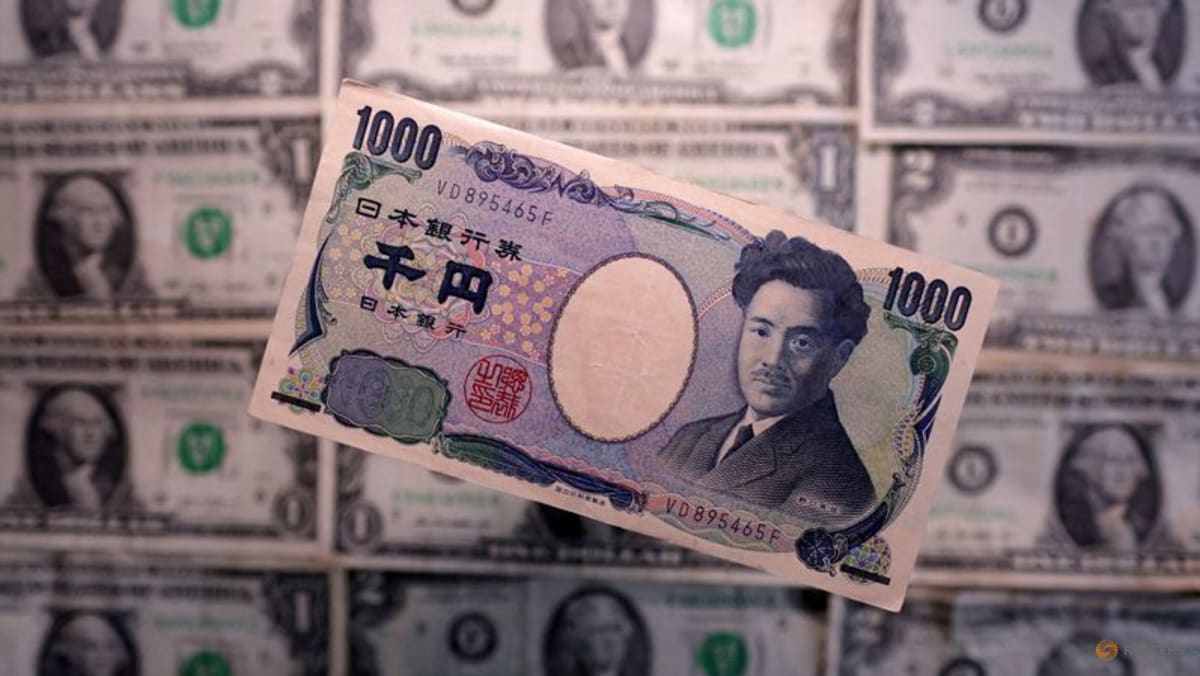
The US and Japan have intervened in the yen market to prop up its value, citing concerns over its impact on Japan's economy and household living costs. The yen's weakness has been driven by factors such as low interest rates, investor concerns over Japan's fiscal outlook, and the US-Israel war with Iran.
Imagine you're on a trip to Japan, and the yen gets weaker against the dollar. This means that the things you buy in Japan, like food and souvenirs, cost more dollars. It's like the yen is losing its value, making it harder for people to afford things. The US and Japan are trying to help the yen by buying it and making it stronger, so that people can afford things more easily.
Analysis
A $60B Vote of Confidence
The US and Japan conducted a coordinated yen-buying intervention on Monday, accompanied by a joint warning that the two nations would not hesitate to move again to defend its value if required. This move is a significant vote of confidence in the yen, which has been under pressure due to various factors.
The yen's weakness has become a growing issue for Japan's policymakers, given its role in driving up import prices and household living costs. The resulting cost-of-living crunch contributed to the downfall of two prime ministers before current leader Sanae Takaichi took office. There is growing concern that domestic inflation is becoming more entrenched.
Why Currency Intervention Matters
The yen's slide over the past decade or so has helped to transform Japan into an affordable travel destination for millions of foreign tourists while boosting the profits of the nation's biggest exporters. However, in an economy heavily dependent on imported energy and raw materials, the feeble yen has also driven up costs, fueling inflation for households and squeezing the profitability of domestically focused businesses.
The Road Ahead
The US and Japan's intervention is a response to these concerns and aims to stabilize the yen's value. However, the underlying factors driving the yen's weakness remain in place, and it is unclear whether this intervention will be enough to address the issue. The Bank of Japan (BOJ) raised its benchmark interest rate in June to the highest in 31 years, but the rate remains low by international standards. Adding to the headwinds are investor concerns over Japan's fiscal outlook, including its heavy debt burden and persistent budget deficits.
Key points
- The US and Japan conducted a coordinated yen-buying intervention on Monday, accompanied by a joint warning that the two nations would not hesitate to move again to defend its value if required.
- The yen's weakness has become a growing issue for Japan's policymakers, given its role in driving up import prices and household living costs.
- The underlying factors driving the yen's weakness remain in place, including low interest rates, investor concerns over Japan's fiscal outlook, and the US-Israel war with Iran.
If the US and Japan's intervention is successful, it could help to stabilize the yen's value and reduce the impact of import price increases on household living costs. This could lead to a more stable and predictable economic environment for Japan, which could in turn boost investor confidence and attract more foreign investment.
However, the underlying factors driving the yen's weakness remain in place, and it is unclear whether this intervention will be enough to address the issue. If the yen continues to slide, it could lead to higher import prices and household living costs, which could have a negative impact on Japan's economy and its people.