Why No Mention of Uranium Enrichment in US-Saudi Nuclear Deal?
US President Donald Trump has announced a nuclear cooperation deal with Saudi Arabia, but it does not include uranium enrichment. The deal is conditional on Saudi Arabia joining the Abraham Accords, a peace agreement between Israel and several Arab countries. The US and S…
Intelligence analysis by Llama
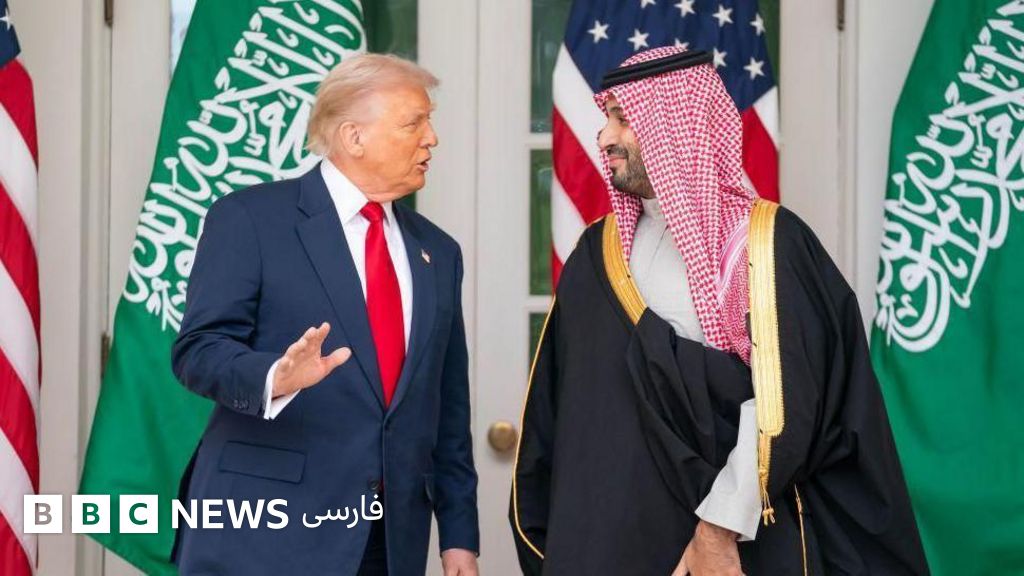
US President Donald Trump has announced a nuclear cooperation deal with Saudi Arabia, but it does not include uranium enrichment. The deal is conditional on Saudi Arabia joining the Abraham Accords, a peace agreement between Israel and several Arab countries.
Imagine you're playing a game with your friends, and you all agree to play by certain rules. But then, one of your friends decides to change the rules without telling anyone else. That's kind of what's happening with the US-Saudi nuclear cooperation deal. The deal is worth $60 billion and is conditional on Saudi Arabia joining the Abraham Accords, a peace agreement between Israel and several Arab countries. But the deal doesn't mention uranium enrichment, which is a big deal because it could mean that Saudi Arabia is trying to develop a nuclear weapons program. It's like the friend who changed the rules without telling anyone else - it's not fair and it's not safe.
Analysis
A $60B Vote of Confidence
The US-Saudi nuclear cooperation deal is a significant development in the region, with implications for the Middle East and the global nuclear non-proliferation regime. The deal is worth $60 billion and is conditional on Saudi Arabia joining the Abraham Accords, a peace agreement between Israel and several Arab countries. The deal does not include uranium enrichment, which has raised questions about the implications of this for the region.
The US and Saudi Arabia have a long history of cooperation in the nuclear field, dating back to the 1970s. However, the current deal is significant because it marks a new era of cooperation between the two countries. The deal is also significant because it comes at a time of heightened tensions in the region, with the US and Iran engaged in a bitter dispute over Iran's nuclear program.
The deal has been welcomed by some as a major breakthrough in the region, while others have expressed concerns about the implications of the deal for the global nuclear non-proliferation regime. The deal has also raised questions about the role of Saudi Arabia in the region and its relationship with the US.
Why the Silence on Uranium Enrichment?
The deal does not mention uranium enrichment, which has raised questions about the implications of this for the region. The US and Saudi Arabia have not provided any explanation for the omission of uranium enrichment from the deal. However, some analysts have suggested that the omission may be due to the fact that the deal is conditional on Saudi Arabia joining the Abraham Accords, which does not include uranium enrichment.
The omission of uranium enrichment from the deal has also raised questions about the role of Saudi Arabia in the region and its relationship with the US. Saudi Arabia has long been suspected of seeking to develop a nuclear weapons program, and the omission of uranium enrichment from the deal has raised concerns that the US may be turning a blind eye to Saudi Arabia's nuclear ambitions.
The Road Ahead
The deal has significant implications for the Middle East and the global nuclear non-proliferation regime. It also raises questions about the role of Saudi Arabia in the region and its relationship with the US. The deal is conditional on Saudi Arabia joining the Abraham Accords, which does not include uranium enrichment. The US and Saudi Arabia have not provided any explanation for the omission of uranium enrichment from the deal, which has raised concerns about the implications of this for the region.
Key points
- The US-Saudi nuclear cooperation deal is worth $60 billion and is conditional on Saudi Arabia joining the Abraham Accords.
- The deal does not mention uranium enrichment, which has raised concerns about the implications of this for the region.
- The deal has significant implications for the Middle East and the global nuclear non-proliferation regime.
- The deal raises questions about the role of Saudi Arabia in the region and its relationship with the US.
- The omission of uranium enrichment from the deal has raised concerns about the implications of this for the region.
The deal could lead to increased cooperation between the US and Saudi Arabia in the nuclear field, which could help to reduce tensions in the region. It could also lead to increased investment in the region, which could help to boost economic growth. However, the deal's conditional nature and the omission of uranium enrichment from the text have raised concerns about the implications of this for the region.
The deal could lead to increased tensions in the region, particularly between the US and Iran. It could also lead to increased concerns about the role of Saudi Arabia in the region and its relationship with the US. The omission of uranium enrichment from the deal has raised concerns about the implications of this for the region, and could lead to increased scrutiny of Saudi Arabia's nuclear ambitions.
Market signals
- Gold Escalation drives safe-haven demand for gold, per the article's framing of investor reaction.
AI-generated analysis of potential market relevance. Not financial advice.