Iran Warns US Troops to Refrain From Committing War Crimes
Iran's Foreign Ministry Spokesman Esmaeil Baghaei called on US troops to disobey unlawful orders and refrain from committing war crimes. He emphasized that obedience to superior orders does not absolve individuals of responsibility for war crimes.
Intelligence analysis by Llama
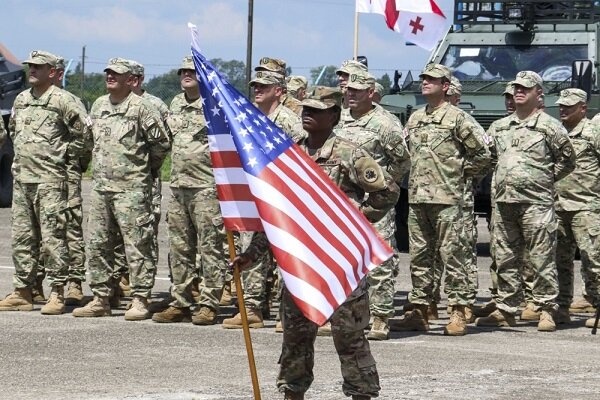
Iran's Foreign Ministry Spokesman Esmaeil Baghaei has warned US troops against committing war crimes, emphasizing that obedience to superior orders does not absolve individuals of responsibility for such crimes. He also reiterated that there is no statute of limitations for such offenses and that service members have both a legal and moral duty to refuse manifestly unlawful orders.
Iran's Foreign Ministry Spokesman Esmaeil Baghaei is warning US troops not to commit war crimes. He says that even if they're told to do something bad, they shouldn't do it because it's against the law and against being a good person. It's like if you were told to do something mean to your friend, you wouldn't do it because it's not right.
Analysis
Iran's Stance on War Crimes
Iran's Foreign Ministry Spokesman Esmaeil Baghaei has taken a strong stance against war crimes, calling on US troops to disobey unlawful orders and refrain from committing such crimes. This move is significant because it highlights Iran's commitment to upholding international humanitarian law and human ethics and civilization.
The Importance of Obedience to Orders
Baghaei emphasized that obedience to superior orders does not absolve individuals of responsibility for war crimes. This is a crucial point because it underscores the importance of individual responsibility in the face of orders that may be unlawful or unethical.
No Statute of Limitations for War Crimes
Baghaei also reiterated that there is no statute of limitations for war crimes. This means that individuals who commit such crimes can be held accountable at any time, regardless of how much time has passed since the crime was committed.
Service Members' Duty to Refuse Unlawful Orders
Baghaei emphasized that service members have both a legal and moral duty to refuse manifestly unlawful orders. This is a critical point because it highlights the importance of upholding the law and upholding human ethics and civilization, even in the face of orders that may be unlawful or unethical.
Key points
- Iran's Foreign Ministry Spokesman Esmaeil Baghaei has warned US troops against committing war crimes.
- Obedience to superior orders does not absolve individuals of responsibility for war crimes.
- There is no statute of limitations for war crimes.
- Service members have both a legal and moral duty to refuse manifestly unlawful orders.
If this development plays out positively, it could lead to a decrease in war crimes committed by US troops in Iran. This would be a positive development because it would uphold international humanitarian law and human ethics and civilization.
If this development fails to play out positively, it could lead to an increase in war crimes committed by US troops in Iran. This would be a negative development because it would undermine international humanitarian law and human ethics and civilization.