US House votes to curb Trump's war powers on Iran; Senate rejects similar measure
The US House passed a war-powers resolution 214-208 seeking to limit President Trump's authority to wage war with Iran without congressional approval, but the Senate failed to advance a parallel measure.
Intelligence analysis by Llama
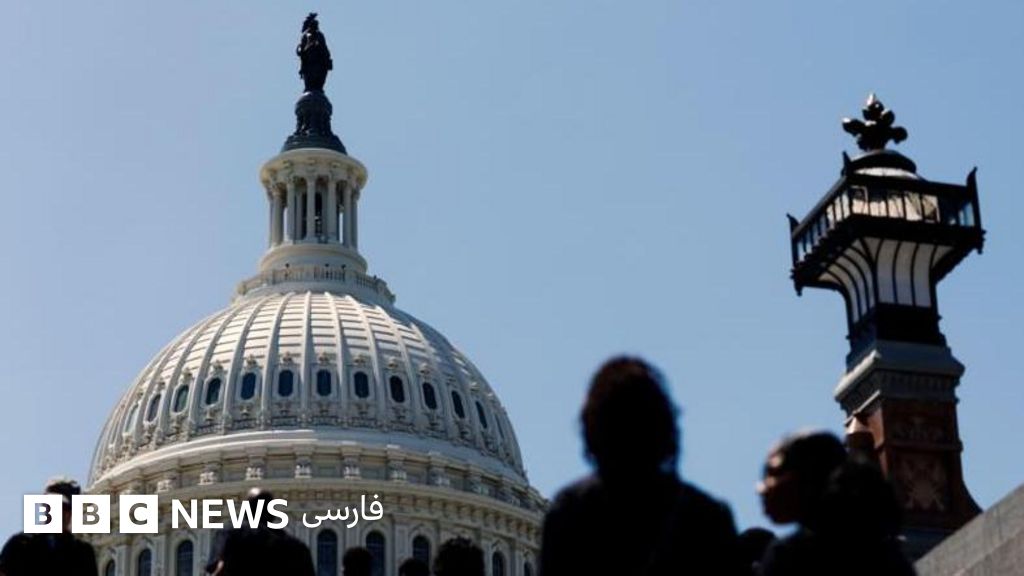
The US House voted to curtail President Trump's war powers regarding Iran, but the Senate rejected a companion resolution by a two-vote margin after three key supporters were absent, leaving Trump's authority intact.
Imagine one group of kids told another kid to stop a big fight without asking the teacher. Most of that group agreed, but the other group didn't show up to vote, so nothing changed and the fight continues. That's basically what happened when US lawmakers tried to limit the president's power over the war with Iran.
Analysis
A House Rebuke, A Senate Stumble
The US House of Representatives delivered a notable rebuke to President Trump's military campaign against Iran, passing a war-powers resolution 214-208. Four Republicans broke ranks to join Democrats, reflecting bipartisan discomfort with an operation that, according to other BBC reporting referenced in the article, has now stretched into at least 13 consecutive nights of strikes. The resolution demands that Trump withdraw US armed forces from hostilities with Iran unless Congress formally declares war or authorizes the use of military force.
However, the practical weight of the House vote is undermined by the Senate's parallel failure. A companion resolution was rejected by a two-vote margin after three senators who had previously supported war-powers curbs were absent, a procedural loss that effectively sank the effort. The Senate's Republican leadership has shown little appetite for handcuffing a president conducting active operations, even as the body passed a softer, non-binding version of the same request several weeks earlier.
The Limits of Symbolic Warfare
Legal scholars and members of Congress remain divided on whether these resolutions carry any enforceable force. Some view them as political theater, given that even a successful bicameral passage would not legally compel the administration to halt operations. Others, particularly Democratic members, argue the resolutions would have been legally binding had they cleared both chambers, since no US court has struck down a war-powers restriction of this kind, according to the article.
Trump himself dismissed the effort in combative terms. On Truth Social, he wrote that the Senate's vote was 'untimely and meaningless' and accused lawmakers of making his job harder while claiming he has Iran 'tied up, ready to fall.' The exchange underscores how the war-powers debate has become a partisan cudgel rather than a substantive constraint on executive authority, with the president treating congressional pushback as political interference rather than constitutional friction.
What Comes Next for the Campaign
With the Senate unable to advance the measure, the administration retains full operational latitude in Iran. The House's second attempt this year, following an earlier 215-208 vote in early June, signals persistent legislative dissatisfaction but stops short of producing a binding outcome. For now, Trump's Iran strategy proceeds without statutory constraint, while Congress continues to register its objections through symbolic votes that carry political weight but no legal teeth. The repeated pattern of House passage and Senate failure suggests the legislative branch is unlikely to derail the campaign through this mechanism, leaving any shift in policy to changes in battlefield conditions or public opinion.
Key points
- US House passed war-powers resolution 214-208, with four Republicans joining Democrats
- Senate rejected companion resolution by two votes after three key supporters were absent
- Resolution is largely symbolic and would not legally compel the war's end even if both chambers passed it
- This is the House's second attempt this year to limit Trump's Iran war authority, following a similar June vote
- Trump dismissed the effort as 'untimely and meaningless' on Truth Social
If congressional pressure continues to build and the Senate eventually clears a binding resolution, it could force de-escalation and reopen diplomatic channels with Iran.
The Senate's failure leaves Trump with unrestricted authority to continue strikes, risking further escalation, regional spillover, and mounting casualties without meaningful legislative oversight.