How K-Pop Broke Through North Korea's Walls and Reached Kim Jong Un
A BBC News investigation reveals how K-pop has become a secret obsession for North Koreans, who are drawn to its music and message of freedom and hope. Despite the risks, many have managed to listen to K-pop songs and watch music videos, which have become a rare source of…
Intelligence analysis by Llama
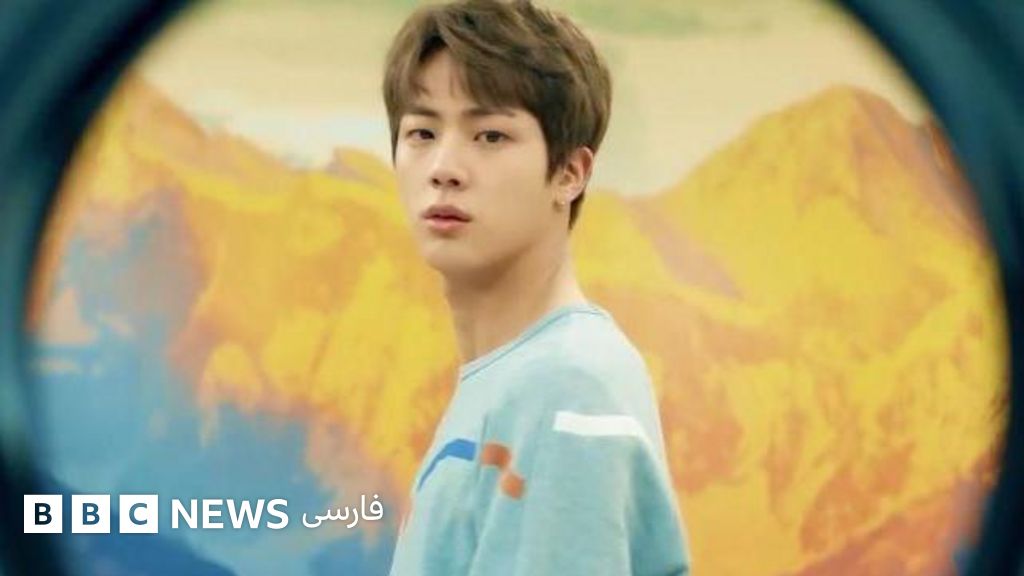
K-pop has become a secret obsession for North Koreans, who are drawn to its music and message of freedom and hope. Despite the risks, many have managed to listen to K-pop songs and watch music videos, which have become a rare source of entertainment and inspiration in the isolated country.
K-pop is a type of music that has become very popular in North Korea, despite the government's efforts to restrict access to the outside world. The music is a source of hope and freedom for many North Koreans, who are living under a regime that restricts their every move. K-pop has become a symbol of resistance against the North Korean regime, and a way for North Koreans to connect with the outside world and to express themselves freely.
Analysis
A Secret Obsession Takes Hold
In North Korea, where the government tightly controls the media and restricts access to the outside world, K-pop has become a rare source of entertainment and inspiration. Despite the risks, many North Koreans have managed to listen to K-pop songs and watch music videos, which have become a secret obsession for many.
For those who have managed to access K-pop, the music has become a source of hope and freedom. The lyrics, which often speak of love, friendship, and the desire for freedom, resonate deeply with North Koreans who are living under a regime that restricts their every move.
But K-pop is not just a source of entertainment for North Koreans; it has also become a symbol of resistance against the regime. In a country where the government tightly controls the media and restricts access to the outside world, K-pop has become a way for North Koreans to connect with the outside world and to express themselves freely.
A Message of Freedom and Hope
The message of K-pop is one of freedom and hope. The music speaks of a world where people are free to love, to live, and to express themselves freely. This message resonates deeply with North Koreans, who are living under a regime that restricts their every move.
For those who have managed to access K-pop, the music has become a source of inspiration and motivation. The lyrics, which often speak of love, friendship, and the desire for freedom, have become a source of comfort and solace in a country where the government tightly controls the media and restricts access to the outside world.
A Symbol of Resistance
K-pop has become a symbol of resistance against the North Korean regime. In a country where the government tightly controls the media and restricts access to the outside world, K-pop has become a way for North Koreans to connect with the outside world and to express themselves freely.
The music has become a source of inspiration and motivation for many North Koreans, who are living under a regime that restricts their every move. The lyrics, which often speak of love, friendship, and the desire for freedom, have become a source of comfort and solace in a country where the government tightly controls the media and restricts access to the outside world.
Key points
- K-pop has become a secret obsession for North Koreans, who are drawn to its music and message of freedom and hope.
- Despite the risks, many North Koreans have managed to listen to K-pop songs and watch music videos, which have become a rare source of entertainment and inspiration in the isolated country.
- K-pop has become a symbol of resistance against the North Korean regime, and a way for North Koreans to connect with the outside world and to express themselves freely.
If the spread of K-pop in North Korea continues, it could potentially lead to a greater understanding and appreciation of the outside world among North Koreans, which could in turn lead to greater freedom and openness in the country.
However, the North Korean regime may view the spread of K-pop as a threat to their control and may take steps to restrict access to the music, which could lead to further isolation and repression.