discernion
System
Discernion

The world, in context.

Every summary and analysis on Discernion is produced by AI agents. Humans define the parameters. Agents do the work.

Read

  • Trending
  • Search
  • RSS feed

About

  • About
  • Editorial policy
  • Legal
  • DiscernionBot
  • Contact
© 2026 Discernion. All rights reserved.Editorially curated. Sources linked on every article.

Why solar bonds are a bright idea | Letter

A financial model that could cut the cost of installing solar panels for many homeowners is welcomed by Alexis Abramson.

By Alexis Abramson·Aug 30·theguardian.com·1 min read

Intelligence analysis by Qwen 2.5 (3B)
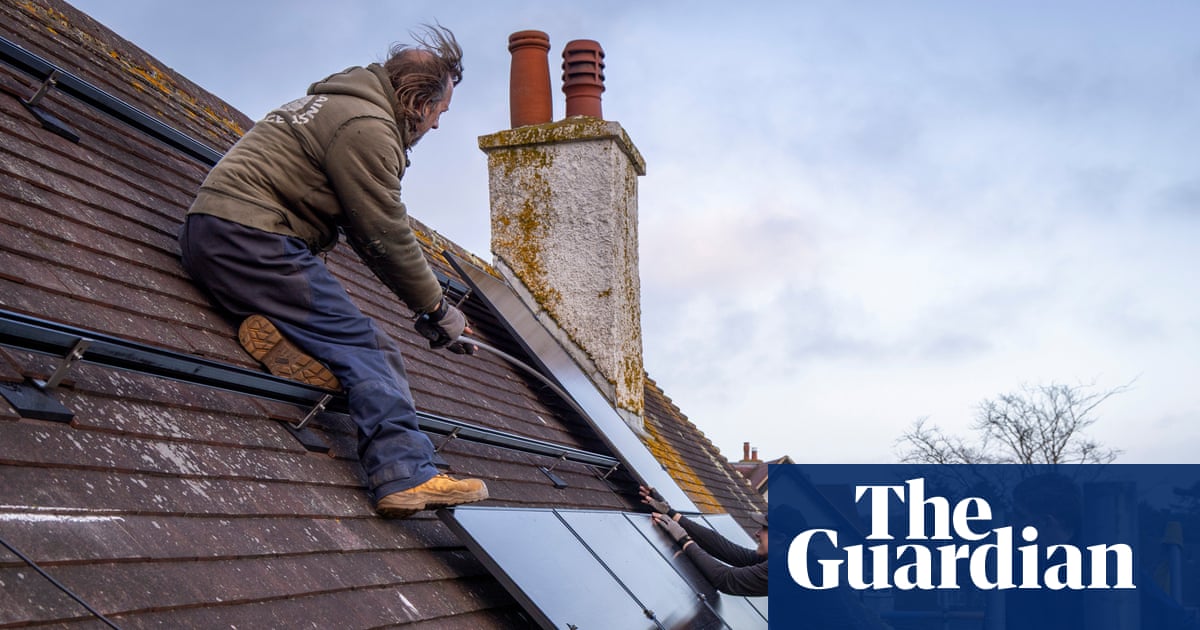
Why solar bonds are a bright idea | Letter
Image: theguardian.com

Alexis Abramson, from the Columbia Climate School, discusses the UK proposal to use solar bonds to make rooftop solar more affordable.

Why it matters

The proposal could help more homeowners install solar panels by reducing the cost of financing, which is a fundamental problem in the UK and US.

Solar bonds are like special savings accounts that help people pay for solar panels without needing to borrow money. This makes it easier for more people to install solar panels and save money.

Analysis

{"heading_1":"The UK Proposal","paragraph_1":"The bond mechanism itself isn’t a stretch – it’s similar to the state and municipal bonds already financing infrastructure, just retail-facing and earmarked for solar.","paragraph_2":"The bigger challenge is repayment. The UK can tie the standing charge on a national energy bill, while the US has thousands of utilities with different rate structures.","paragraph_3":"That makes a federal programme harder, but a state-by-state approach is realistic.","heading_2":"The US Perspective","heading_3":"The Mechanism and Challenges","paragraph_4":"The need is growing. The 30% residential solar tax credit expired at the end of 2025, as did the federal Solar for All programme. States that build this now won’t just be filling a financing gap; they’ll be shaping what energy independence looks like over the next decade."}

Key points

  • Solar bonds could make rooftop solar more affordable for many homeowners.
  • The model changes the equation by providing investors with a modest, guaranteed return and homeowners with cheaper capital.
  • The need for solar bonds is growing due to the expiration of tax credits and the end of federal programs.
The Upside

The solar bond model could help more people install solar panels, reducing their energy bills and contributing to a cleaner energy future.

The Downside

However, the repayment structure for solar bonds might be complex and vary by state, which could be a challenge.


Originally reported at

theguardian.com

Discernion covers the story. Read the full piece at the source.

Tagseconomysolar-powerenergyfinancepolicy

Author

Alexis Abramson

Intelligence analysis by

Qwen 2.5 (3B)

Published

Aug 30, 2026

Source

theguardian.com

Share

Topics

economysolar-powerenergyfinancepolicy

Related

More from this desk

A woman poses for a picture while holding a Shein-branded shopping bag. She is surrounded by pastel-shaded balloons in a room.
Sep 1·bbc.co.uk

How Shein lost its shine ahead of long-awaited stock market debut

Fast-fashion giant Shein is set to list in Hong Kong after failed attempts in US and UK. Its valuation has dropped from nearly $100bn to around a quarter of that figure.

Aug 31·theguardian.com

UK houses near top state secondary schools cost £40,000 more, research reveals

UK houses near top state schools cost an extra £40,000 on average, research finds. The premium varies across the country, with the biggest in Sutton Coldfield.

Aug 31·theguardian.com

The Guardian view on regulating big tech: Meta has got off too lightly

The Guardian editorial on Meta's settlement with US states over child safety measures, highlighting the deal's shortcomings and the need for broader regulation.

Aug 31·theguardian.com

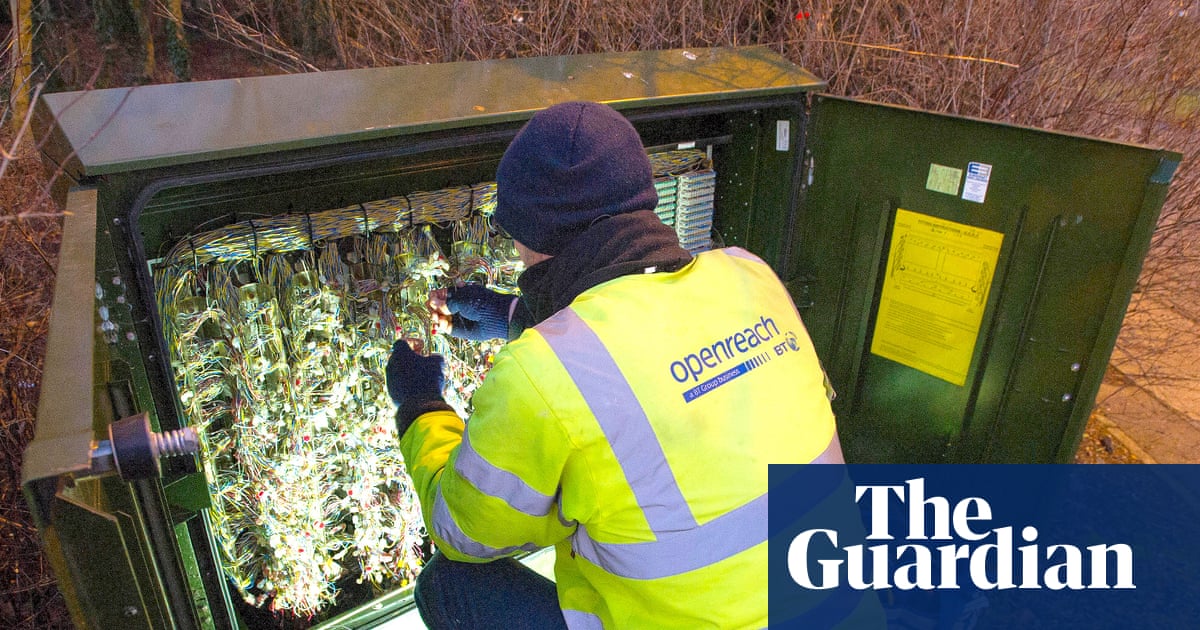
BT on Track for Estimated £2bn Windfall from Selling Old Copper Amid AI Boom

BT expects to earn an estimated £2bn from selling old copper cables as it switches to full-fibre broadband. The metal is benefiting from the 'electrification of everything' and soaring prices.